

Samsung and SK hynix plan $520B in new South Korea chip plants to meet AI strain
Two fabrication plants each in the southwest signal a capacity crunch is forcing billion-dollar expansion now, not later.

Samsung and SK hynix are building a combined $520 billion worth of new chip fabrication plants in South Korea. For decision-makers, that scale is a direct signal that AI-driven demand is tightening global supply and resetting investment timelines.
Samsung and SK hynix are building $520 billion worth of new chip plants in South Korea, each company planning two new fabrication plants in the country’s southwest. The move is a straightforward response to a complex problem: AI demand is straining existing chipmaking capacity, and the fastest way to relieve pressure is to add more factories where the ecosystem already exists.
In other words, this is not a “watch and wait” expansion. Each company’s decision to add two fabrication plants in the same broad region shows a shared industry diagnosis. When demand grows faster than tools, clean-room space, power availability, skilled labor, and supplier capacity can keep up, the bottleneck stops being “sales” and starts being “manufacturing.” The $520 billion figure is the industry’s acknowledgement that the constraint is physical, not theoretical.
To understand why executives should care, zoom out for a minute on how memory and logic supply often behave during AI upcycles. Semiconductor demand linked to AI is not just a steady line; it can surge based on product cycles, data center spending, and procurement strategies. That means even when companies ramp aggressively, they can still face a mismatch between what customers want and what fabs can produce on the timelines that matter. Capacity additions are expensive and slow by nature. So when two of the biggest players simultaneously greenlight expansion on the scale described, it implies they believe the demand pressure is not a short-lived dip.
There is also an industrial policy angle. South Korea has spent years positioning itself as a core node in global chip supply chains. Building multiple new fabrication plants in the southwest reinforces that strategy, but it also makes the region even more important for downstream industries like electronics, networking, and cloud infrastructure. In practice, the more production concentrates in one geography, the more other governments and companies treat that region as both a strategic partner and a strategic risk. For executives outside South Korea, it can mean planning around longer lead times and tighter allocation rules during buildout phases.
For boards and senior finance leaders, the second-order implication is capital intensity and timing risk. A $520 billion expansion is the kind of commitment that shapes balance sheets, depreciation schedules, and long-term free cash flow profiles. It also affects how companies structure financing, manage vendor commitments, and align capex with technology roadmaps. In a normal environment, executives debate whether to fund expansion, diversify, or prioritize near-term cash generation. In a capacity crunch driven by AI demand, that debate can shift from “whether” to “how fast” and “how efficiently,” because missed capacity windows can be hard to recover.
There is another dynamic executives should watch: competitive signaling. When Samsung and SK hynix each commit to two new fabrication plants in the same general part of the country, competitors and customers infer pricing and supply posture. Customers that worry about shortage tend to lock in relationships. Competitors tend to recalibrate their own capex plans, workforce strategies, and supply agreements. Even without any explicit statements in this report, the combined scale of the project functions like a message to the market: the industry is preparing for a longer period of high utilization.
Finally, the strategic stake for any decision-maker in chips adjacent to this story is that capacity expansions take time to turn into output, and the market does not wait. During buildout, the gap between demand and supply can remain, especially for products tied to AI systems. If you are running procurement, manufacturing, or product roadmaps, this kind of capex announcement is a calendar event. It affects when downstream availability improves, when pricing pressures ease, and how quickly customers can translate “AI demand” into actual shipments of devices and infrastructure.
This story's Key Insights and Take-aways are locked.
Create a free account to unlock Executive Actions for one credit.
Register to UnlockAlways free for Executives Club members. Join the Club
More in Business
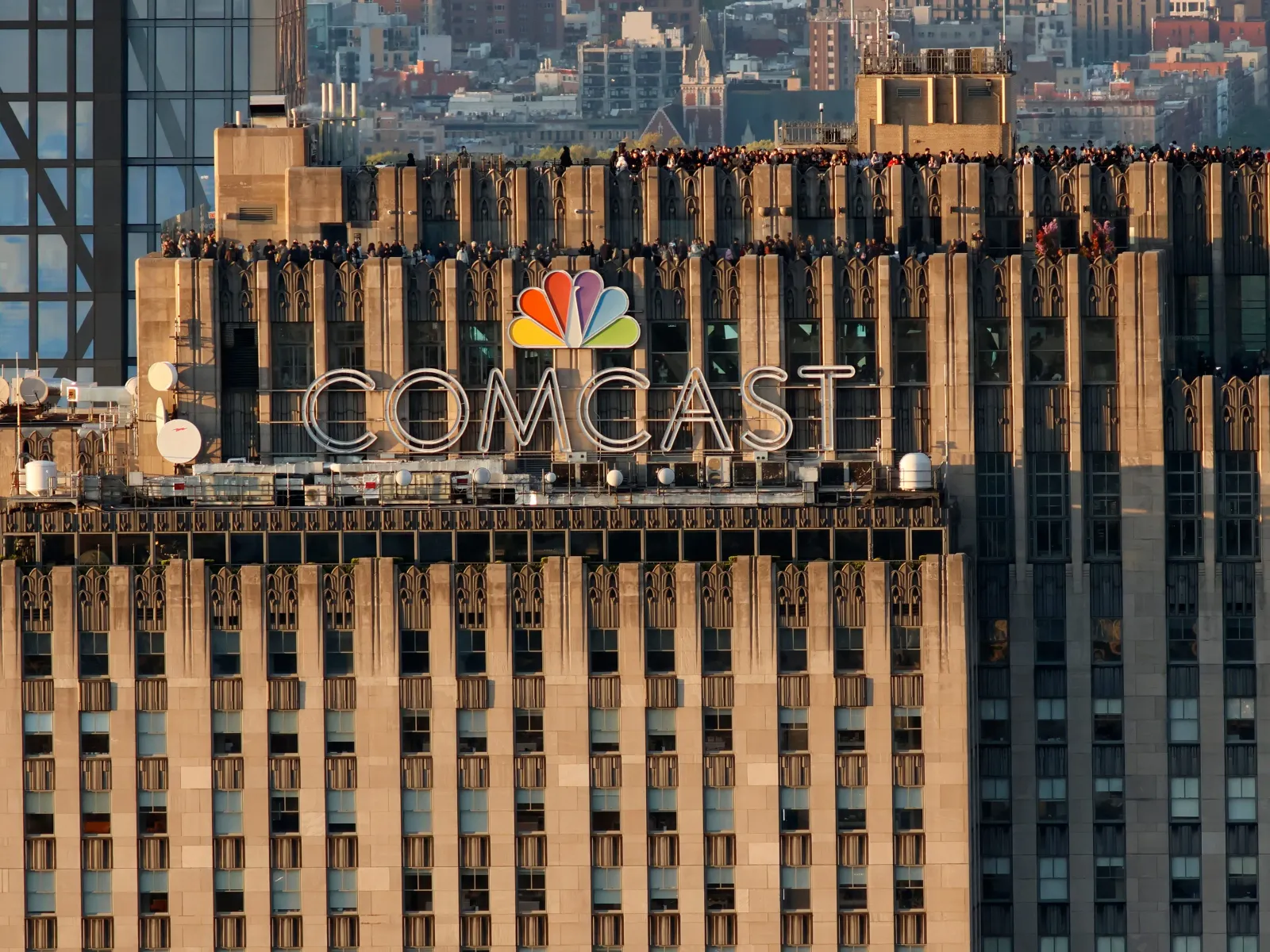
Comcast shares jump 25% as it plans to split NBCUniversal and Sky
The tax-free spin-off could reshape focus, funding, and competition across media and tech for years.

Bungie cuts most Destiny 2 staff as Sony says Marathon still matters
Herman Hulst confirms layoffs affecting most Destiny and some Marathon teams after Bungie admits Destiny fell short.

SK Hynix jumps 11% after seeking up to $29.4B in Nasdaq listing
The chip giant filed for a Nasdaq listing plan that could raise $29.4 billion, instantly reshaping investor expectations.