
Samsung’s Frame Pro 2026 adds AI tuning and anti-glare, making the premium wall feel smarter
New AI audio and picture tuning plus a refreshed anti-glare coating justify the price for image-first buyers.
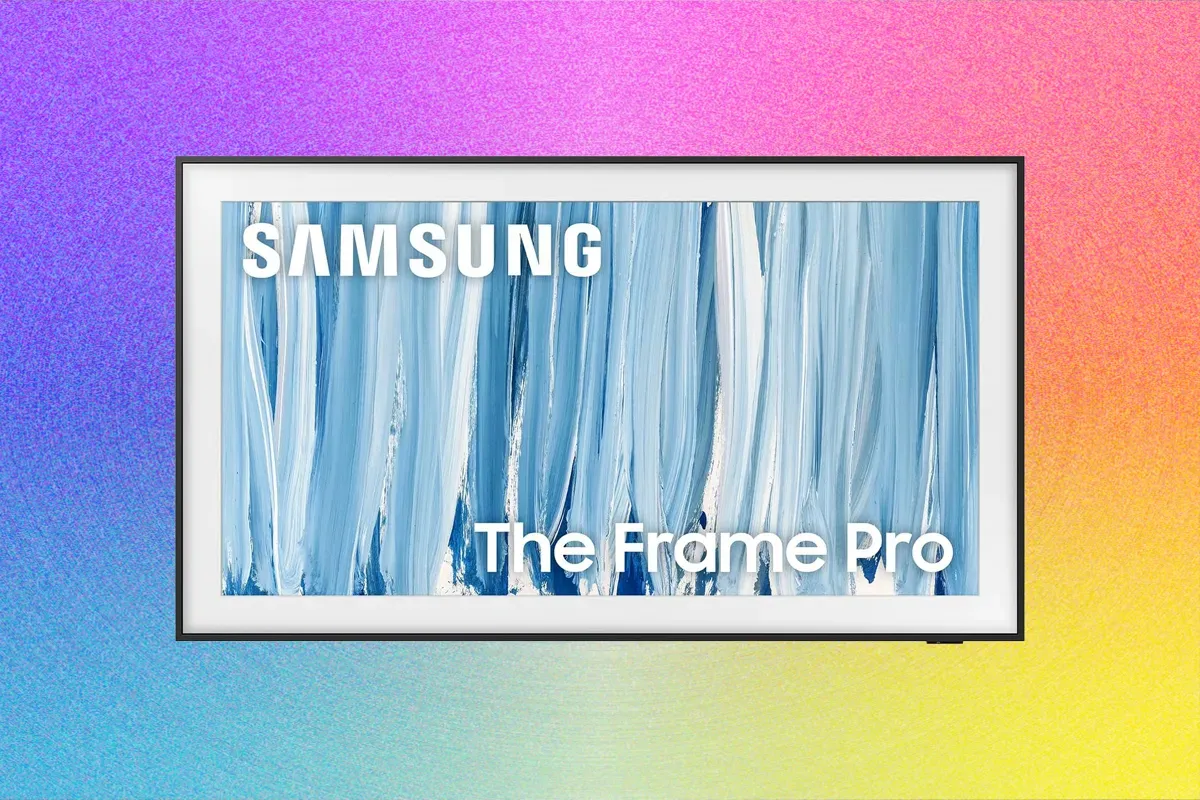
Samsung updates its Frame Pro 2026 with meaningful tweaks, led by AI audio and picture tuning and a new anti-glare coating. For decision-makers, it signals where consumer display upgrades are headed: less “more pixels,” more “better perception.”
Samsung’s Frame Pro 2026 is a premium TV that leans into an unusually specific promise: not just better image quality, but better how-you-see-it quality. WIRED’s review credits “AI audio and picture tuning” working together, plus a “new anti-glare coating” that aims to reduce the visual penalty of ambient light.
In other words, the headline value here is practical. The Frame Pro 2026’s upgrades are not purely about raw specs or performance bragging rights. They are about tuning and presentation, with AI adjustments and an anti-glare layer teaming up to preserve what the screen is trying to do in real rooms, not showroom lighting. That combination is exactly why this set reads as “pricey but worth it” in the review framing.
To understand why this matters, it helps to zoom out to how display categories compete. TVs have been in a long arms race: higher resolution, brighter panels, more aggressive HDR. But for buyers who treat the screen like decor, the story is different. A TV can have perfect contrast on paper and still look wrong when reflections wash out the image or when audio and video feel uncoordinated. In that setting, perception becomes the product. The Frame Pro line is built around that reality: it sells a wall experience, not only a viewing experience.
The WIRED summary points to two levers Samsung is using to attack that perception gap. First, AI audio and picture tuning. The basic idea is straightforward: the set tries to adapt its visuals and sound for what you are actually watching, rather than forcing you to manually chase the best mode. Second, the new anti-glare coating. That is the kind of upgrade that often sounds minor until you live with a glossy panel. Reflections can be the difference between “art on the wall” and “window with a TV inside it.” Here, Samsung is tackling that directly with a coating change.
This is also a signal about where consumer tech value is migrating. Historically, many upgrades were measurable: brightness, latency, resolution. But in the premium end, the differentiators increasingly live at the edges of the experience. AI tuning is one of those edges, because it can improve results without the buyer noticing a single benchmark moving. The anti-glare coating is another edge, because it can change “how good it looks” in a way benchmarks do not fully capture.
There is a second-order business implication in that shift. If AI-driven tuning and coating updates move the needle more than another spec bump, product roadmaps become less about raw hardware changes and more about software calibration, tuning logic, and sensor-driven adaptation. That can shorten or lengthen timelines depending on how quickly an AI tuning pipeline can be refined and validated across content types and room conditions. It also affects support expectations: if the system learns from usage patterns or refines how it applies tuning, the set becomes part of an ongoing experience rather than a one-and-done purchase.
On the governance side, executives and boards tracking consumer electronics should also notice how quickly “experience quality” is becoming a competitive battleground that is not always obvious from the outside. A coating change sounds like a manufacturing detail. AI audio and picture tuning sounds like a marketing feature. But together, they define the core reason someone pays more. That means brand trust and post-purchase satisfaction can hinge on whether the tuning and anti-glare approach performs consistently across the messiness of real homes: lamps, daylight, and the inevitable reality that rooms are never calibrated to a lab.
For peers building or investing in premium consumer hardware, the strategic takeaway is clear. Samsung’s Frame Pro 2026 is positioning itself where buyers are most sensitive to disappointment: “Will it look right when I live with it?” AI audio and picture tuning plus a new anti-glare coating are the answer the review points to. If Samsung can make the wall experience feel reliably better, the premium price stops being a leap of faith and starts being a justified trade.
This story's Key Insights and Take-aways are locked.
Create a free account to unlock Executive Actions for one credit.
Register to UnlockAlways free for Executives Club members. Join the Club
More in Technology

Nvidia's $89B data center quarter: the 9 companies cashing in
The AI buildout is minting fortunes beyond GPUs, and memory, cloud, and cooling suppliers are riding the same wave.

Google quietly links your phone number to every Android account on your SIM
Adding a SIM now ties your phone number to all Google accounts - and future accounts inherit it. Here's the security and privacy stakes.

Hijacker AI 'Skynet mode' runs 100,000 attack steps against exposed models
Symantec caught a criminal AI agent that borrows other models, steals data, and mines crypto; the only relief is no confirmed victims yet.