
Sandoz CEO Richard Saynor: 70% of Europe’s drugs are generic, but resilience gets no margin
If most medicines rely on imports and thin payers, Europe has to choose: keep squeezing prices or fund supply security.
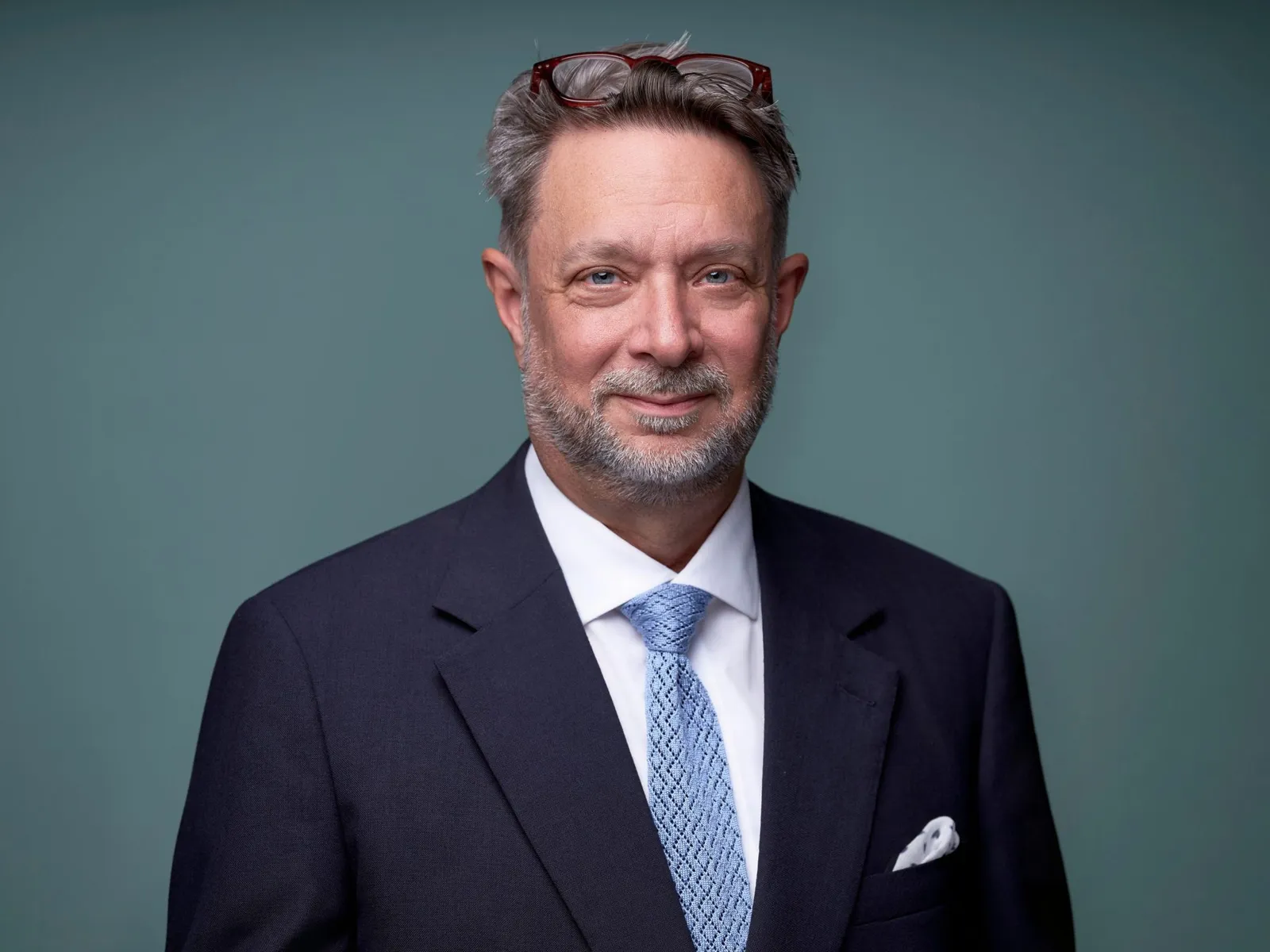
Richard Saynor, CEO of Sandoz Group, says Europe’s drug supply chains were optimized for cost, and that makes resilience investments fail to win in markets. He argues incentives must change, or Europe risks not being able to guarantee supply of critical medicines.
Richard Saynor, CEO of Sandoz Group, puts the math on the table: roughly 70% of the drugs used across Europe are generic and biosimilar, and they cost between 10% and 20% of the total drug bill. That combination makes Europe look efficient on price, until you zoom out. Saynor’s core point is blunt: without generic companies, there is no healthcare in Europe, yet the complex supply chain behind those drugs is not built or funded for shocks.
Why? Because, according to Saynor, very few of the non-biologic complex drugs are made in Europe. Almost all key starting materials are imported either from China or India. And almost none are manufactured in Europe because payers have chased “margin pricing down to the bottom.” So the market keeps rewarding cost minimization while drifting away from sustainability and security. Saynor frames it as a value mismatch: people pursued lower costs and “forgot the value of sustainability and security.”
This is not a theoretical worry, he says. The COVID pandemic exposed vulnerabilities in supply chains that only become obvious when they are tested. Yet there is a twist in his telling: COVID also showed that regulators and industry can move fast when there is urgency. During the pandemic, Sandoz manufactured hydroxychloroquine, and for about three weeks it was thought to be a cure for COVID, though it is no longer recommended to prevent COVID-19 by the World Health Organization. Saynor says the company manufactured around 50-100 million packs and got them into 35-40 markets within a very short period, because “all the regulators waived a lot of their usual requirements.”
That last detail matters for Europe’s current debate. If governments and regulators can loosen constraints during a crisis, then there are mechanisms to speed up supply and approvals when resilience becomes the priority. Saynor says he is “encouraged, but not relieved” by the current shift in the regulatory conversation, and points to the EU Critical Medicines Act as potentially changing the regulatory environment again. In other words, the policy lever is already being pulled. The question is whether the lever will be matched by economics, so resilient capacity actually gets built and maintained, not just authorized after the damage is done.
But Saynor also highlights why coordination is so hard. He describes a pattern where each government wants to be seen protecting its patents and international interests instead of acting collectively in the interests of a European supply framework. Ironically, in his experience, it could be more difficult to move products from Italy to Austria than from India into Europe, because of those competing priorities. During COVID, he saw national interests put ahead of regional interests, yet still found a way to deliver a product across multiple markets through fast action and regulatory waivers. That contradiction is the real challenge for executives: crisis performance does not automatically become peacetime planning.
Then comes the uncomfortable part for boards and finance teams: reshoring everything is not just hard, it is “completely unrealistic,” in his view. The reason is economics. People will build infrastructure and manufacture raw materials in Europe if there is an economic environment that rewards it. If there isn't, there is no incentive. Saynor ties this directly to fiduciary reality: he says his board would not let him deploy that kind of capital if he cannot show a sensible return, and he would not be in his job for very long without results. That is not an argument against resilience. It is an argument about why policy must change the returns profile for the capital-intensive parts of supply chains.
He also points to near-term cost pressure. He expects an inflationary shock over the next six months to a year across multiple industries, with higher costs of materials, fuel, and interest rates. That means the cost of business goes up, and “those costs will have to get passed on to customers.” The downstream effect is straightforward and serious: medicines across the board will get more expensive. In this environment, Europe’s resilience question becomes even sharper. Europe is “fantastic at legislating,” Saynor says, but it does not always consider all the implications. If governments and payers keep squeezing prices while regulators push for resilience, companies may be unable to justify long-term investments.
For executives, the stakes are not abstract. Saynor warns Europe could enter a world where security of supply of critical medicines cannot be guaranteed because the economic incentives for long-term capital investments are not there. He adds a demographic backdrop: Europe is getting older, getting sicker, and “like it or not, it's getting poorer.” He argues that without a healthy society, everything else crumbles. And to make the point tangible, he cites penicillin as a drug that is estimated to have saved more lives than any other drug, making infections that would have been fatal 80 years ago treatable, and enabling many operations with lower infection risk. Yet he contrasts that life-saving impact with how medicines are often sold more cheaply today than a Mars bar or a packet of chewing gum.
So what should peers take from this? Saynor is effectively saying that resilience is a business model problem disguised as a manufacturing problem. The COVID era proved that speed is possible when rules loosen and urgency rises. Now Europe needs to translate that capacity to act into a stable framework where margins, incentives, and regulatory expectations support the long-term investments required for critical medicines. Otherwise, the same supply chain vulnerabilities will remain, just waiting for the next stress test.
This story's Key Insights and Take-aways are locked.
Create a free account to unlock Executive Actions for one credit.
Register to UnlockAlways free for Executives Club members. Join the Club
More in Business

Uber buys Delivery Hero for nearly $15B, vaulting to top food delivery outside China
The deal doubles Uber's dual-services footprint and pushes a ride-and-eats bundling play into 50 more markets.

Epic and Google drop settlement bid, forcing rival Android app stores by July 22
Google told the court it is ready to carry third-party app stores starting Wednesday, July 22.
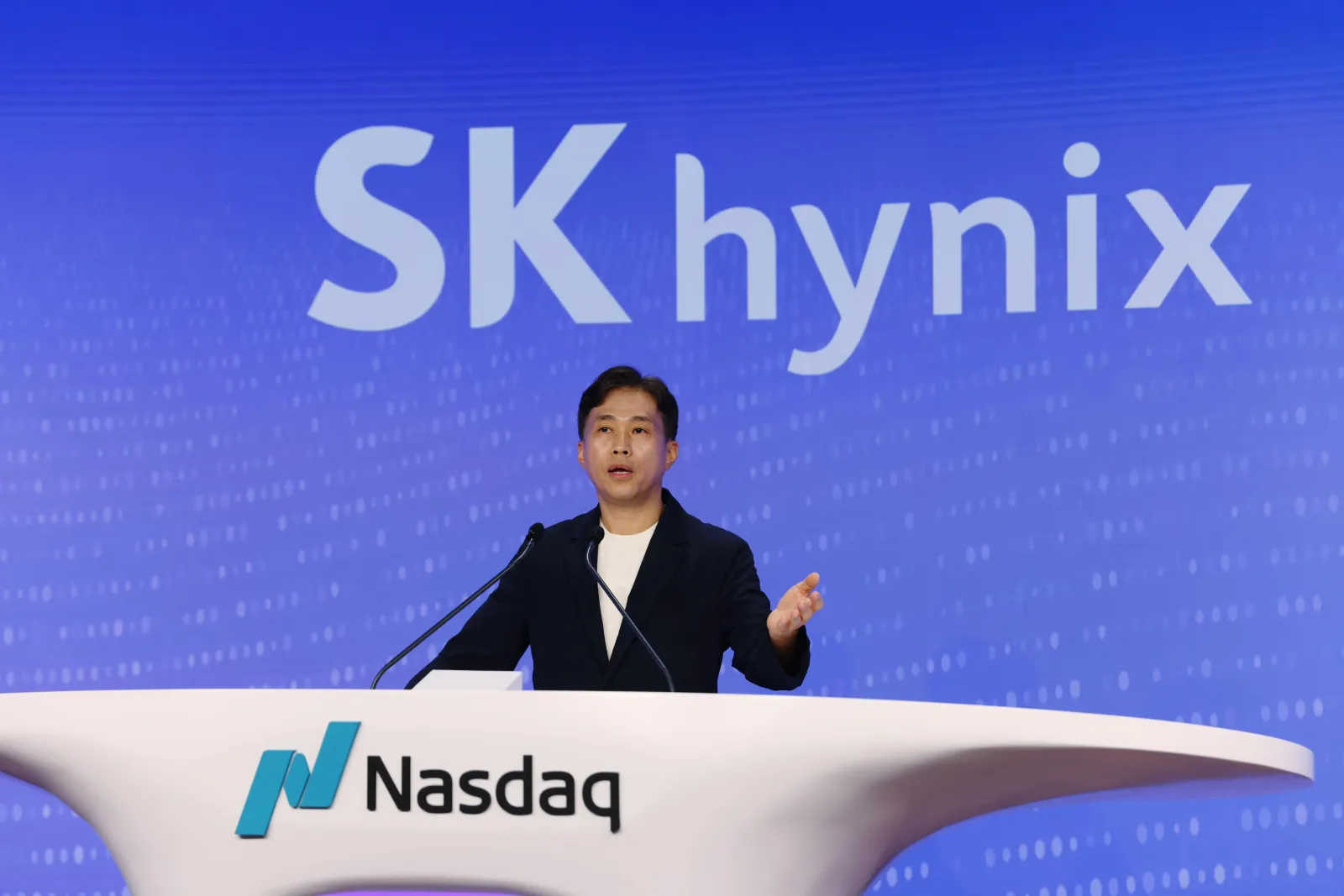
SK Hynix opens at $170, raises $26.5B, and tops foreign IPO records
In Friday's Wall Street debut, SK Hynix turns AI RAM demand into a $26.5B fundraising moment that rewrites comps.