
Saudi construction awards hit a 2026 high of $7.99B in May
18 projects topped SR30.03B, led by Makkah and Aseer, with June pipeline and owners lining up.
Saudi Contractors Authority (SCA) reported that Saudi Arabia awarded its highest-value construction contracts of 2026 in May: 18 projects totaling more than SR30.03 billion ($7.99 billion). For decision-makers, the reported pipeline and sector outlook signal where near-term demand is likely concentrating.
Saudi Arabia’s construction market just flashed a pretty specific signal: in May 2026, it awarded 18 construction projects totaling more than SR30.03 billion, or $7.99 billion. That is the highest-value level of 2026 so far, according to Saudi Contractors Authority’s monthly sector report, which tracks projects listed on the SCAVO platform.
Why this matters for operators and investors is simple. When awards jump and the data is centralized in a platform like SCAVO, it changes how fast contractors can convert “opportunity hunting” into bid plans. It also gives boards a clearer view of which regions and segments are likely to pull budgets forward, rather than letting capital allocation guesswork drag on.
The May figures land alongside improving sentiment in the sector. The Al Rajhi Capital Saudi Construction Index, compiled by S&P Global, rose to 51.2 in May from 48.5 in April. Crossing the 50-point threshold is the line that separates expansion from contraction, and this was the index’s highest reading in three months. Still, the report notes growth remained softer than at the start of the year, which is a useful nuance if you are calibrating expectations for volume and pricing power.
SCA’s report also frames where the value is concentrating. It says the infrastructure sector is the highest both in financial value and in number of projects, with 10 projects exceeding SR25 billion. That is a big deal because “infrastructure-heavy” award patterns typically pull in different contracting capabilities, procurement timelines, and risk profiles compared with smaller building jobs. Segment mix also looks relatively balanced, with manufacturing and construction each accounting for 17 percent, and water and energy making up the remaining 11 percent.
Geographically, the project count is led by Makkah. Seven awards there represent 39 percent of the total May projects. On the value side, Aseer topped the table at over SR18 billion, followed by Riyadh at more than SR8 billion. The month’s largest single award was the Aseer-Jazan Expressway, valued at over SR18 billion and owned jointly by the Ministry of Transport, the National Center for Privatization & PPP, and the Aseer Region Development Authority. Other major contracts included the Sheikh Jaber Al-Ahmad Al-Sabah Road in Riyadh and the Khuzam-Nour Khuzam residential district, also in Riyadh.
If you are a contractor or an investor trying to stay ahead of the next wave, the “what’s next” section is where you should park your attention. SCA expects 20 projects to be awarded during June 2026. More than 47 percent of them are expected to be in the construction and building sector. The report also says half of these projects are expected to be concentrated in the Eastern Province and the Riyadh region. That concentration matters because it affects staffing needs, supply chain readiness, local subcontract ecosystems, and how quickly bids can be assembled and priced.
SCA also lists anticipated project owners, which helps decision-makers map the demand pipeline to likely sponsors and procurement routes. The owners include the Public Investment Fund, Al-Khafji Joint Operations, the Ministry of Environment, Water and Agriculture, Saudi Aramco, Baoshan Iron & Steel, and the Royal Saudi Land Forces. In practical terms, a diversified owner list can mean multiple procurement standards and different contracting cultures. For boards, it is also a reminder that pipeline visibility improves when you track not only volumes, but who is funding and structuring the work.
On the macro backdrop, SCA cites its own 2025 study projecting gross domestic product for the first quarter of 2026 between SR1.18 trillion and SR1.35 trillion. Within that, the non-oil sector contribution is projected between SR636 billion and SR746 billion, and the construction sector alone is expected to account between SR81 billion and SR106 billion. Separately, a GASTAT study published last month found that the Business Confidence Index in Saudi Arabia’s construction sector reached 55.7 in April, up 2.7 points from March, reflecting a positive outlook across key business indicators. Taken together, the award data, the index improvement, and the confidence uptick suggest the market is not just placing bets, it is showing up in signed work.
For executives in construction, materials, engineering services, and project finance, the strategic takeaway is straightforward: May’s SR30.03 billion award total is not an isolated headline. It ties into a broader setup where infrastructure remains the value engine, regional demand is skewing toward specific hubs, and June’s pipeline could reinforce the same story in the construction and building segment. If you are budgeting for revenue, capacity, or risk, the window to align bids with the highest-probability regions and sponsors is narrowing, not expanding.
This story's Key Insights and Take-aways are locked.
Create a free account to unlock Executive Actions for one credit.
Register to UnlockAlways free for Executives Club members. Join the Club
More in Business

A flaw in PHP just forced governments to pull their own sites offline
European agencies from Belgium to Germany took websites dark to patch a critical weakness in the language behind almost 70% of the web, and the blast radius extends far beyond government portals.

BioWare shuts down, Mass Effect 5 dead after $55B EA buyout
The legendary RPG studio's closure lands months after a $55 billion investment group buyout of EA, raising tough questions for gaming's biggest acquirers.
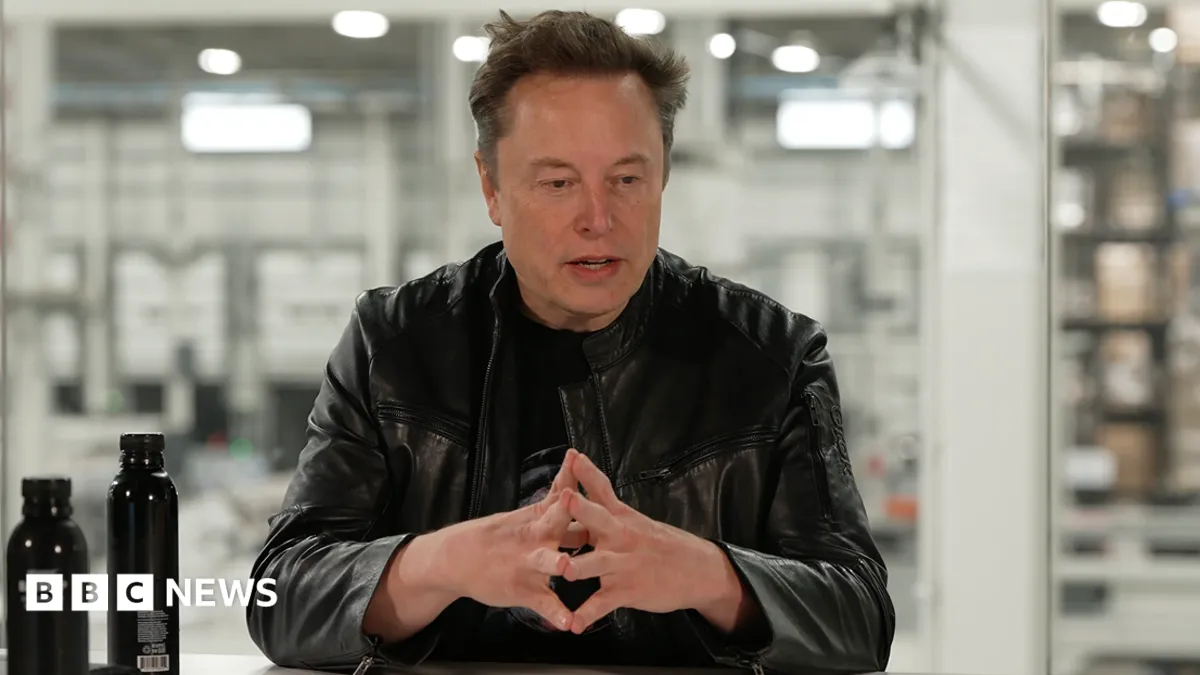
Musk weighs Tesla-SpaceX mega-merger as boards form review panels
Special committees at both companies will examine a tie-up that could fuse electric vehicles and space launch, forcing a fresh look at governance and valuation.