

Saudi World Cup 2034 may slide into 2035 as Ramadan, Olympics, and Hajj collide
FIFA’s Saudi scheduling squeeze is real: winter is possible, but calendar constraints could force an early 2035 kickoff.
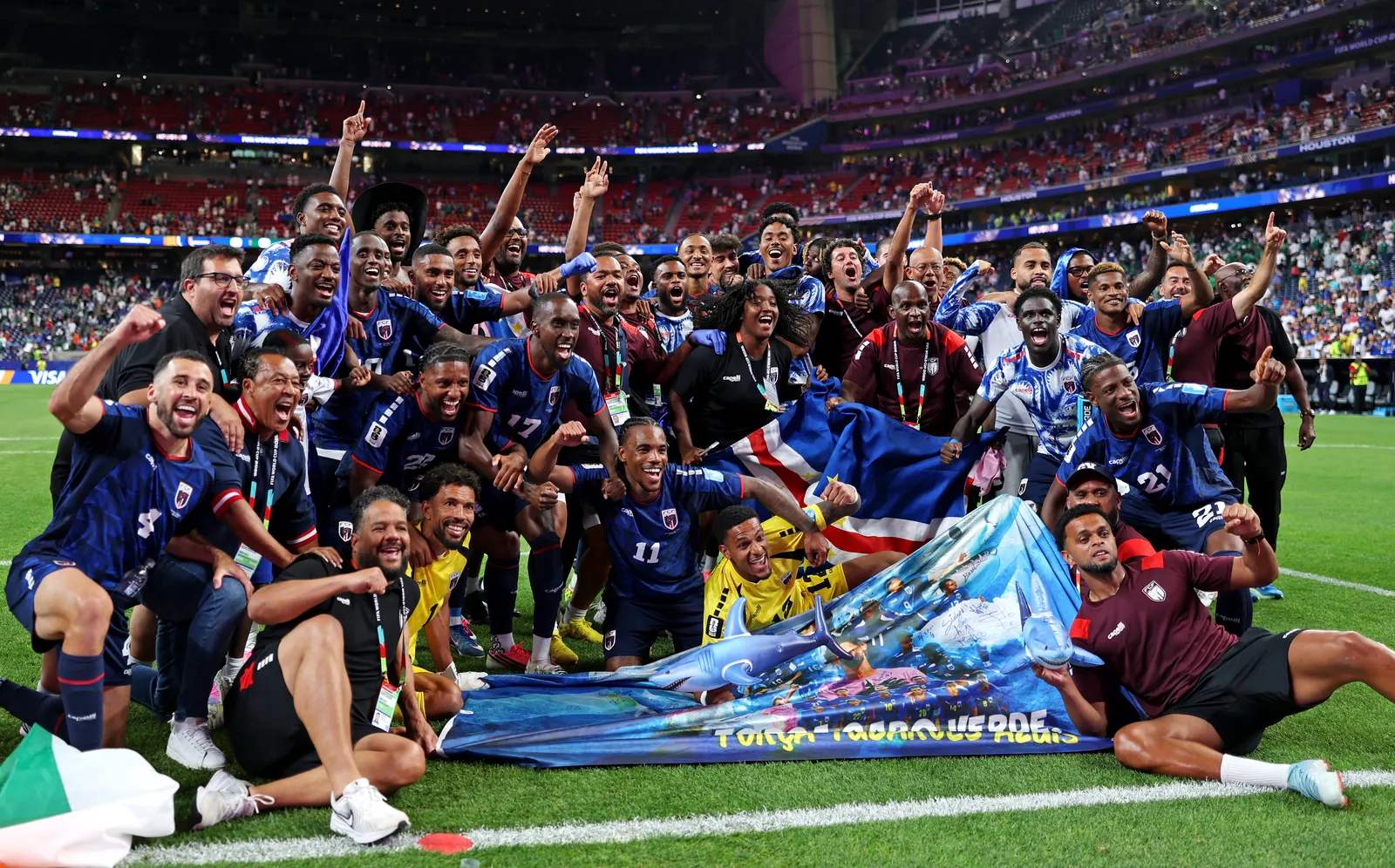
FIFA’s Saudi Arabia World Cup plans for 2034 face a tight timing bind because Ramadan, Salt Lake City’s Winter Olympics, and Hajj do not flex with FIFA’s usual calendar logic. For decision-makers, the consequence is simple: the 2022 winter precedent may not stay a one-off, and future tournament planning will need new rules for “fixed” dates.
Saudi Arabia’s World Cup in 2034 may not be a 2034 World Cup at all. Ramadan is slated to fall around Nov. 12 through Dec. 12, which sits in the same late-year window that Qatar used for its first-ever winter World Cup in 2022. FIFA has switched to winter before to avoid intense summer heat, but the Saudi calendar problem is not just “warm months versus cold months.” It is the interaction of religious timing with a crowded global event schedule.
The calendar math points to a plausible, but politically and commercially awkward, outcome: early 2035. After Ramadan, the next alternative in 2034 runs into two major schedule anchors. January and February would overlap with Salt Lake City’s Winter Olympics, splitting attention, sponsor dollars, and media focus. Then around early March comes Hajj, a massive logistical operation that draws roughly 2 million pilgrims from around the world to Saudi for a tightly coordinated week of rituals. Unlike most global events, Hajj cannot be moved because its timing is set by the Islamic lunar calendar. Anything after that pushes the tournament further into the cooler season that FIFA is trying to protect in the first place.
So what does FIFA do with this kind of constraint stack? It is the same fundamental scheduling dilemma the World Cup has faced historically with climate, but now it has a second layer of “fixed” dates that behave differently than the usual sports calendar. Ramadan and Hajj drift roughly 10 days earlier each year due to the lunar calendar, which means collision points with club seasons and other international events will keep shifting. That drift matters because it turns scheduling into a recurring negotiation rather than a one-time decision.
The source of the immediate pressure is Saudi’s specific match-up of events. Ramadan is not simply a matter of altered mealtimes or prayer schedules. In Muslim countries, public life bends around Ramadan’s nighttime rhythm. A World Cup during Ramadan could solve one technical problem, avoiding summer heat, but it creates another: running a major global tournament in parallel with a peak religious observance that has social and civic implications across the country. Even Muslims without affection for the Saudi state, including beyond the Gulf, are likely to see a clash with Ramadan or Hajj as an overstep.
And that clashes with FIFA’s own messaging strategy. FIFA has spent years trying to position Qatar, and then Saudi Arabia, as proof that the organization is becoming less parochial and more global. That framing is not only ideological. It is commercial. It courts football audiences and markets beyond FIFA’s traditional centers of power. If the tournament schedule competes with the host country’s religious observances, that narrative takes an obvious hit, because the perceived intent of “global” becomes harder to defend when the governing body appears to sidestep cultural constraints that matter to huge parts of its audience.
Even if FIFA prefers a familiar “cooler season” template, the practical staging window gets tight quickly. The cleanest stretch the source outlines would be between the Christmas-New Year’s period, which FIFA is sure to avoid, and Hajj, expected that year in mid-February. That leaves a narrow plausible six to seven weeks to stage a tournament across Saudi’s 15 proposed stadiums, possibly with 64 teams. If that sounds like a squeeze, it is. It would be tighter than this year’s North American tournament, which runs with 48 teams at 16 stadiums over five and some weeks.
Zoom out one level and this becomes a governance and risk-management issue for every board watching global sports operations. One World Cup date can ripple into multiple balance sheets: clubs lose players, leagues lose rhythm, sponsors lose certainty, and broadcasters lose predictable media windows. The likelihood of another winter World Cup already revives 2022 resentment, especially in Europe, where it interrupts club seasons. For executives, the lesson is that tournament timing is not just a calendar problem. It is a network problem that pulls sponsors, leagues, media rights, player availability, and host-country relationships into one hard constraint system.
There is also a bigger temperature-driven question hovering over all of this. This year’s North American tournament revived the broader issue of whether summer months can remain the World Cup’s permanent home as temperatures rise. If rising heat forces other countries outside the Gulf to reconsider their seasonal blueprint, Saudi 2034 becomes less of an anomaly and more of a preview. Last October, FIFA President Gianni Infantino said the soccer world should be more open-minded about tournament timing, suggesting a game spread across climates and continents cannot expect to remain tied to the traditional June-July template. In other words, the 2034 question is also a 2030s playbook question: which dates become constraints and which become variables when the global calendar keeps getting more crowded and the planet keeps getting warmer.
This story's Key Insights and Take-aways are locked.
Create a free account to unlock Executive Actions for one credit.
Register to UnlockAlways free for Executives Club members. Join the Club
More in Entertainment

12TB Steam 'teraleak' goes beyond Valve: GTA 3, Mafia 2 prototypes exposed
A 12-terabyte dump of Steam data reveals prototypes and builds of third-party classics like GTA 3 and Mafia 2, plus unreleased Valve content, rewriting game history.

LinkedIn's romance problem: 1 in 4 workers say dating on it is fair game
A new survey shows a quarter of U.S. employees treat the professional network as fair game for romance, even as LinkedIn bans it and removes hundreds of thousands of offending posts.

Enhypen's first No. 1 album breaks K-pop's Billboard 200 streak
The K-pop group's 98,000-unit debut tops the chart while Dolly Parton's catalog reentry shows how death reshapes streaming.