

Saw: Genesis swaps Dead by Daylight’s chase loop for escape-room survival thrills
Bloober Team’s new asymmetrical horror tries to turn Jigsaw-style traps into a multiplayer formula, not a slasher cosplay.
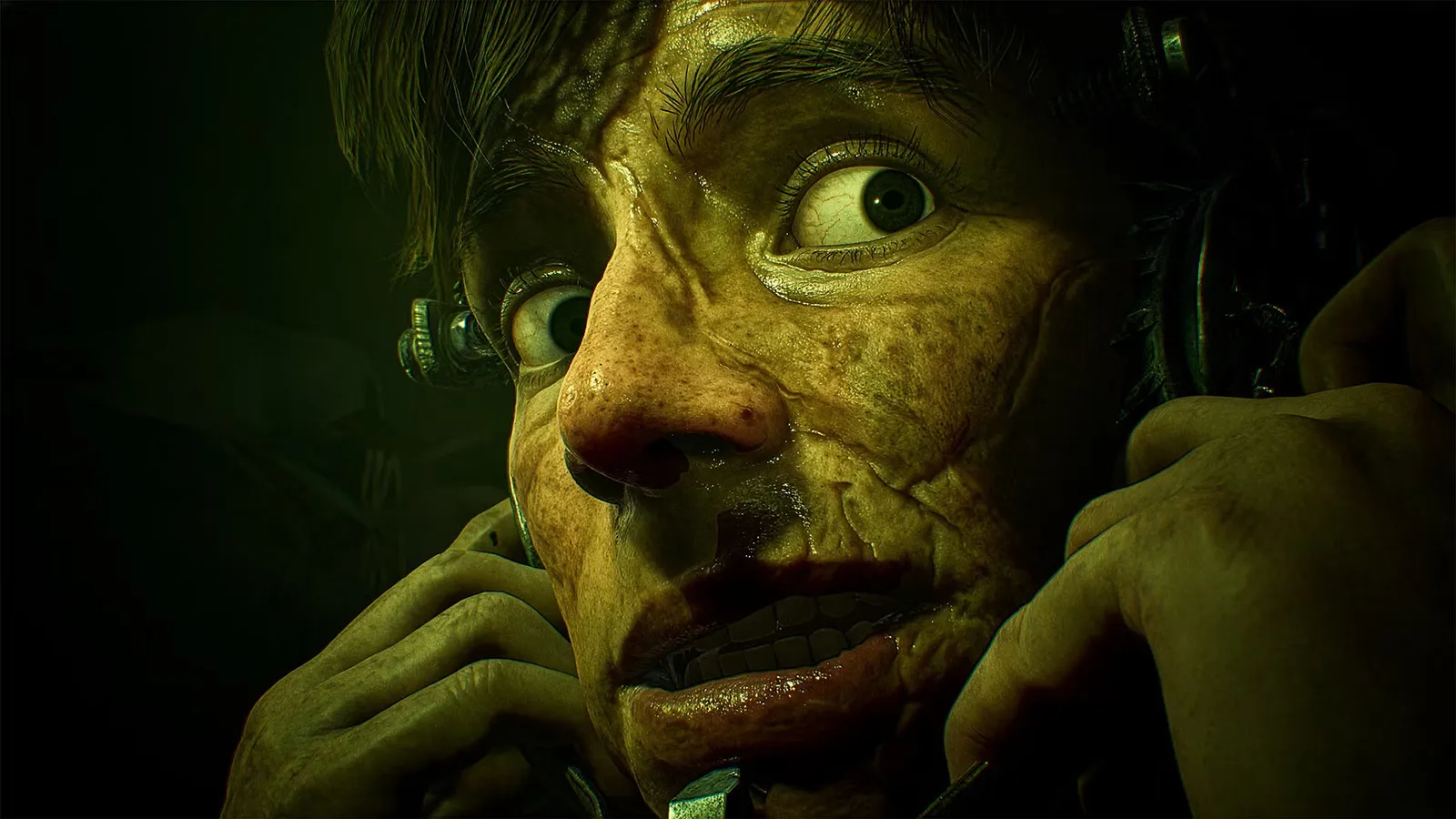
Bloober Team is developing Saw: Genesis, a new asymmetrical horror game built on the Saw movie series. The pitch is simple but risky: make Jigsaw fit an asymmetrical multiplayer format by replacing the usual chase-driven loop with escape room-style challenges.
The weirdest part of making a video game out of Saw is not the gore. It is the logistics of translating Jigsaw into gameplay. Jigsaw, as a character, is not the kind of killer who can sprint around, lunge, and trade quick counterplay. He is portrayed more like a weak old man who operates from behind a wall of monitors. That design reality does not scream “asymmetrical multiplayer” the way a typical slasher archetype does, at least not in a Dead by Daylight kind of way.
That is the puzzle Bloober Team is trying to solve with Saw: Genesis. The studio is betting that it can switch the familiar multiplayer horror rhythm, bringing in escape room thrills instead of relying on a chase-first formula. In other words, Saw: Genesis is not just “Dead by Daylight with a Saw skin.” It is an attempt to make the franchise’s core energy, traps and trials, the actual center of how matches play out.
So what does it mean to “switch up” the formula? With asymmetrical horror games, the genre’s gravitational pull is usually toward a chase loop. One side hunts. The other side runs, hides, and interacts with match objectives that often feel like the same set of motions repeated at speed. Dead by Daylight is the canonical example, but the reason it works is straightforward. Movement under pressure is a readable fantasy. It is also a reliable way to create tension in a five-to-ten-minute loop.
Saw: Genesis appears to be heading in a different direction, toward survival mechanics that resemble an escape room. If you have ever done one of those timed, puzzle-focused experiences, you know the emotional texture is different from a simple “kite the killer” mindset. You are not just avoiding damage. You are interpreting clues, managing resources, and taking actions that are directly tied to understanding how the environment wants you to fail. For a franchise built around elaborate traps, that is arguably the more natural fit. It also changes how skill is expressed. Instead of only rewarding map knowledge and spacing, it can reward pattern recognition, teamwork coordination, and decision-making under time pressure.
For decision-makers, this matters because asymmetrical multiplayer is expensive to get wrong. It is not just content production, it is systems design at scale. Matches need to feel fair, repeatable, and fun, even when players bring different skill levels. If the trap-and-trial model is too confusing, too punishing, or too slow, you get churn. If it is too familiar, you get “why is this not the same game as everything else?” That is the risk of launching into an already crowded horror multiplayer landscape. Competitors have set expectations for what players think asymmetrical gameplay should feel like.
Regulatory and compliance considerations are also part of the subtext, even when the headline is about horror thrills. Video games that draw heavily from well-known film franchises typically face extra scrutiny around IP rights and content presentation. Saw is not a generic horror brand. It is a specific movie universe with a defined style. Translating that into gameplay while aligning with distribution requirements can be a real constraint, especially for online multiplayer where platform policies and content moderation expectations become operational concerns. Even when no specific regulatory action is cited in the source, the general governance reality is that multiplayer horror is both an IP and a platform policy problem, not only a creative challenge.
There is also a second-order implication for publishers and studios watching Bloober Team’s approach. If Saw: Genesis succeeds in making escape-room challenges feel like “the fun part” of asymmetrical play, it could legitimize a broader design trend: using environmental logic as the main driver of tension. That would matter across the genre, because it gives developers a new way to differentiate without relying exclusively on chase animations, map layouts, and killer stuns. It could also reshape how boards think about competitive advantage in multiplayer. Differentiation would come from match structure, not just theme and cosmetics.
Bottom line: Saw: Genesis is trying to take a franchise built on trials and transform it into a Dead by Daylight-like multiplayer experience without copying the chase-centric loop that made that style famous. The studio’s core bet is that Jigsaw-style mechanics can become more than theme dressing. If they pull it off, it will be a strong signal that asymmetrical horror can evolve beyond the hunt-and-run template. If they miss, players will notice fast, because the genre’s loop expectations are already locked in.
This story's Key Insights and Take-aways are locked.
Create a free account to unlock Executive Actions for one credit.
Register to UnlockAlways free for Executives Club members. Join the Club
More in Entertainment

Entertainer Russell Brand denies 7 sex charges amid accuser's 'couldn't breathe' claim
The alleged victim's account sharpens the reputational and legal stakes for Brand, his platforms, and any business tied to a public figure under criminal scrutiny.

Russell Brand's accuser 'bewildered and confused' as he denies 7 sex charges
The criminal case against the comedian is a live test of how media companies manage talent risk when serious allegations go public.

'It's a Magic Trick': Ballet Experts Say Rosalía's SNL Pose Is Impossible
Three ballet experts tell Rolling Stone Rosalía's gravity-defying SNL stillness shouldn't be possible - and why the debate is now part of the show.