
Scientists warn El Nino puts the Great Barrier Reef at “ecosystem collapse” risk
Extreme bleaching risk is climbing this year, forcing Australia and insurers, investors, and boards to plan for worst-case impacts.
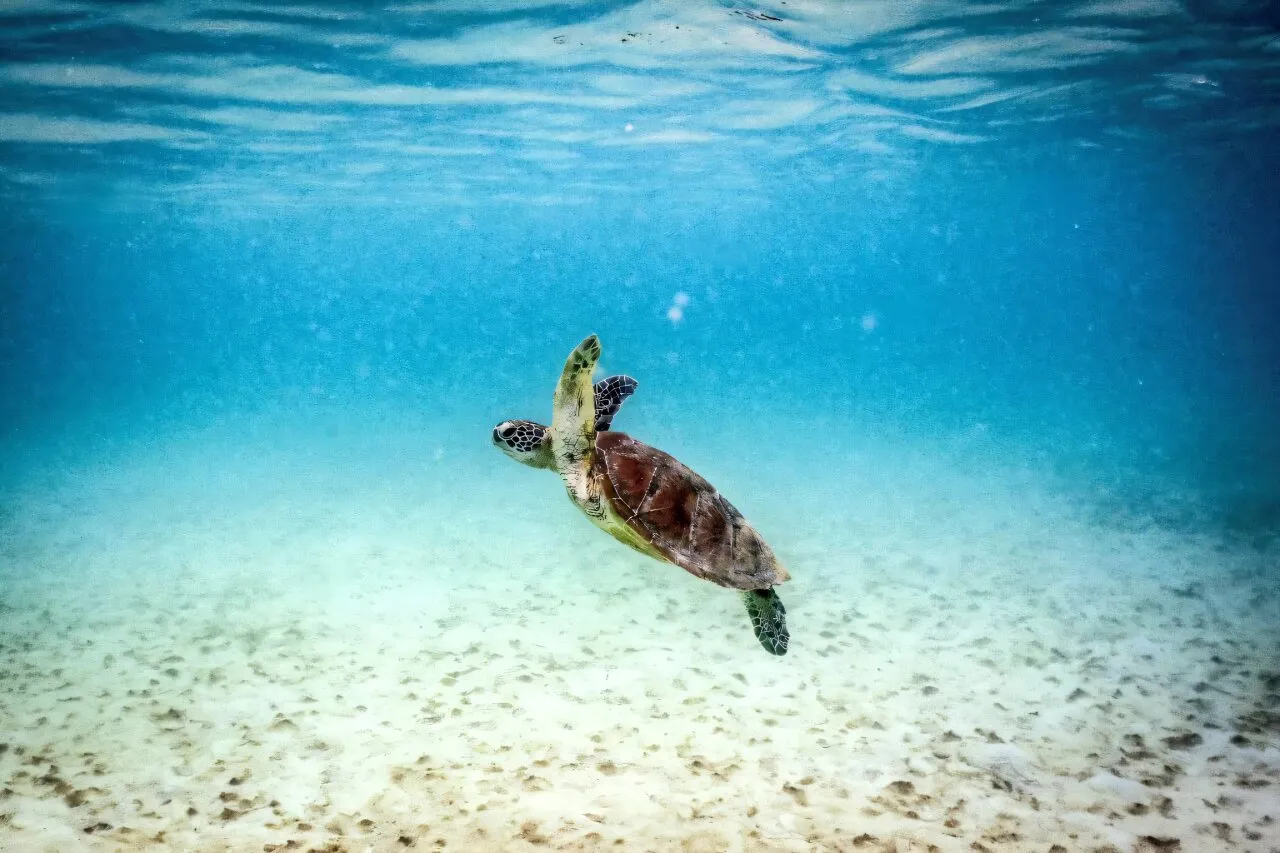
Scientists warned Tuesday that the Great Barrier Reef faces very high risk of extreme, widespread bleaching and possible “ecosystem collapse” tied to this year’s El Nino. The consequence for decision-makers is clear: nature-related disruption risks are moving from theory to operational and financial planning.
Australia's Great Barrier Reef is at very high risk of extreme and widespread bleaching and “ecosystem collapse,” scientists warned Tuesday. The trigger they point to is this year’s El Niño weather phenomenon, which can intensify ocean heat and push coral ecosystems past their tolerance.
For leaders watching climate and risk registers, this is the moment the warning gets teeth. When scientists describe “extreme and widespread bleaching” and pair it with “ecosystem collapse,” they are not talking about a slow decline or a localized stress event. They are signaling a possibility of large-scale ecological breakdown, which typically means cascading effects across food webs, fisheries, tourism appeal, and coastal protection.
To understand why this matters beyond environmental headlines, it helps to translate the science into the business reality. Coral bleaching happens when stressed corals lose their symbiotic algae and turn pale. When bleaching is widespread, recovery can fail, especially if heat stress persists. El Niño, a recurring climate pattern, changes weather and ocean conditions across regions, and in the Reef’s case, the feared pathway runs through elevated sea temperatures. The key phrase in Tuesday’s warning is “linked to this year’s El Niño.” That linkage matters because it suggests a timing problem. Boards and operators need to plan around a known seasonal mechanism, not a vague future threat.
There is also a governance dimension. In many organizations, climate risk is treated like a long-term reporting obligation until it starts showing up as near-term costs: insurance pricing, event-driven revenue swings, supply chain disruptions, and compliance pressure. Reef-related impacts can become input into these systems quickly. For Australia, the Reef is not just a natural landmark. It supports livelihoods, shapes tourism demand, and underpins national branding for environmental stewardship. If bleaching is extreme and widespread, the downstream disruptions can hit multiple sectors at once, which is exactly the kind of scenario that stresses boards that assumed risks would be more compartmentalized.
Regulatory framing is where the words “ecosystem collapse” can move from rhetoric to requirement. Even when regulators are not directly ordering coral restoration on a quarterly timeline, they can still increase scrutiny of nature-related disclosures, environmental claims, and risk management. That creates a second-order incentive for companies connected to tourism, marine services, coastal real estate, and insurance to tighten their assumptions. In practice, decision-makers start asking: what if this year’s event is not a minor anomaly, but the kind of stress that leads to prolonged degradation? The scientists’ warning Tuesday is a data point that shifts that question from “if” to “how bad, how fast, and for how long.”
The strategic stakes are also contagious across peer organizations. If the Reef faces a very high risk of “ecosystem collapse” tied to El Niño, then other climate-sensitive systems move closer to the same risk category. Boards that manage global nature exposure will likely treat this as a stress test for their own risk models. Even companies without direct reef operations may face knock-on impacts, because ecological disruption can alter tourism patterns, shift consumer sentiment, and increase physical risk along coastlines.
Finally, there is the human side of the term “collapse.” Ecosystem collapse is not a metaphor for a smaller dip. It implies a structural change that can be hard to reverse quickly, especially if bleaching keeps repeating and recovery periods shrink. That means leaders should think in terms of resilience, not just mitigation. For many organizations, the immediate operational choices may involve monitoring, scenario planning, and preparing for disruptions tied to reef conditions. The headline warning Tuesday is about timing and magnitude. The practical job now is turning that into decisions before the next reporting cycle forces the discussion.
In short: scientists warned Tuesday that this year’s El Niño raises the Great Barrier Reef’s risk of extreme, widespread bleaching and “ecosystem collapse.” For decision-makers, the message is urgent because it points to a chain reaction that can quickly become economic and operational reality.
This story's Key Insights and Take-aways are locked.
Create a free account to unlock Executive Actions for one credit.
Register to UnlockAlways free for Executives Club members. Join the Club
More in Science

Alaska's 1,580-foot tsunami had warning signs. Scientists just found them.
Rapid glacier retreat, heavy rainfall, and thousands of tiny tremors preceded Alaska's 1,580-foot tsunami, a warning for every coastal community in a warming world.

The rare mutation that lets high-risk brains dodge Alzheimer's
Scientists found a natural defense against protein buildup, opening a new path to preventive treatments.

3,000 steps a day may halve Alzheimer's decline, study finds
New research links a modest daily walk to less tau buildup and nearly half the cognitive and functional decline, even for those with early signs.