
Scopely plugs Monopoly Go with Simpsons writers, animators, and voice talent
Springfield crashes into the mobile board game via a new animated short, resetting how licensed TV IP competes for attention.

Scopelys Monopoly Go is adding Springfield through a collaboration that brings in Simpsons writers, animators, and voice talent, plus a new animated short. For decision-makers, it signals how major mobile studios are keeping premium IP hot, even as many licensed games fade fast.
Springfield just crash-landed into Monopoly Go, and the move is more specific than your average licensed tie-in. Scopely is collaborating with The Simpsons writers, animators, and voice talent, and the partnership includes a new animated short starring Dan Castellaneta, Nancy Cartwright, Harry Shearer, and Will Ferrell. The result is exactly the kind of “mini-episode” approach that makes long-running TV IP feel less like a reskin and more like a product with its own internal momentum.
The story traces that momentum directly to how players form nostalgia, and why studios pay for the right kind of nostalgia. Joe Zanetti, vice-president of operations at Monopoly Go developer Scopely, points back to Konamis 1991 brawler, The Simpsons Arcade Game, as the title that made a big impression. His point lands because The Simpsons has not just returned once, it keeps finding new digital lives, while most licensed TV games disappear into obscurity.
That context matters because it frames the economics and incentives behind why Scopely is leaning in. In general, licensed games are often built to harvest attention at release, then they move on. But the article emphasizes that “while most licensed TV games have faded into obscurity, The Simpsons keeps finding new digital lives.” When a property can repeatedly extend itself across formats, the value shifts from one-time marketing to ongoing retention. For a mobile game, retention is everything: players do not just download, they return, spend, and share. The “Simpsons episode” framing is essentially a strategy for keeping the audience engaged inside the loop rather than treating the IP as a banner.
The partnership itself is also telling. Rather than using only celebrity likenesses or a handful of sound bites, Scopely is pulling in Simpsons writers and animators, not just voice talent. That is a higher bar. The article also describes a showdown between two infamous tycoons as part of the latest Simpsons venture, which suggests the content is designed around recognizable character dynamics, not generic Monopoly mechanics wrapped in cartoon branding.
And if you are wondering why voice talent is highlighted so prominently, it is because it is one of the fastest ways to make a licensed game instantly legible. The new animated short stars Dan Castellaneta, Nancy Cartwright, Harry Shearer, and Will Ferrell. When those performers are involved, you get continuity of tone and character performance that fans expect, and that consistency can be the difference between “cool crossover” and “feels like the real thing.” In other words, the collaboration is not just about recognizable names. It is about recreating the texture of the show inside another medium.
The article even nods to how different generations remember Simpsons games differently. It mentions the 1990s arcade cabinets that “swallowed pocket money” for some players, and The Simpsons: Cartoon Studio for others. It also points to millennials recalling The Simpsons: Hit & Run. That generational spread is more than trivia. It hints that Scopely is not only targeting existing Monopoly Go players, it is targeting people with long memory for Simpsons gaming. The deeper the nostalgia, the more likely a player is to treat the update as an event rather than background content.
There is also a broader market implication here for boards and operators watching mobile IP strategies. If “most licensed TV games” fade, then the winners are likely the ones that treat IP as living content. Scopely is effectively doing that by integrating the creative pipeline, including writers and animators, rather than limiting the collaboration to surface-level branding. That approach can raise production complexity, but it also increases the odds that the game remains culturally relevant. For studios, that is the second-order effect: you are not just buying attention, you are buying a reason for the audience to keep coming back.
Finally, the strategic stakes for executives in similar roles are clear. Monopoly Go is betting that high-fidelity, show-native content can extend the franchise and support ongoing engagement. Other mobile leaders should read this as a warning about “license fatigue,” but also as permission to go deeper. If your collaboration is only a costume change, it may land briefly. If it feels like a real segment of the show experience, it can keep reappearing in players lives. That is what The Simpsons is doing, and it is why Springfield keeps crashing in.
This story's Key Insights and Take-aways are locked.
Create a free account to unlock Executive Actions for one credit.
Register to UnlockAlways free for Executives Club members. Join the Club
More in Entertainment

Sword Art Online returns July 2026 with an all-new adventure
A July 2026 return signals franchise momentum. Here is what it means for fans, studios, and IP investors.
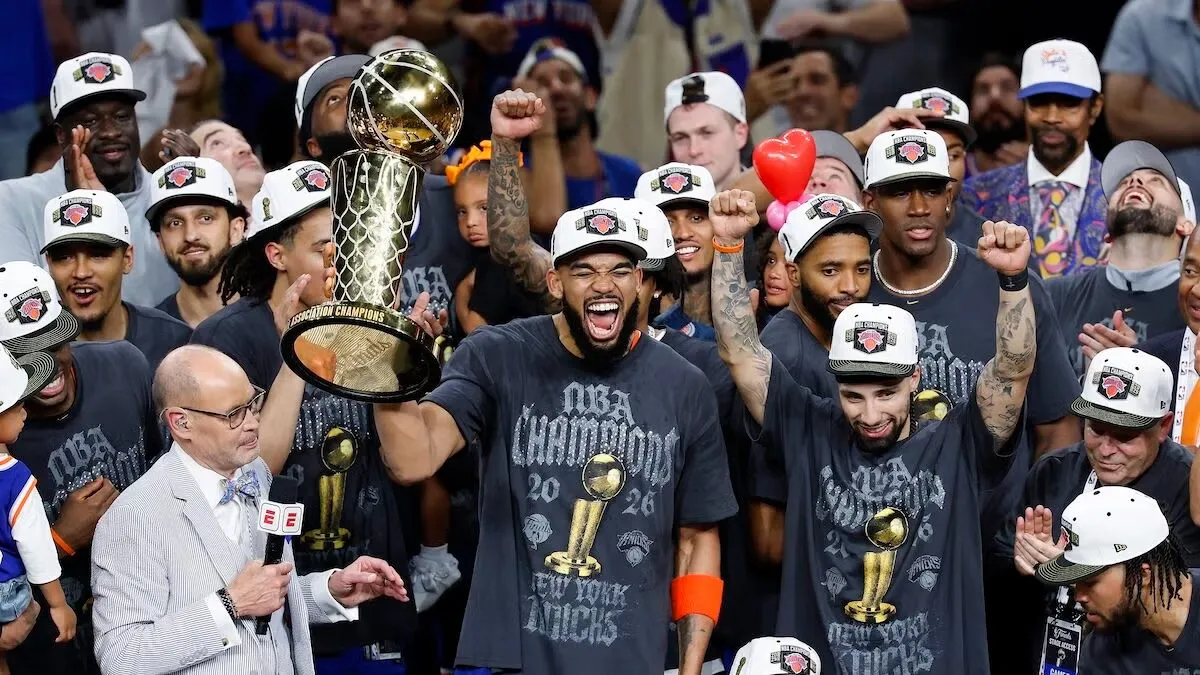
Knicks smash Game 5 ratings: 24.5 million viewers, biggest since 1998
A 157% jump lifts the NBA Finals audience, resetting what ABC and ESPN can expect from Game 5.
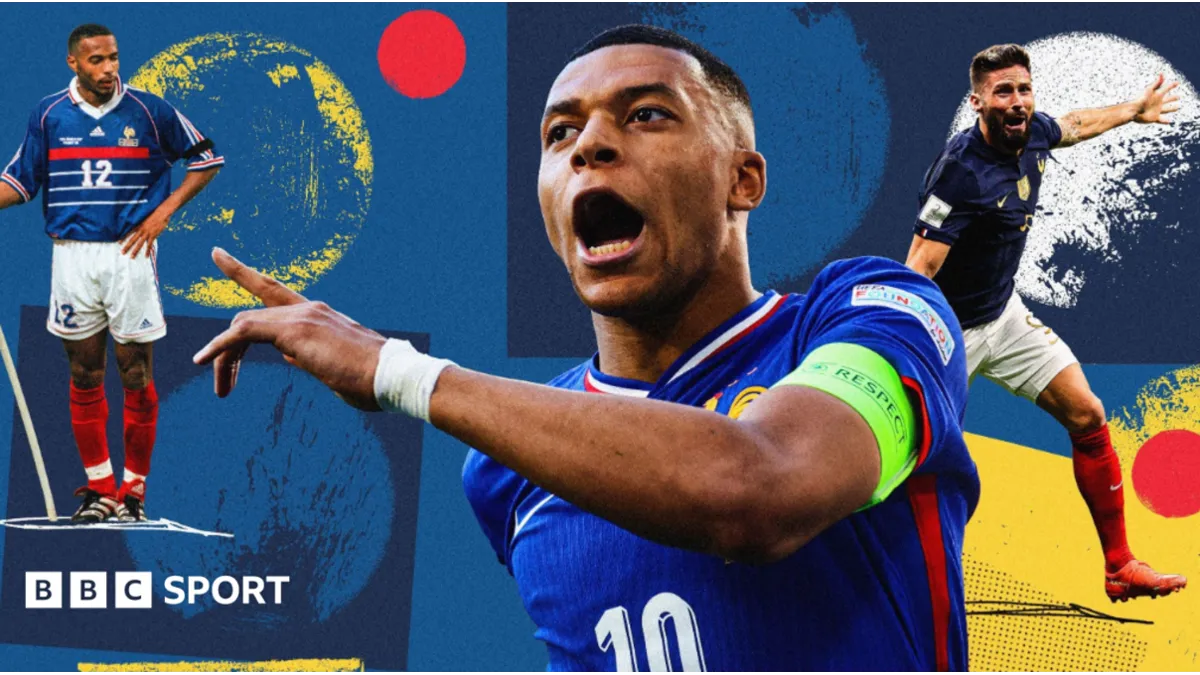
Mbappe becomes France's joint record scorer at 27, rewriting the meaning of longevity
A quick timeline of Kylian Mbappe's rise to France's joint scoring record, and why it matters for football’s next generation.