

Sebastián De Caro will direct Argentina’s “Jimmy and Stiggs” spin-off, not a remake
The Horror Section licenses the alien-horror IP for a new-character story, signaling how regional studios mine genre franchises.
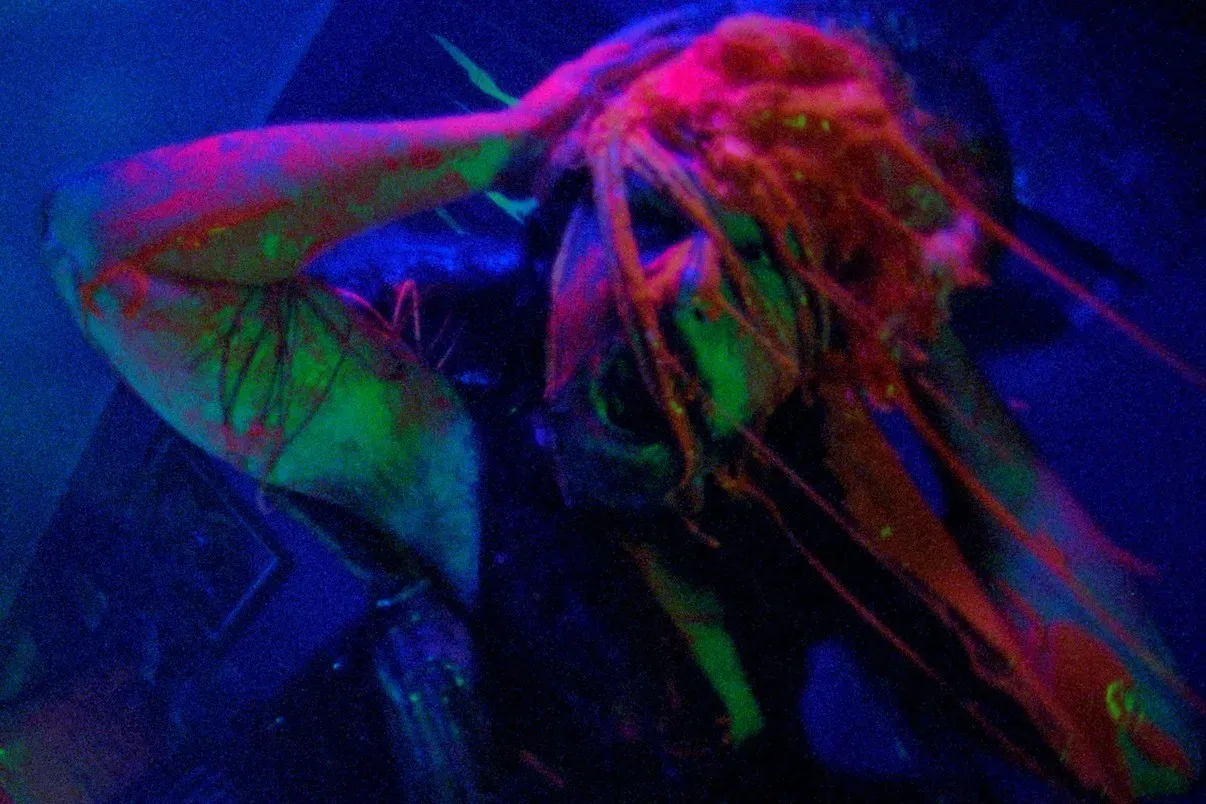
Sebastián De Caro, an Argentine filmmaker, has optioned the spin-off rights to “Jimmy and Stiggs,” a neon-drenched alien horror film written, directed by, and starring Joe Begos and released by Eli Roth’s The Horror Section. De Caro will direct the project, which will adapt the property with new characters rather than proceed as a straight remake.
Argentina’s Sebastián De Caro is moving fast on genre IP. Variety reports that De Caro has optioned the Argentine spin-off rights to “Jimmy and Stiggs,” and will direct the project.
This is not being positioned as a simple remake. Instead, the film will follow new characters, even though the source property is already specific about tone and craft. “Jimmy and Stiggs” is described as neon-drenched and practical-effects-laden, and it was written, directed by, and starring Joe Begos. The Horror Section is the releasing banner, owned by Eli Roth. That combination matters because it tells you what audiences are likely buying into: a particular brand of horror aesthetic, not just the alien premise.
So why does a spin-off deal like this land with real weight for executives, not just horror fans? Because it is a clean example of how regional adaptation is evolving. When studios remake a film, they often treat the original story as the product. A spin-off changes the unit of value. You keep the recognizability, but you swap in local character hooks, new narrative pathways, and (typically) different production sensibilities. Variety’s wording makes that clear: “Rather than a straight remake, the film will follow new characters.” That is an intentional creative decision with commercial consequences. New characters reduce the risk of feeling like “the same thing again,” while still leveraging the cult or genre “signal” that “Jimmy and Stiggs” already provides.
There is also a business-structure angle worth highlighting. Optioning spin-off rights implies a step-by-step path to development. In media deals, an option is usually time-limited and conditional, giving the rights holder the ability to move toward financing and production without instantly locking everything in. That is helpful for buyers like De Caro because it can align rights with packaging needs, cast and crew recruitment, and distributor conversations. It is also useful for the originating franchise stakeholders, because it allows them to multiply territories and creative teams while controlling who gets to develop which version. The key fact from the report is that the rights are specifically described as Argentine spin-off rights, which suggests a territorial scope rather than a global license.
Next, look at the role of The Horror Section, connected here through Eli Roth. The Horror Section is the release platform for the original “Jimmy and Stiggs.” When a niche genre arm produces or releases a film, it often becomes a storefront for brand building. In deals like this, that storefront can do more than sell the first title. It can also provide a pipeline for international development. Executives should watch for this pattern: genre labels that already understand audience expectations have a stronger case when negotiating downstream adaptations, because they can describe not just the content, but the audience demand they helped create.
Then there is the creative leverage in the original. The film is written, directed by, and starring Joe Begos, which usually means the movie is an auteur-driven project, even when it relies on practical effects and stylized visuals. Auteur identity matters in horror because it shapes expectations around style, pacing, and scares. A spin-off with new characters has to respect the original’s creative DNA while still differentiating itself. From an operational perspective, that sets the bar for the director. De Caro is not inheriting a ready-made character roster; he is inheriting an established tone. That can be an advantage for a director because it allows creative agency, but it also increases the importance of getting tone alignment right early, before money starts moving.
For boards and investors, the second-order implications show up in how risk is allocated. Remakes can be expensive because they require heavy reliance on recognizable story beats and the production complexity of matching an existing structure. Spin-offs can spread risk differently. You may not need to replicate the entire plot machinery, but you still need to deliver a coherent horror experience that satisfies fans of the original property. If this works, it strengthens the franchise model: one successful genre film becomes a recurring pipeline for regional versions, each with a distinct cast and narrative entry point.
For peers in similar roles, the strategic stakes are simple: where does your IP development go when you can’t or don’t want to redo the same story? Deals like De Caro’s suggest the market is rewarding differentiation within a recognizable horror universe. The headline fact is that De Caro will direct an Argentine “Jimmy and Stiggs” spin-off. The real takeaway is the method behind it: keep the neon, keep the practical-effects sensibility ecosystem, but refresh the story through new characters. If your company is playing in genre or international adaptation, that is the play to study.
This story's Key Insights and Take-aways are locked.
Create a free account to unlock Executive Actions for one credit.
Register to UnlockAlways free for Executives Club members. Join the Club
More in Entertainment

Entertainer Russell Brand denies 7 sex charges amid accuser's 'couldn't breathe' claim
The alleged victim's account sharpens the reputational and legal stakes for Brand, his platforms, and any business tied to a public figure under criminal scrutiny.

Russell Brand's accuser 'bewildered and confused' as he denies 7 sex charges
The criminal case against the comedian is a live test of how media companies manage talent risk when serious allegations go public.

'It's a Magic Trick': Ballet Experts Say Rosalía's SNL Pose Is Impossible
Three ballet experts tell Rolling Stone Rosalía's gravity-defying SNL stillness shouldn't be possible - and why the debate is now part of the show.