

SEC settles with Elon Musk for $1.5M, but judge flags “red flags” on approval
Despite “significant misgivings,” a federal judge says the court can’t block the settlement.

A federal judge reluctantly approved a $1.5 million settlement between Elon Musk and the SEC over an alleged Twitter stock violation. Even while citing “red flags” and “significant misgivings,” she ruled the legal standard was too high to stop the consent judgment.
A federal judge reluctantly approved a $1.5 million settlement between Elon Musk and the U.S. Securities and Exchange Commission, even after she said she had “significant misgivings” and spotted “red flags” in how the SEC handled the case. US District Judge Sparkle Sooknanan, a Biden appointee, wrote in an order approving the deal that she was raising concerns about a settlement that, in her view, could let Musk “get off lightly” for a rule violation that allegedly harmed Twitter investors.
The key twist is that her skepticism did not translate into a rejection. Sooknanan said that while she had concerns about whether the settlement was tainted by corruption, the circumstances did not meet the “high threshold” required for a court to block a consent judgment. In other words, the judge acknowledged the discomfort, but she said the courthouse door for stopping the SEC-Musk deal was, legally speaking, basically locked. She wrote, “That means that this Court must accept the Parties’ consent judgment,” and she added that whether the executive branch, through the SEC, did enough to hold Mr. Musk to account is something “for our citizenry to decide at the ballot box.”
To understand why that matters beyond a single lawsuit, it helps to know what kind of regulatory process this was. The SEC is the federal agency that enforces securities laws and polices disclosures and market conduct. When the SEC settles, it is often trying to resolve alleged violations without the full blast of litigation. But consent judgments are not just a back-office decision. They become part of a court record, and the court’s role is meant to be limited, not a full re-trial. That is exactly what the judge leaned on here: even if the court sees problems, it still has to apply a demanding standard before it can intervene.
Sooknanan’s language is also notable because it signals that the court was not simply rubber-stamping something she viewed as clean. She described “red flags” in the SEC’s decision-making, and she previously questioned whether the deal is tainted by corruption. That is a serious accusation in any legal context, even if she ultimately stopped short of rejecting the settlement. The practical effect for markets and boards is that the SEC can still reach a settlement that the judge finds procedurally uncomfortable, and the court may still be forced to approve it.
For executives, especially those whose companies touch public markets, there is a second-order lesson hiding in the legal one. The SEC’s settlement posture influences how risk is priced internally. If leadership believes that enforcement outcomes can be resolved via settlements that are likely to be approved, the internal debate shifts from “How do we avoid a worst-case courtroom outcome?” to “How do we manage the compliance posture so the SEC does not view the conduct as a negotiable enforcement target?” That is not a counsel to game the system. It is a recognition that consent-based resolutions and their likely approval dynamics shape what regulators think is achievable.
There is also a governance angle. When settlements involve public figures and high-profile companies like Musk’s Twitter-related matters, investor harm is not just a legal term. It becomes a reputational and shareholder-relations event. The judge’s framing that the alleged rule violation harmed Twitter investors, paired with the settlement being $1.5 million, is the kind of mismatch that boards worry about: the gap between alleged market impact and the monetary price of resolution. Even if the legal system treats the consent judgment process as constrained, stakeholders will still evaluate whether regulators are applying consistent consequences.
So what does this mean for decision-makers trying to read the signal? The judge’s order suggests two things at once. First, there are legitimate judicial concerns about how this settlement came together, with the judge citing “significant misgivings” and “red flags.” Second, even with those concerns, the court cannot block the deal because the threshold for rejecting consent is high. The SEC’s enforcement credibility, and investors’ faith in deterrence, will be judged elsewhere. Sooknanan made that explicit, telling readers that the question of accountability is for “our citizenry to decide at the ballot box.” For executives and boards watching the regulatory perimeter, that is a reminder that legal approval is not the same as public acceptance, and that settlements can still leave a governance footprint.
This story's Key Insights and Take-aways are locked.
Create a free account to unlock Executive Actions for one credit.
Register to UnlockAlways free for Executives Club members. Join the Club
More in Business

AstraZeneca $27B wipeout as Wainua late trial misses cardiovascular target
A failed late-stage heart study triggered a swift market punishment, forcing investors and boards to reset timelines and risk.
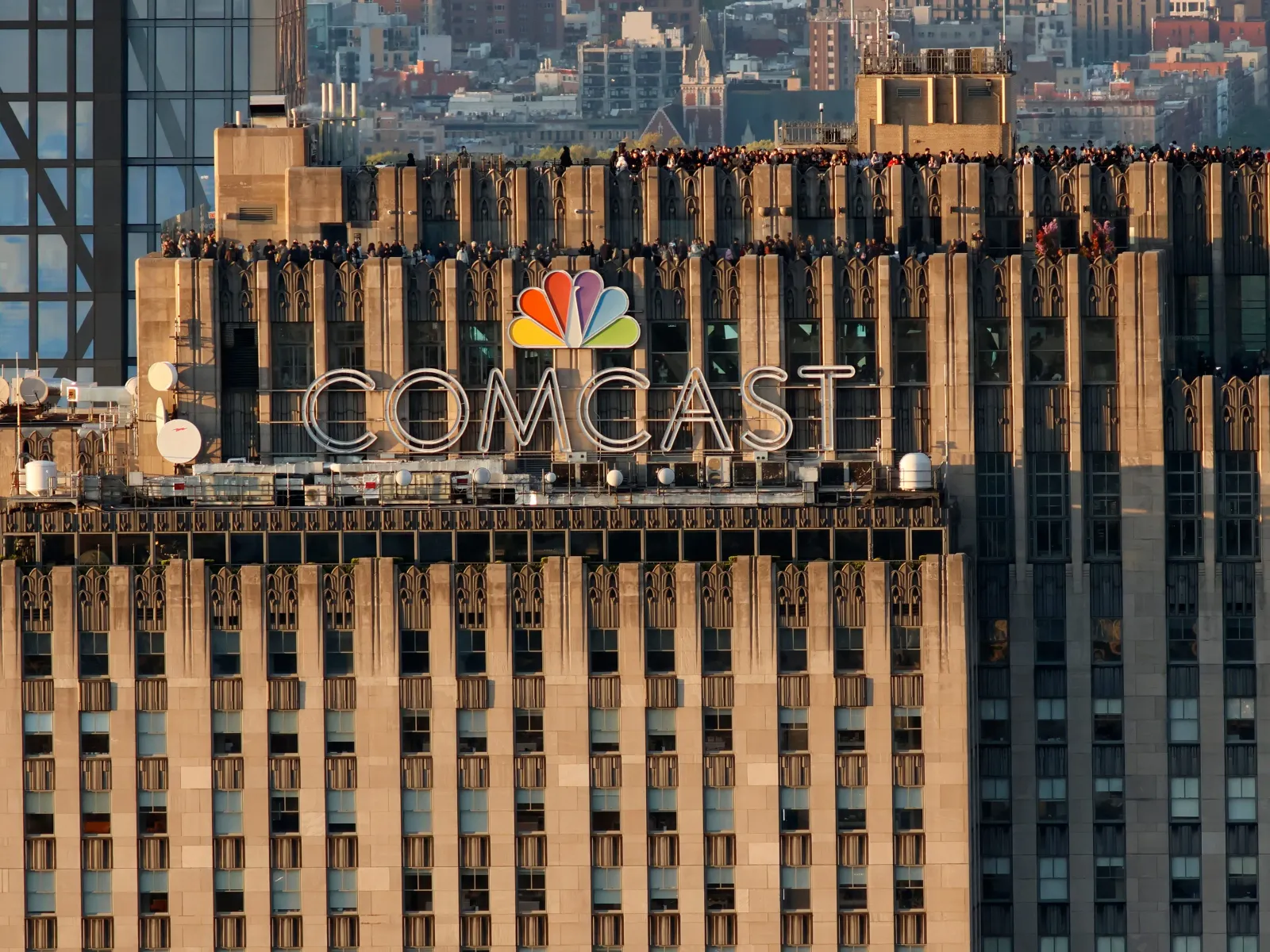
Comcast shares jump 25% as it plans to split NBCUniversal and Sky
The tax-free spin-off could reshape focus, funding, and competition across media and tech for years.

Bungie cuts most Destiny 2 staff as Sony says Marathon still matters
Herman Hulst confirms layoffs affecting most Destiny and some Marathon teams after Bungie admits Destiny fell short.