

Securitize IPOs via SPAC, raises $400M, BlackRock backing lifts debut shares 3%
The tokenization firm values at $1.25B joins a thin but real crypto IPO run, even as the broader market cools.
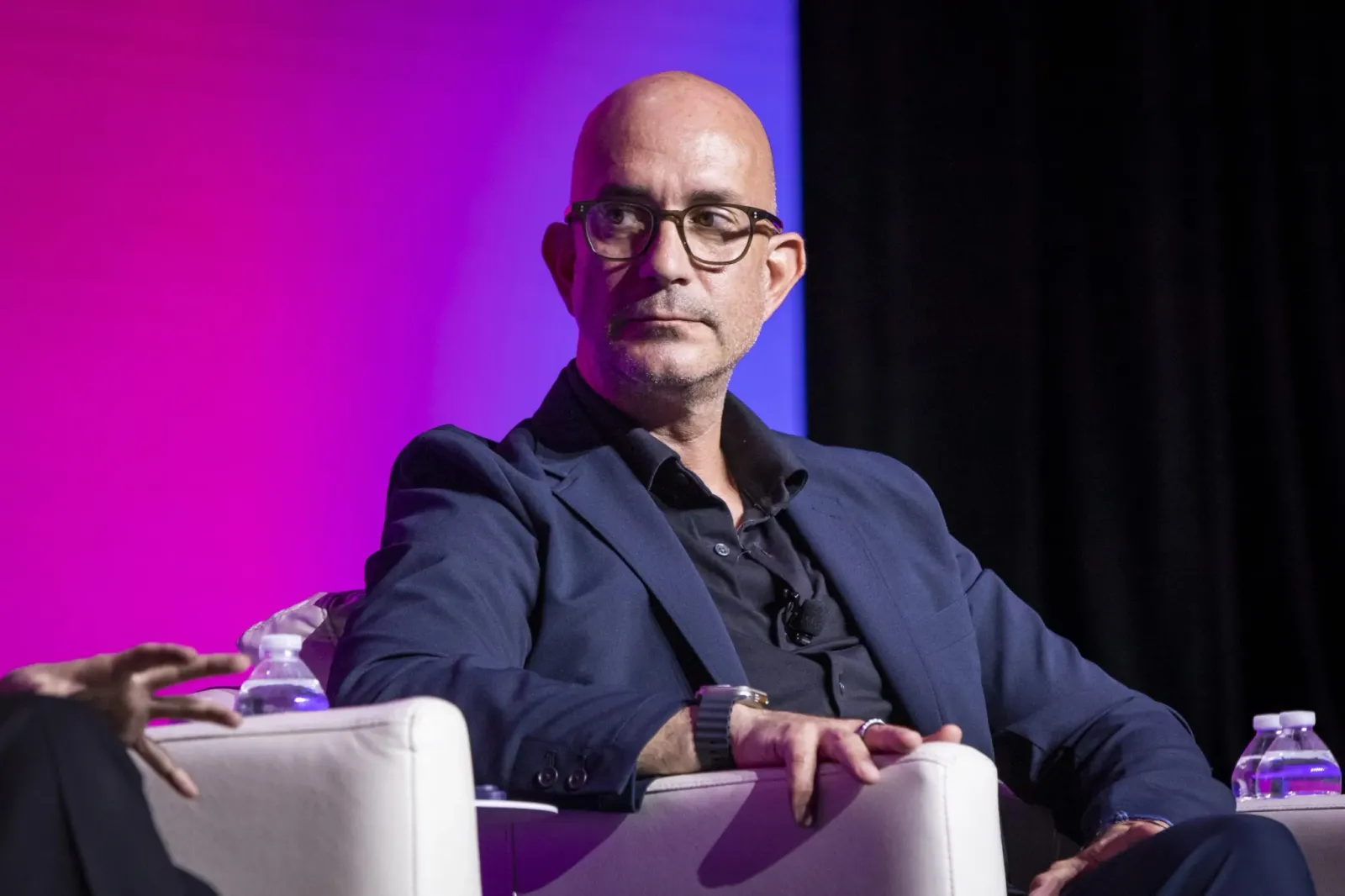
Securitize, a BlackRock-backed tokenization company, debuted Thursday on the New York Stock Exchange after merging with Cantor Equity Partners II. Its public offering raised $400 million and pushed shares up nearly 3% on debut, signaling renewed institutional appetite for on-chain finance.
Securitize just turned a crypto-native business model into a Wall Street headline. The BlackRock-backed tokenization specialist debuted Thursday on the New York Stock Exchange after completing a SPAC merger with Cantor Equity Partners II, and shares are up nearly 3% since markets opened. The move matters because this is one of the cleanest “traditional finance, but on-chain” conversions we have seen in the last year, and it arrives even while crypto markets have been choppy and IPO enthusiasm has been fragile.
The funding headline is equally concrete. Securitize raised $400 million from its public offering after the SPAC merger, in a deal that valued the company at $1.25 billion. According to the report, about 71% of the SPAC’s cash pool stayed in the merger rather than being withdrawn by investors, a detail that tells you the market may not be thrilled across crypto generally, but it is still willing to pay for credible execution and real infrastructure. And Securitize President Brett Redfearn framed the moment as a watershed, telling Fortune at the NYSE that “Today is a watershed event in the process of bringing traditional services on-chain” and that “We’re at a tipping point in tokenization.”
So what exactly is Securitize selling? In plain English, it helps put financial assets like stocks into blockchain-based wrappers, a process often called tokenization. That matters because tokenization is not just a crypto tech demo. It is an attempt to make parts of the financial system easier to move, transfer, and potentially settle, using blockchain rails. If you are an asset manager, an exchange, or a bank thinking about distribution, tokenization is attractive because it could create new ways to issue, hold, and trade financial products while leveraging familiar governance and compliance patterns.
Securitize also signaled it intends to extend the tokenization concept inward, not just outward. Redfearn said the company will issue a tokenized version of its own stock as it begins trading on the public market. That is an aggressive form of “eat your own dog food,” because the token would be tied to a liquid public equity wrapper rather than a closed private token. Executives should notice the practical implication: if a mainstream financial tokenization process can work for a public company, it reduces the credibility gap that often exists when tokenized assets are limited to pilots or niche instruments.
Context explains why this IPO still feels important. The source notes that Securitize joins a growing list of crypto firms that have IPOed over the past two years, but also that the anticipated wave of crypto IPOs has largely fizzled amid broader downturns and because attention has swung toward mega listings like SpaceX. In that environment, deals that do happen are scrutinized hard, and the SPAC mechanics get extra attention. The fact that about 71% of the SPAC’s cash pool stayed in the merger rather than being withdrawn suggests that investors were willing to underwrite at least part of the risk. That is a subtle vote of confidence, and it is exactly the kind of detail boards and CFOs watch when deciding whether to partner, invest, or build.
This is not the first crypto listing in the current era. The source points out that Circle, the issuer of the USDC stablecoin, became the first crypto firm to complete an IPO in June 2025. Three months later, Gemini, the centralized exchange led by the Winklevoss twins, followed suit, and in January BitGo became the first crypto company to go public in 2026. So Securitize is part of a pattern, not an isolated miracle. But the broader takeaway is that tokenization is positioning itself closer to the center of institutional finance rather than remaining in the fringes of trading. That shift is why the BlackRock connection is more than branding.
On that point, the source includes a specific track record. Founded in 2017 by Carlos Domingo and Jamie Finn, Securitize has helped asset managers like VanEck launch a tokenized U.S. Treasury fund and has partnered with the New York Stock Exchange on a planned platform for trading tokenized stocks and exchange-traded funds. It has also worked with BlackRock to create a tokenized money market fund known as BUIDL, and in 2024 BlackRock led a $47 million investment into Securitize. Earlier this month, Citi rolled out a product allowing wealthy and institutional clients to trade shares of private companies through a blockchain, and the report adds that major U.S. banks, including JPMorgan, Bank of America, Wells Fargo, and Citigroup, reportedly plan to launch a tokenized deposit network in 2027. These are not identical projects, but they rhyme. They imply that tokenization is moving from “possible” to “planned,” which is where capital markets start paying attention.
Strategically, Securitize’s debut raises the bar for everyone who is trying to decide what to do next. If you are a public-market exec at a broker, exchange, or financial platform, this IPO is a reminder that tokenization is finding a path to mainstream legitimacy through real funding rounds and real listings. If you are an investor or board member evaluating crypto adjacency, the lesson is that credibility is increasingly measured by whether companies can translate blockchain infrastructure into compliant financial products that public markets can underwrite. Today’s pop is a percentage on a screen. The deeper signal is that tokenization is inching toward the kind of deal flow and distribution power that only public markets can normalize.
This story's Key Insights and Take-aways are locked.
Create a free account to unlock Executive Actions for one credit.
Register to UnlockAlways free for Executives Club members. Join the Club
More in Business
Comcast shares jump 25% as it plans to split NBCUniversal and Sky
The tax-free spin-off could reshape focus, funding, and competition across media and tech for years.

Bungie cuts most Destiny 2 staff as Sony says Marathon still matters
Herman Hulst confirms layoffs affecting most Destiny and some Marathon teams after Bungie admits Destiny fell short.

SK Hynix jumps 11% after seeking up to $29.4B in Nasdaq listing
The chip giant filed for a Nasdaq listing plan that could raise $29.4 billion, instantly reshaping investor expectations.