

SenseTime posts $92M profit by ditching the model-size arms race
CEO Xu Li and CFO Wang Zheng explain how a pivot to enterprise tasks, not bigger models, turned SenseTime profitable while Chinese AI peers struggle.

SenseTime CEO Xu Li and CFO Wang Zheng reported a net profit of 617.3 million yuan (US$92.0 million) for the first half of 2026, driven by a pivot away from model-size competition toward enterprise task completion. The result signals that AI monetization may hinge on practical client outcomes rather than raw model scale, a lesson for peers burning cash on frontier models.
SenseTime just proved that in AI, smaller can be smarter. The Chinese pioneer reported a net profit of 617.3 million yuan (US$92.0 million) for the first half of 2026, a milestone that stands in stark contrast to many domestic peers still burning cash in the race to build ever-larger models. The secret, according to CEO Xu Li and CFO Wang Zheng, was a deliberate pivot away from chasing model size and toward helping clients complete specific enterprise tasks.
Instead of competing on parameter counts or benchmark scores, SenseTime focused on embedding generative AI into workflows where it can deliver measurable outcomes - think document processing, customer service automation, and industry-specific copilots. That shift, executives explained, turned AI from a cost center into a revenue driver, allowing the company to flip to profitability even as the broader Chinese AI sector struggles to convert hype into income. The profit figure is not just a headline; it is a validation of a strategy that prioritizes customer retention and recurring revenue over headline-grabbing model releases.
The backdrop is brutal. China's AI field is crowded with well-funded startups and tech giants, many of whom have poured billions into training frontier models that are expensive to run and hard to monetize. SenseTime's approach suggests a different path: instead of trying to out-parameter the competition, it built solutions that solve concrete problems for enterprises, which are willing to pay for outcomes rather than raw capability. This is a subtle but critical distinction - the market is rewarding application-layer innovation, not just foundation-model bragging rights.
Regulatory dynamics also play a role. Beijing has encouraged AI development but also imposed rules on generative AI, requiring approvals and content controls. That has made it harder for model-makers to launch broadly, but easier for firms that tailor AI to specific, compliant use cases. SenseTime's enterprise focus aligns with this environment, letting it navigate compliance while delivering value. For a company that began as a computer-vision specialist, the pivot to generative AI for enterprise tasks is a natural evolution, but one that required a disciplined reallocation of engineering and sales resources.
The financial implications extend beyond SenseTime's own balance sheet. The 617.3 million yuan profit is a sharp reversal for a company that has historically posted losses, and it offers a template for other Chinese AI firms struggling to find a business model. CFO Wang Zheng's numbers suggest that enterprises are willing to pay for AI that works within their existing systems, rather than waiting for a general-purpose superintelligence. That could reshape how Chinese AI companies allocate capital, shifting spending from training runs to deployment and integration.
For other AI executives, the lesson is clear: the path to profitability may lie in application-layer innovation, not just foundation models. SenseTime's success demonstrates that a focused, outcome-driven approach can generate real revenue in a market where many are still searching for a viable business case. The company's ability to turn a profit while peers struggle is a signal that the industry's next phase may be about practical deployment, not just raw compute.
As peers watch, the question becomes whether they can adapt quickly enough to follow suit - or whether they'll keep chasing scale while the market rewards those who solve real problems. SenseTime's half-year result is a wake-up call: in the race to monetize AI, the winners may be those who stop competing on model size and start competing on customer outcomes.
This story's Key Insights and Take-aways are locked.
Create a free account to unlock Executive Actions for one credit.
Register to UnlockAlways free for Executives Club members. Join the Club
More in Business

Apple unveils first foldable iPhone Duo with 7.6-inch display under new CEO Ternus
Apple's first foldable, the iPhone Duo, marks a major product bet for new CEO John Ternus, with a 7.6-inch unfolded screen.
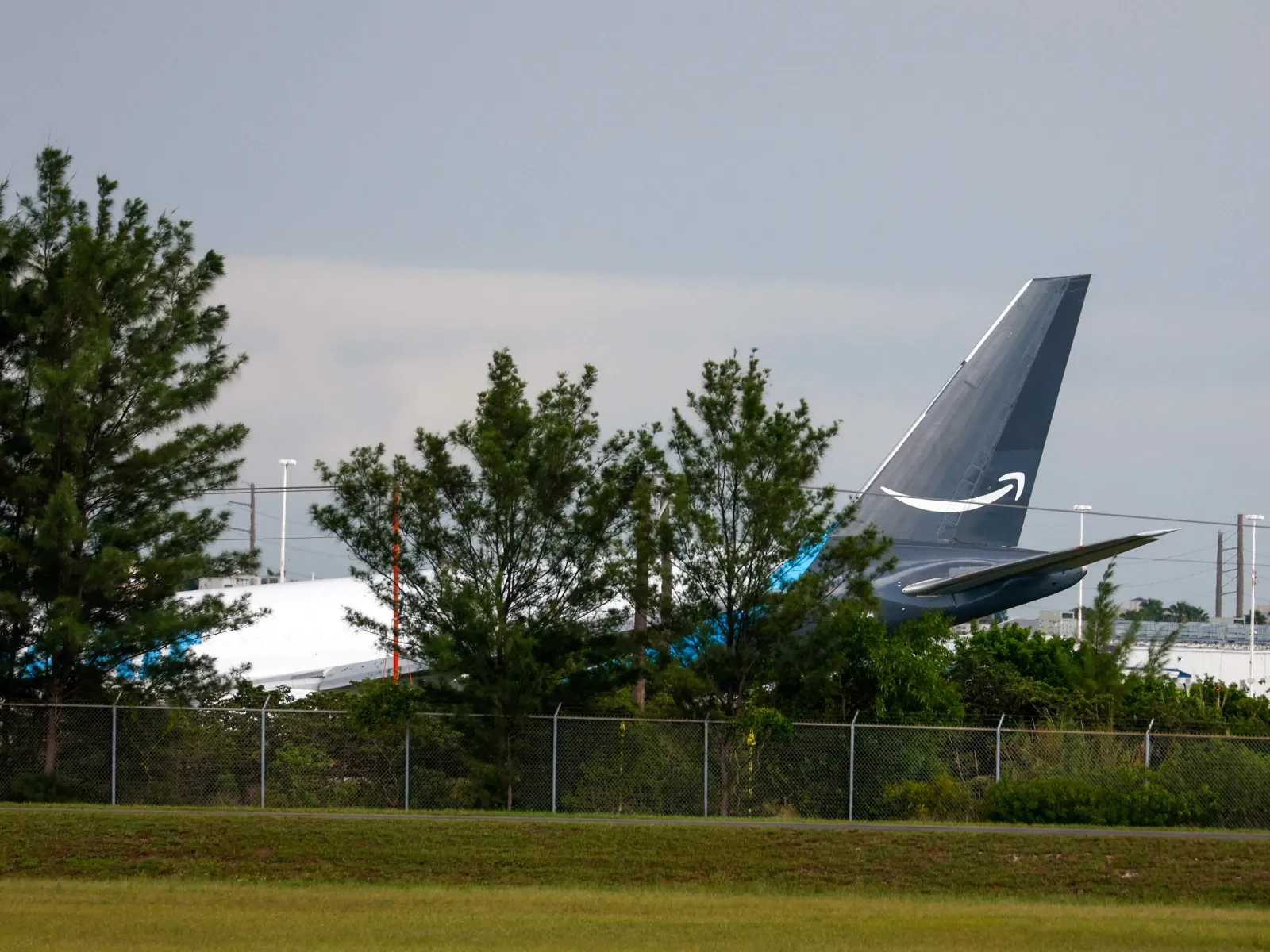
Amazon Prime Air 767 overshoots Miami runway, killing at least 5
The Boeing 767 freighter from San Juan struck vehicles and erupted in flames, prompting a ground stop and a fresh NTSB investigation into Amazon's air cargo network.
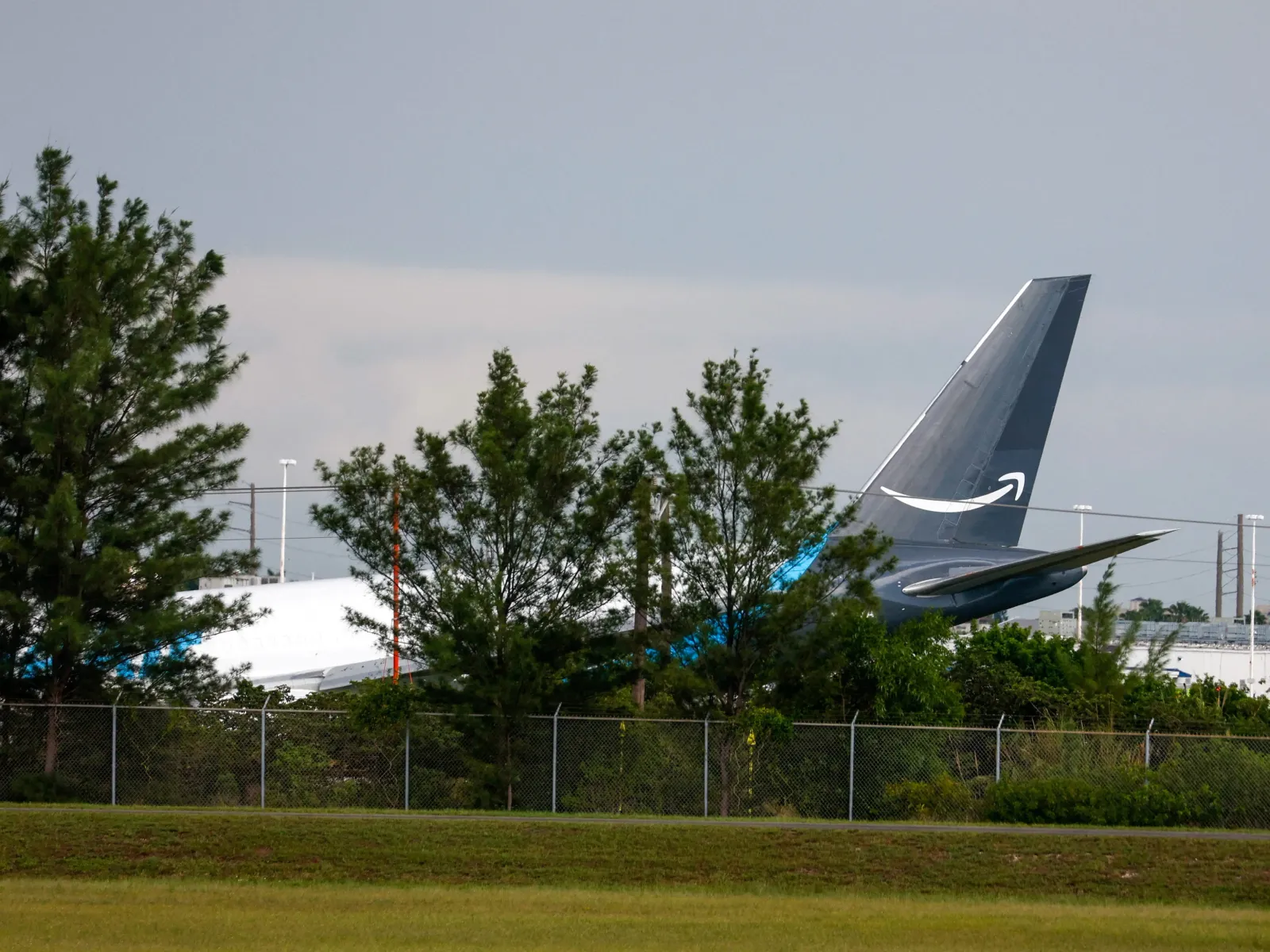
Amazon Prime Air 767 overshoots Miami runway, strikes vehicles, catches fire
The Boeing 767, operated by 21 Air, was arriving from San Juan when it overshot the runway, triggering a ground stop and multiple injuries.