
Seth Rogen: Superbad’s 2007 script deal scheduling would never survive today’s risk-averse studio process
He says studios now demand actors, director, and “big enough names” first, flipping how indie-feeling comedies get greenlit.
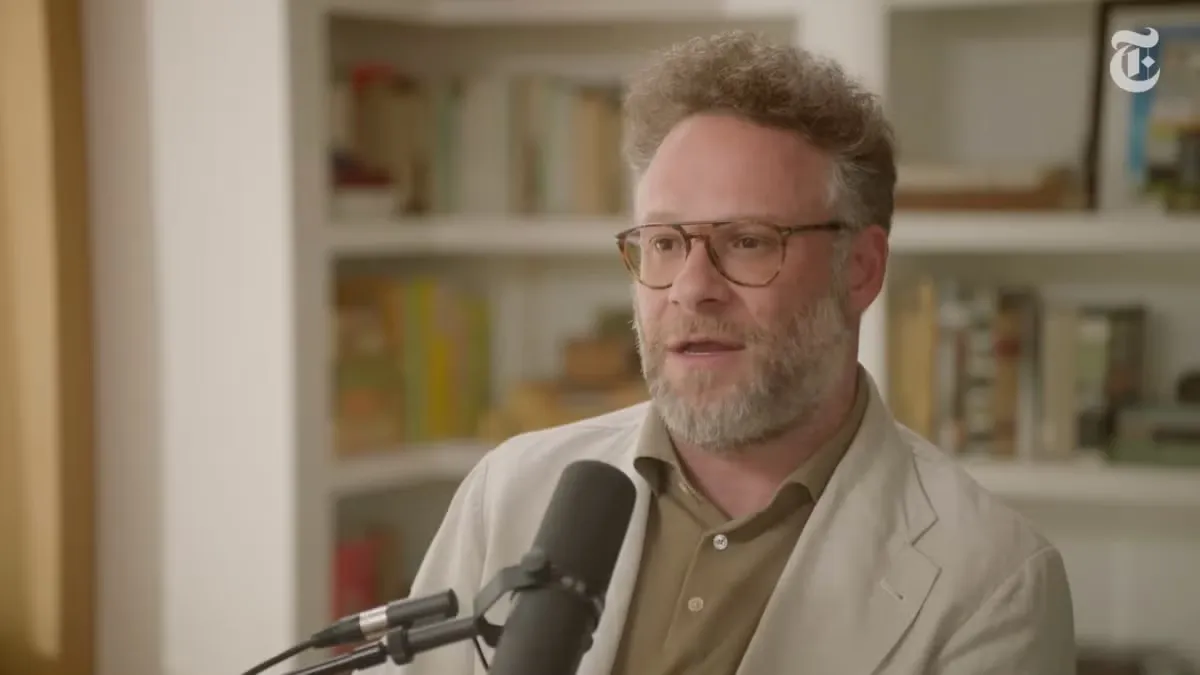
Seth Rogen says that when “Superbad” was made, the studio bought the script, set a $20 million budget, selected a director, and dictated a release timetable. He argues that in 2026 that exact workflow would not happen because studios now require key parts to be in place before taking the risk of making the film.
Seth Rogen is basically describing the difference between Hollywood in 2007 and Hollywood today with one blunt claim: “Superbad” would “never in 100 million years” get made the way it was. On an episode of “The Interview” released Saturday, Rogen laid out how the studio process used to work, then explained why that sequencing is almost impossible in the modern, risk-averse model.
Rogen’s timeline is specific. When he and his team made “Superbad,” the studio “bought our script,” “hired a director,” set a “$20 million budget,” and told the filmmakers when it would start shooting, with the movie slated to “come out in August of the following year.” Then comes the part that sounds simple, but defines the whole vibe: the cast and director were then found, and the film was “made according to their schedule” before it was “released on the date they chose.” In Rogen’s telling, that end-to-end control by the studio, before the movie was fully assembled with star power and all decision-signals, is exactly what would not pass muster today.
Why? Because Rogen says studios now treat greenlighting like a checklist, not a leap of faith. “That would never happen today in 100 million years,” he said, arguing that “No studio, would just buy a script, give it a release date, cast it and then make it.” In his view, the current standard is that studios will not decide to make the film until “everything has to be in place.” That includes basic creative answers like “Who’s the director?” and “Who are the actors?” but also the commercial math behind those choices: “Are they famous enough? Do they have big enough names?”
The consequence of that shift is that “risk aversion” becomes a production driver, not just a behind-the-scenes philosophy. If the actors attached to a project are not seen as “right,” Rogen says the studio will push for change, even to the shooting schedule itself. He explained that studios will sometimes swap in different cast and adjust timing because the studio believes “these actors will get us more money than these actors.” That can mean the “more commercial” performers are chosen over the “funniest actors for the role,” forcing writers, directors, and producers to navigate an “incredible process” to get to the final shape of the movie.
This is where “Superbad” becomes more than a nostalgia hit. The 2007 comedy starred Rogen alongside Jonah Hill, Michael Cera, Christopher Mintz-Plasse, Emma Stone, and Bill Hader. Hill and Cera play Seth and Evan, two teenagers who want to lose their virginity before graduating from high school. The film was also Stone’s film debut. When you line that up with Rogen’s argument about how studios work now, the point lands: the kind of breakthrough, creator-led comedy that could be made when the script was the central asset, and casting could follow later, is much harder in a system that demands known names and locked components before it commits.
For decision-makers, the second-order implication is awkward in the best way. If studios require directors and actors to be attached first, then projects become more dependent on celebrity leverage early in the pipeline, not on script strength alone. That affects development strategy, investor expectations, and board oversight, because the risk is redistributed from “will this concept land?” to “can we secure attachments that satisfy commercial gatekeepers?” It also raises the barrier for emerging talent. Rogen’s mention of Stone’s film debut is a reminder that the old system could create breakout careers because casting and discovery could happen within a studio timetable, not only through pre-packaged star vehicles.
So what should operators and investors take from Rogen’s “never in 100 million years” framing? If you run a studio, production company, or financing group, his comments suggest greenlights increasingly hinge on what can reduce uncertainty up front: director identity, actor recognizability, and the commercial prospects those names are expected to deliver. In other words, “Superbad” is not just a movie story, it is a case study in how Hollywood schedules, development incentives, and attachment requirements can quietly determine which creative risks survive from script to screen.
This story's Key Insights and Take-aways are locked.
Create a free account to unlock Executive Actions for one credit.
Register to UnlockAlways free for Executives Club members. Join the Club
More in Entertainment

Russell Brand's accuser 'bewildered and confused' as he denies 7 sex charges
The criminal case against the comedian is a live test of how media companies manage talent risk when serious allegations go public.

'It's a Magic Trick': Ballet Experts Say Rosalía's SNL Pose Is Impossible
Three ballet experts tell Rolling Stone Rosalía's gravity-defying SNL stillness shouldn't be possible - and why the debate is now part of the show.

Activision CMO: GTA 6 Will Boost Call of Duty, Not Bury It
Activision's top marketer says Rockstar's blockbuster will drive players back to consoles and into Modern Warfare 4, even as the company admits its recent strategy failed.