
Sharon Osbourne shuts down AI Ozzy “cash grab” claims: “I don’t need your fucking money”
As the Osbournes build an AI avatar of Ozzy, Sharon Osbourne frames the project as fan-first, not fundraising-first.
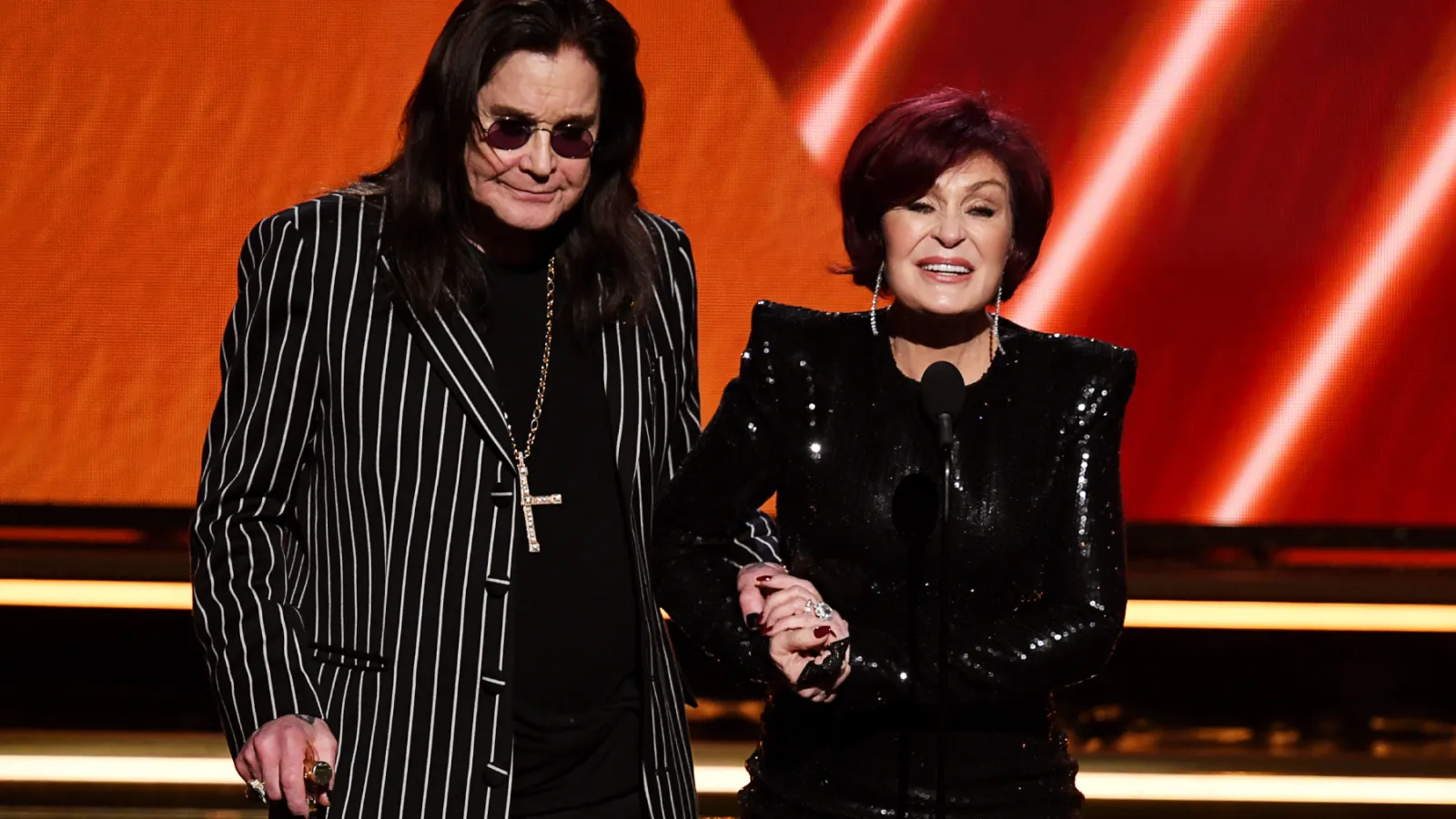
Sharon Osbourne and the Osbournes announced earlier this year that they are developing an AI avatar of Ozzy Osbourne, the Prince of Darkness. The public dispute is a reminder that AI celebrity projects live or die on trust, licensing clarity, and reputational risk.
Sharon Osbourne did not mince words about the AI Ozzy project. The Osbournes announced earlier this year that they are developing an AI avatar of Ozzy Osbourne, and Sharon addressed accusations that the effort was just a “cash grab.” Her reply, captured in Rolling Stone, was blunt: “I don’t need your fucking money.”
That sentence matters because it frames the entire business problem in plain English. When you build an AI likeness of a living (and extremely famous) person, the questions are not just technical. They are also human, emotional, and reputational. Are you exploiting someone’s identity for easy revenue, or are you honoring a legacy in a way that fans actually want?
From an executive standpoint, this is the tension most AI content bets have trouble surviving. Even if a company believes the project is legitimate, audiences and critics tend to look for motives. In industries like music and entertainment, “motive” is not a sidebar, it is part of the product. The Osborne family is trying to preempt that narrative early, by putting a voice on the project and setting the tone that it is not about taking advantage.
Also, consider what it says about who holds the steering wheel. Sharon Osbourne is not a random commenter on an internet thread. She is publicly associated with the Osbournes, and her statement signals that the family is actively managing perception, not waiting for media cycles to sort it out. In other words, the project is not only about building an AI avatar. It is about who gets to define the avatar’s purpose before outsiders define it for them.
Now zoom out to the broader AI landscape. AI avatars, synthetic media, and digital replicas are moving fast, but the incentives around them are messy. There is money in novelty. There is also money in authenticity. The same technical capability can look predatory if it is perceived as monetizing a person’s image without adequate context. That is why public-facing statements often become risk controls: they are a way to lock in narrative guardrails while the underlying system is being developed.
There is also a regulatory and policy backdrop that entertainment executives cannot ignore. Across jurisdictions, regulators and lawmakers have increasingly focused on identity, consent, and disclosure. Even when a specific case has not triggered a rule change, the direction of travel affects how boards think about liability and compliance. For example, if an AI avatar generates content that is likely to be mistaken for real performances, organizations may face heightened scrutiny over how they inform audiences. While the Rolling Stone source here does not add regulatory details, the general governance lesson is unavoidable: in AI likeness projects, the paper trail and consent framework are part of the product.
Boards and leadership teams typically evaluate these initiatives on more than “can we build it.” They ask: 1) Who owns the rights to the underlying likeness and performance style being replicated. 2) How the project will be monitored to prevent misuse. 3) Whether the public messaging reduces the risk of backlash and boycotts. 4) How quickly the organization can correct course if sentiment turns.
The Sharon Osbourne response, “I don’t need your fucking money,” is a messaging attempt to de-risk item number four. It is also an implicit attempt to settle item number one in the public imagination: the family is positioning itself as an originator, not an opportunist. That is important because synthetic media projects can attract third parties who want in on a person’s fame. When the primary stakeholders speak first, they can shape who is seen as authorized.
Second-order implications for peers are immediate. Any executive considering an AI avatar, AI narrator, or synthetic content initiative tied to a recognizable individual should treat public skepticism as part of the timeline. Media scrutiny does not wait for technical demos. It shows up the moment the project is announced, and it can harden into a reputational issue that costs more to unwind than it would have cost to address upfront.
Finally, this story is a reminder that entertainment is not just a content marketplace. It is a trust marketplace. The Osbournes announced earlier this year that they are developing an AI avatar of Ozzy Osbourne. Sharon’s message is essentially a trust statement to the audience and to critics: the family is not doing this because they are desperate for cash. Whether that persuasion lands will depend on what the avatar ultimately produces. But the strategic stakes are clear today: in AI celebrity projects, the launch is as much about consent and credibility as it is about code and creativity.
This story's Key Insights and Take-aways are locked.
Create a free account to unlock Executive Actions for one credit.
Register to UnlockAlways free for Executives Club members. Join the Club
More in Entertainment

Entertainer Russell Brand denies 7 sex charges amid accuser's 'couldn't breathe' claim
The alleged victim's account sharpens the reputational and legal stakes for Brand, his platforms, and any business tied to a public figure under criminal scrutiny.

Russell Brand's accuser 'bewildered and confused' as he denies 7 sex charges
The criminal case against the comedian is a live test of how media companies manage talent risk when serious allegations go public.

'It's a Magic Trick': Ballet Experts Say Rosalía's SNL Pose Is Impossible
Three ballet experts tell Rolling Stone Rosalía's gravity-defying SNL stillness shouldn't be possible - and why the debate is now part of the show.