

Shein clears HK listing hearing as valuation halves under $50B, sources say
After New York and London IPO attempts stalled, Shein’s Hong Kong step moves the fast-fashion giant closer to listing.
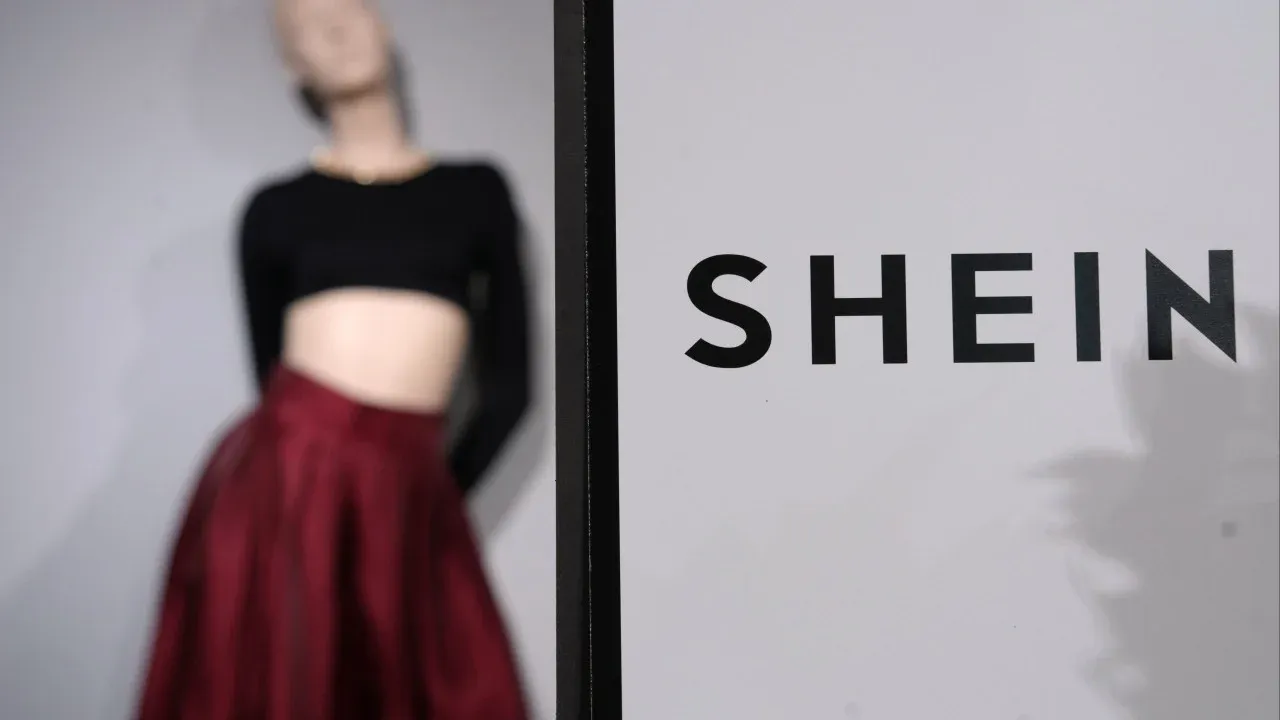
Shein, the Singapore-headquartered fast-fashion company founded in China, cleared its Hong Kong listing hearing with HKEX, according to people familiar with the matter. For decision-makers, the valuation downshift and the stalled prior routes in New York and London sharpen the stakes around where the next China-adjacent listing liquidity will land.
Shein has cleared its listing hearing with Hong Kong Exchanges and Clearing, according to people familiar with the matter, according to SCMP. The company attended the hearing with HKEX on Thursday, putting it one step closer to an initial public offering after earlier attempts to float in New York and London stalled.
The timing is the latest twist in Shein’s IPO saga, and the valuation matters: SCMP reports that Shein’s valuation has halved to below US$50 billion, citing sources. In plain English, that is a big enough reset to change how investors underwrite risk, how executives price uncertainty, and how markets judge whether the next big consumer-tech moment is really a growth story or a valuation story.
To understand why a “hearing cleared” headline is more than administrative progress, zoom out to what IPO paths actually look like. A listing hearing is part of the process where a stock exchange and regulators scrutinize the issuer’s structure, disclosure, and compliance readiness before trading goes live. HKEX declined to comment on individual listings, while Shein did not immediately respond, but the key point remains: the company has moved past one of the gating steps toward a Hong Kong listing.
This is not Shein’s first attempt to go public. SCMP notes that attempts to float in New York and London stalled. That matters because each market has its own investor base, listing standards, and scrutiny style. When capital markets stall an IPO, executives usually do not just “wait it out.” They adjust pricing expectations, sharpen the story, and revisit market access. A valuation cut to below US$50 billion signals that the market may be pricing risk more aggressively than earlier estimates, even if demand for the product is still strong.
Shein is Singapore-headquartered and was founded in China, which places it at the intersection of cross-border regulation and investor scrutiny. Hong Kong has historically been a key venue for listings tied to China-linked businesses, but the modern version of that story is not just about geography. It is about governance expectations, disclosure, and the ever-present question investors ask: “What exactly are we buying exposure to, and how reliably can the company explain it?” A listing hearing in Hong Kong is essentially the exchange testing whether the issuer can meet those expectations.
For investors and boards, the second-order implications start with valuation. When a company’s valuation halves, it is not only about what insiders may or may not earn. It changes what goes on behind the scenes at the company level. Management teams must manage expectations across shareholders, employees, and future fundraising. Boards also have to consider whether a lower valuation reflects changing growth assumptions, higher perceived regulatory or operational risk, or both.
It also affects the competitive landscape. Online fast-fashion is a crowded sector, and the capital markets tend to reward scaling narratives when there is room for new entrants to become category leaders. If Shein’s IPO valuation is under pressure, that can influence how other companies in similar business models think about timing, jurisdiction choice, and whether to pursue primary listings or alternative paths. A successful Hong Kong listing, even after stalled routes elsewhere, tells the market that there is still a path to liquidity. But the “below US$50 billion” figure tells everyone that the path is not frictionless.
There is another operational implication too: the market may treat “clearing the hearing” as an eligibility signal, not a pricing signal. Clearing a hearing does not automatically mean the final IPO terms will be generous. It just means the company has reached the next phase of the process. Executives should be prepared for the later steps, where pricing, deal structure, and final regulatory comfort meet investor sentiment. With HKEX declining to comment and Shein not immediately responding, the uncertainty around timing and exact next steps is likely to remain until more information becomes public.
Still, the direction of travel is clear. Shein attended the HKEX listing hearing on Thursday, sources say it has cleared that hearing, and SCMP frames this as a step closer to an IPO after New York and London stalled. For decision-makers, the strategic takeaway is simple: when a company like Shein resets its valuation and still keeps moving forward in Hong Kong, it is effectively testing whether the liquidity gap for high-growth, cross-border consumer stories is wide enough to reopen. And for peers watching from the sidelines, that is a signal worth treating seriously.
This story's Key Insights and Take-aways are locked.
Create a free account to unlock Executive Actions for one credit.
Register to UnlockAlways free for Executives Club members. Join the Club
More in Business

Uber buys Delivery Hero for nearly $15B, vaulting to top food delivery outside China
The deal doubles Uber's dual-services footprint and pushes a ride-and-eats bundling play into 50 more markets.

Epic and Google drop settlement bid, forcing rival Android app stores by July 22
Google told the court it is ready to carry third-party app stores starting Wednesday, July 22.
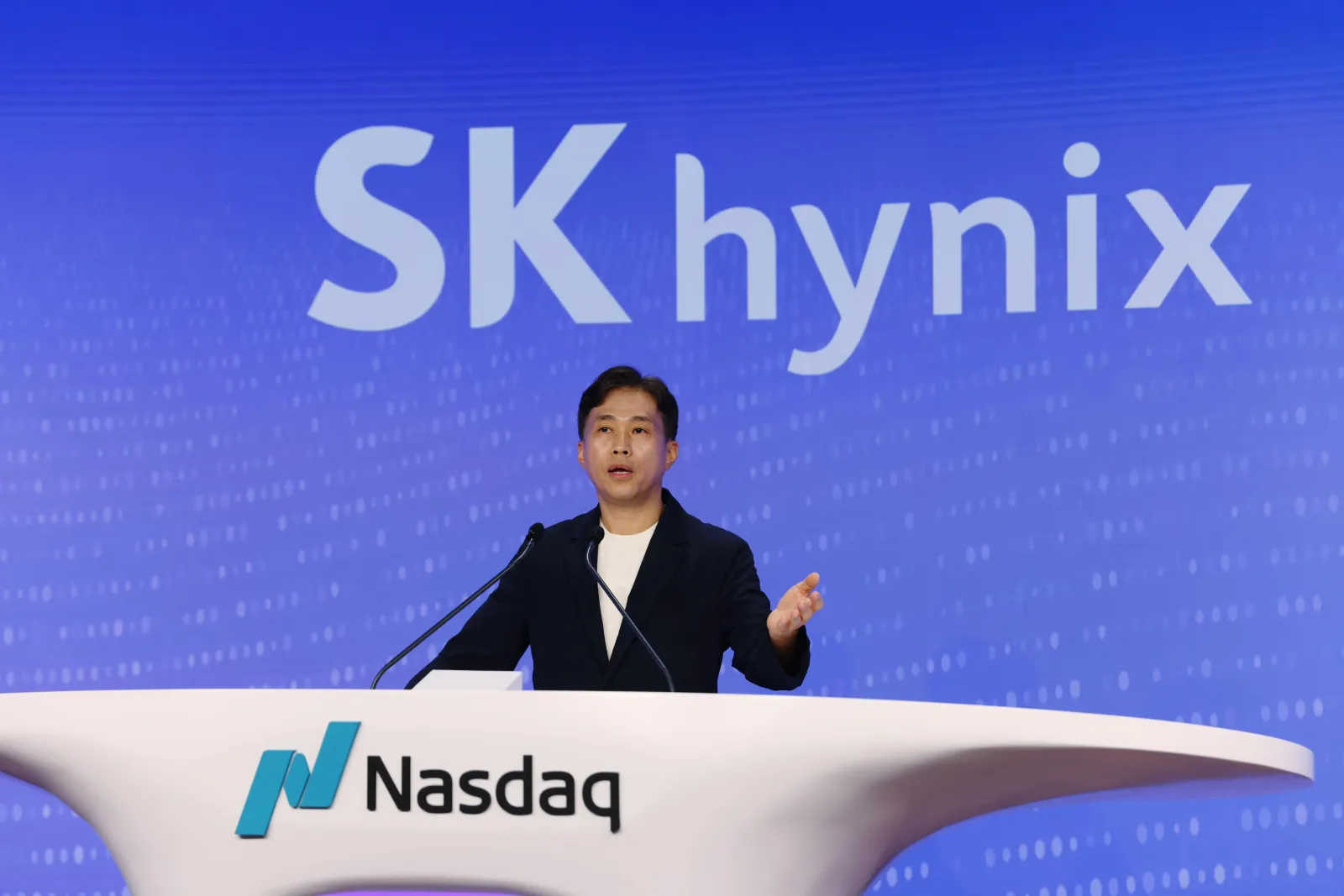
SK Hynix opens at $170, raises $26.5B, and tops foreign IPO records
In Friday's Wall Street debut, SK Hynix turns AI RAM demand into a $26.5B fundraising moment that rewrites comps.