

Sheinbaum refuses to arrest Sinaloa’s Rocha, testing how far Trump will go
A New York extradition fight over 10 indicted Mexican officials turns into a stress test for U.S.-Mexico pressure.
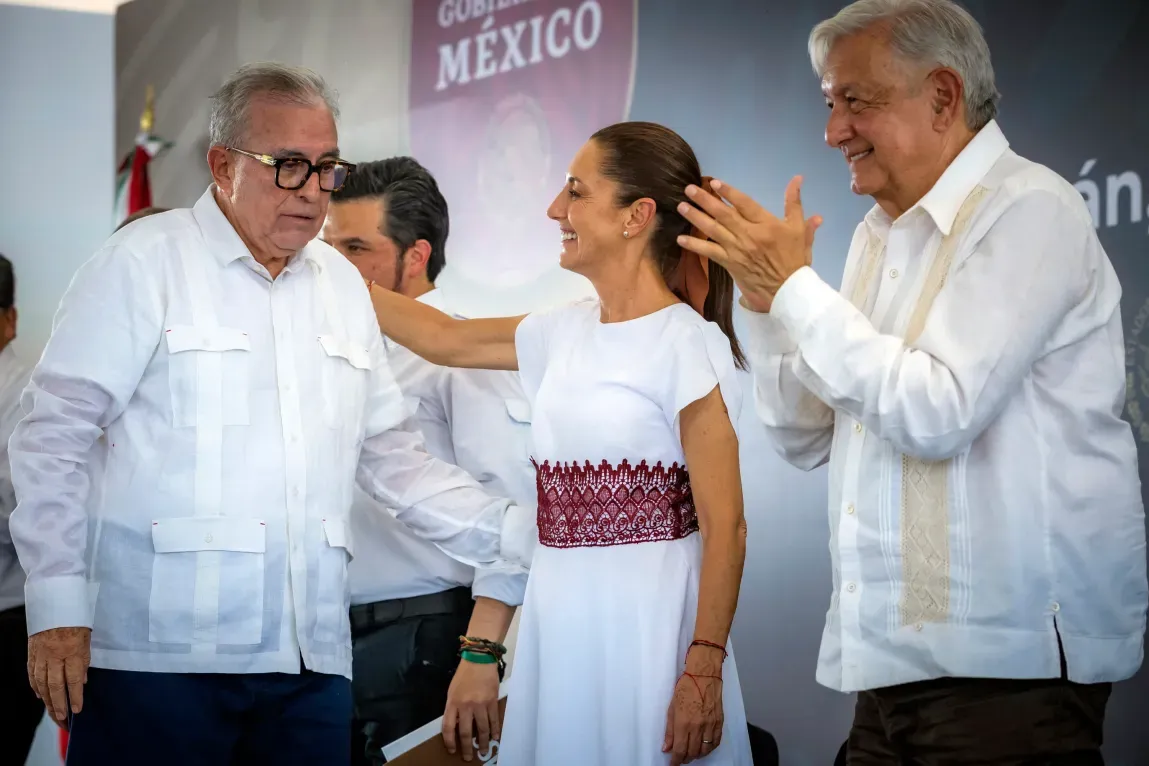
President Claudia Sheinbaum has refused to arrest and extradite Sinaloa governor Rubén Rocha Moya after U.S. indictments were announced April 29, including him. The standoff forces Trump administration officials to decide whether to escalate economic and diplomatic pressure to an extent that could jeopardize cooperation.
President Claudia Sheinbaum has said no to the U.S. request to arrest and extradite Rubén Rocha Moya, the governor of Mexico’s Sinaloa state, despite the U.S. charging him with drug corruption. The decision lands in a wider impasse over 10 current and former Mexican officials indicted in a New York federal court after prosecutors announced those charges on April 29. U.S. Justice Department officials have not yet presented a full picture of their evidence against Rocha and the others, and Mexican officials say Sheinbaum has taken a hard-line stance anyway. “She is very clear about this,” a senior Mexican official said of the U.S. extradition request. “She has decided no.”
This is more than a legal disagreement. It is, per ProPublica’s reporting, a potential make-or-break test of how far the Trump administration will push to fight a drug trade that has long depended on corruption inside Mexico’s political system. The U.S. has already escalated pressure for months, including threats to strike unilaterally at Mexican drug traffickers and threats of harsh economic penalties if Mexico would not join forces against the trade. The core question now is whether U.S. prosecutors and the White House will treat Sheinbaum’s refusal as a red line or as something they can still wear down.
To understand why this confrontation matters, you have to look at the incentives on both sides. In the U.S., some senior Trump administration officials, especially in the Justice Department and the White House, view targeting high-level corruption as the “crucial next step.” Their argument, as ProPublica reports, is that U.S. prosecutors should go aggressively if Mexico will not. The logic is straightforward: tactical raids can disrupt operations temporarily, but corruption that protects traffickers sustains the machine. If you attack the enablers, you reduce the machine’s ability to run.
But U.S. officials also acknowledge privately that the intensified counter-drug campaign has emphasized tactical strikes and short-term gains more than a coherent long-term strategy to undermine organized crime groups, confront endemic corruption, or strengthen Mexico’s criminal justice system. That mismatch is where the political risk grows. On the Mexican side, ProPublica reports that some diplomatic and intelligence officials are wary of pushing Sheinbaum too hard because her position is “precarious.” Their concern is blunt: demanding she take on her own party’s old guard could prompt her to pull back on Mexico’s cooperation with U.S. drug enforcement and immigration policies.
This is where the story connects to Mexico’s internal politics. ProPublica frames the impasse through a question that “continues to obsess Mexico’s political class” nearly two years into Sheinbaum’s presidency: how much independence she really has from her political patron, former President Andrés Manuel López Obrador, who remains a commanding figure within their National Regeneration Movement (Morena). López Obrador publicly reignited the debate on June 3 with a blistering attack on the New York indictments, claiming U.S. officials were using drug corruption as a pretext to undermine Morena and help the rightist opposition. He wrote that some U.S. officials are plotting to weaken Morena and strengthen the rightist opposition with “interventionist designs,” describing the feared outcome as a “submissive, corrupt, mafioso and cruel government.”
Sheinbaum tried to downplay it respectfully, but Mexican officials and analysts cited by ProPublica say López Obrador’s message did not erase suspicions that he still pulls strings. The reporting also offers a central interpretation for Sheinbaum’s unyielding stance: if accused officials cooperate with U.S. authorities in the Sinaloa case, the Trump administration could target other Morena leaders, including key allies of López Obrador. One Mexican security expert, Eduardo Guerrero, is quoted saying the message from López Obrador was essentially: “Claudia, you have to stop this or they are going to destroy us.” Guerrero’s warning also runs in the opposite direction: the longer Sheinbaum waits to turn Rocha over, the tougher U.S. punishment could become.
The pressure has a backstory, too. When Rocha was elected in 2021 as governor of Sinaloa, a stronghold of Mexico’s drug trade for nearly a century, he was known as a skilled political operator and a close friend of López Obrador. Yet his campaign was assailed by opposition parties and civic groups for what they described as the blatant role criminal gangs played on his behalf, including intimidating voters, stuffing ballot boxes, and kidnapping and threatening numerous opposition candidates. Rocha and Sheinbaum defended him. He insisted during the campaign that it would be impossible to govern the state without coordinating in some way with the traffickers, saying, “You have to find a way to do it.”
The indictment backdrop also ties to the July 2024 episode involving Ismael Zambada García and Joaquín Guzmán López. Zambada was known as a longtime partner in the Sinaloa cartel and had been kidnapped outside Culiacán, according to a statement released by his lawyer. That statement says Zambada was lured into a meeting with Rocha and Sinaloa congressman Héctor Cuén, who supposedly wanted him to mediate a dispute. Instead, Zambada claimed he was betrayed by Guzmán while Cuén was murdered. U.S. authorities then received both Zambada and Guzmán López: Guzmán López flew Zambada across the U.S. border and delivered him to U.S. agents on an airstrip in New Mexico, while also surrendering himself. Rocha denied any involvement, stating he was traveling in Los Angeles at the time, and a spokesperson for the state government declined to comment on the accusations.
So what is the “test” really testing? It is testing the boundary between law enforcement cooperation and political coercion. U.S. officials want to treat corruption as the next decisive battleground. Sheinbaum, at least for now, is treating extradition and arrest as a sovereign and political choice that she will not concede. For executives and boards, the second-order lesson is familiar even outside geopolitics: when pressure rises, the biggest risk is not a single enforcement action, it is the breakdown of the relationship that enables everything else. If Sheinbaum’s “no” triggers escalation that derails cooperation, the entire strategy shifts from dismantling networks to managing diplomatic fallout. In other words, everyone may still be “fighting drugs.” But the outcome depends on whether the fight keeps its focus, or spreads into a higher-stakes confrontation where cooperation itself becomes the currency.
This story's Key Insights and Take-aways are locked.
Create a free account to unlock Executive Actions for one credit.
Register to UnlockAlways free for Executives Club members. Join the Club
More in Politics

Hochul signs New York data center moratorium, halting permits over 50MW for a year
The first statewide pause targets hyperscale expansion, buying time for new rules while a stricter bill waits.
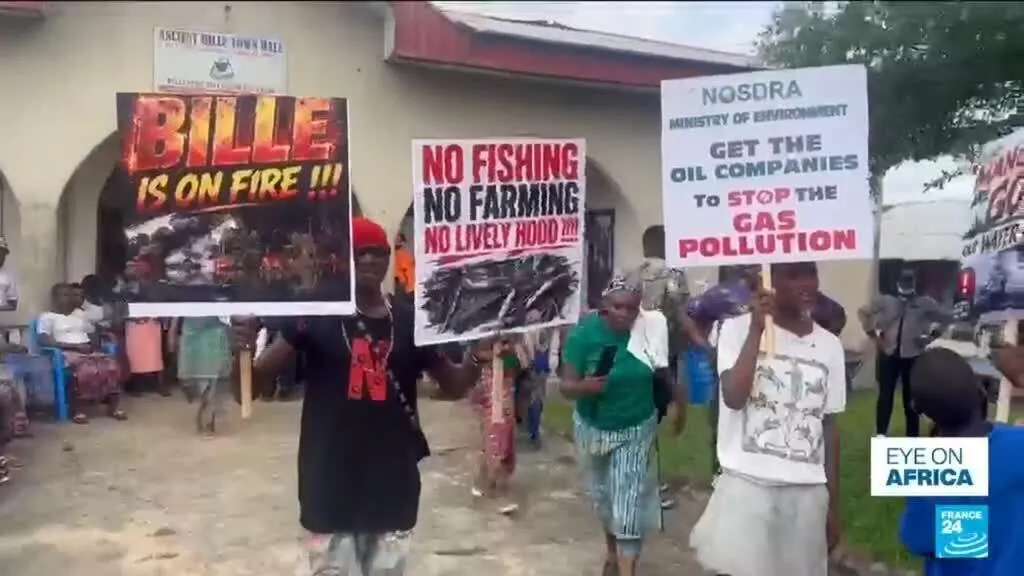
Niger Delta residents in Billé protest toxic flammable gas leaks, demand government action
Communities say months of ground gas leaks are poisoning water, killing fish, and threatening livelihoods.

Sudan sentences Hemedti to death in absentia over West Darfur atrocities
A Sudanese court hands down a death sentence for war crimes, crimes against humanity, and genocide, spotlighting legal and political risk.