
Silent Hill: Townfall arrives Sept 24 alongside heavyweights fleeing the GTA 6 disaster
To avoid November's behemoth, five major titles are now stacking into the same month-creating new risks for publishers betting on the early holiday window.
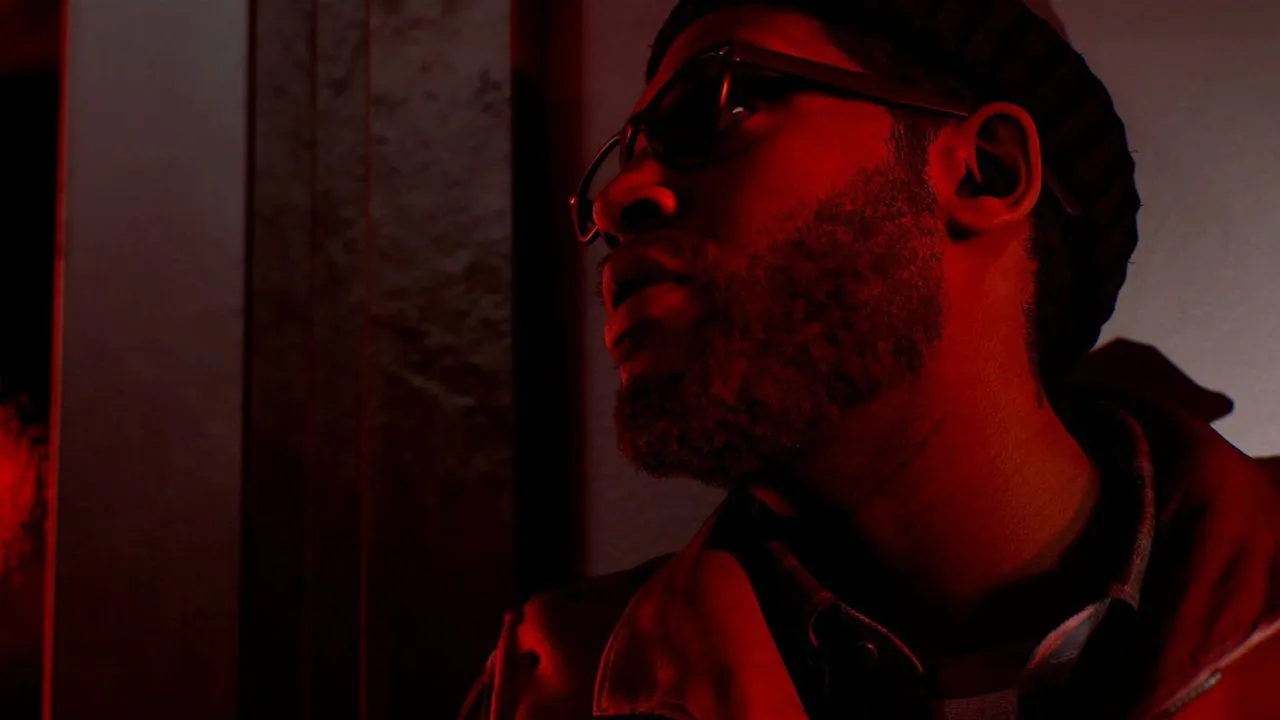
Konami confirmed Silent Hill: Townfall will launch September 24, joining Blood of the Dawnwalker, Marvel's Wolverine, Dawn of War 4, Control Resonant, and Onimusha in a month bloated by publishers fleeing Grand Theft Auto 6's November shadow. For studios and investors, this mass migration turns a smart defensive move into a new collision risk-same-day head-to-head matchups now threaten launch sales and live-service retention.
Silent Hill: Townfall now has a release date of September 24, confirmed during Sony's State of Play presentation. It arrives almost exactly one year after Silent Hill f marked the full return of the classic horror franchise. But the date itself is less a statement about the game and more a signal about the industry's biggest unspoken calculation: how far is far enough from Grand Theft Auto 6?
Five significant titles are now anchoring in September. Blood of the Dawnwalker, the new RPG from the creators of The Witcher 3, launches September 3. Marvel's Wolverine arrives September 15 as a PS5 exclusive. Warhammer 40,000: Dawn of War 4 lands September 18. Then the real crunch hits: Control Resonant and Silent Hill: Townfall both release on September 24-a direct same-day collision of two narrative-driven triple-A games. Onimusha: Way of the Sword follows on September 25. That is five blockbusters (plus one RTS, if you count Dawn of War 4) compressed into a single month.
The root cause is simple: November belongs to GTA 6. Rockstar's title is the gravitational center of the holiday season, and publishers have learned from years of battlefield analysis that launching within six weeks of a Rockstar behemoth is a recipe for a buried marketing spend. By giving that monster a wide berth, the rest of the calendar's heavy hitters are now squeezing into the early fall window. The result is an awkward, self-inflicted bottleneck.
Consider the math of September 24. Control Resonant and Townfall both target the same core demographic: adults who want atmospheric, narrative-heavy, slightly off-kilter single-player experiences. A gamer with a finite budget and finite weekend hours will likely pick one. Each title is now betting that strong pre-release hype can overcome the direct overlap. But hype is a finite resource too-streamers, review outlets, and social media algorithms can only spotlight so much at once. The worst-case scenario for both studios is that neither breaks through and both underperform their internal projections.
This is not simply a scheduling quirk. It reflects a structural tension in the industry: blockbuster development cycles run three to five years, but the safe release windows shrink as the biggest games get bigger. GTA 6 is expected to generate over $3 billion in its first year. Its shadow now stretches across the entire fourth-quarter calendar, forcing rational publishers to either accept a launch burial or pile into a crowded alternative. The latter choice is rational for each individual studio, but collectively it creates a new Prisoner's Dilemma. If everyone moves to September, no one benefits from the move.
For investors and executives, this clustering introduces new risk vectors. Launch week sales are a critical metric for publicly traded publishers who report quarterly results; a miss in a crowded window can spook analysts even if the game is good. Marketing costs also tend to inflate when multiple titles compete for the same ad inventory and influencer slots. And for live-service bets, a launch that fails to reach critical mass in its first week may never recover, especially if a competitor's game hooks the same player base first.
The real strategic question for any studio planning a 2026 or 2027 release: how long will the GTA 6 shockwave last? If Rockstar's online mode (GTA Online 2.0, effectively) keeps players engaged for 18-24 months, the safe windows may not return to normal until 2028. That means the current stampede out of November is not a one-off-it could become the new normal, and studios that do not plan their calendars accordingly will face the same dilemma every cycle.
This story's Key Insights and Take-aways are locked.
Create a free account to unlock Executive Actions for one credit.
Register to UnlockAlways free for Executives Club members. Join the Club
More in Entertainment

Christopher Nolan’s “The Odyssey” posts his biggest Tuesday haul, surpassing “The Dark Knight’s” record
The film’s Tuesday breakout reframes Nolan’s box-office ceiling and forces competitors to rethink timing, budgets, and release strategy.

Kacey Musgraves cancels Aug. 20, 29, Sept. 2 Middle of Nowhere shows
Ticketmaster emails are telling fans refunds are coming, while the tour still starts Aug. 21 in Chicago.

Billie Joe Armstrong launches Epiphone Les Paul Junior and Marshall 1959BJA signature gear
Two limited releases turn decades of Green Day’s tone into branded hardware, including Marshall’s first artist amp in 14 years.