
Singapore bets on care tech as aging accelerates, turning health innovation into a race
From funding to regulation, the city-state is pushing tech-enabled care to meet an unusually fast demographic clock.

Singapore is ramping up care technology as the country ages rapidly, with policy and industry momentum aimed at improving eldercare. For decision-makers, the consequence is clear: health innovation is moving from pilot projects to a competitive, regulated, and capital-intensive race.
Singapore’s care tech race is heating up, and it is not happening in slow motion. The core driver is blunt: the city-state is aging rapidly, so the time horizon for solving eldercare is shorter than in most places. When your demographic math changes faster than your procurement cycles, innovation stops being a side quest and becomes an operating requirement.
That urgency shows up across the ecosystem. Care technology in Singapore is being positioned as a practical response to higher demand for healthcare and support for older adults, not just as a gadget layer on top of existing services. The pitch is straightforward: deploy tech that can help deliver care more effectively and manage constraints in a system that cannot simply hire its way out of demographic pressure. If you are a board member or investor, the subtext matters, because it changes how you think about timelines, adoption risk, and who will get funded first.
To understand why this race is so intense, it helps to know what kind of industry healthcare care tech is. In many markets, health innovation often gets stuck in the middle: promising pilots, long regulatory timelines, reimbursement uncertainty, and adoption barriers inside hospitals and care providers. Singapore has historically tried to shorten those loops by treating healthcare modernization as a national priority and by working to create clearer pathways for new solutions. When a regulator and policymakers frame tech-enabled care as part of meeting system capacity needs, the incentives shift. Vendors move from “prove it works” to “prove it fits the workflow, the evidence standards, and the long-term sustainability equation.”
Aging rapidly also turns the strategy question from “Do we need care tech?” into “Which type of care tech scales, and who can integrate it?” In practical terms, boards should expect competition to concentrate in areas where technology can reduce friction. That can include remote monitoring and coordination, data-driven care management, and tools that help providers triage and personalize support for seniors. Even if a product is technically impressive, the winners are usually the ones that can be operationalized inside real care settings. In a city-state with dense demand and finite care capacity, integration is not optional. It is the whole game.
There is a second-order implication that matters to executives: rapid aging can compress the funding cycle. When demand is clearly rising, capital tends to flow toward solutions that can demonstrate measurable impact sooner, whether through outcomes, operational efficiency, or reduced burden on caregivers and staff. That can create a “race for credibility,” where companies try to lock in partnerships, secure deployment sites, and align with national priorities early. For investors, that means diligence has to go beyond technology and into execution readiness, implementation timelines, and the pathway to scale. For executives at care providers, it means vendor selection becomes a strategic capability, not a shopping trip.
Regulation and policy framing also influence how companies design their go-to-market. Care tech touches sensitive data, patient safety, and clinical decision-making. In regulated environments, companies cannot treat compliance as a late-stage checklist. They need a compliance strategy that matches how Singapore expects solutions to be evaluated and adopted. That tends to favor teams with a strong understanding of healthcare stakeholder requirements, not just product engineering. It also raises the importance of evidence. In healthcare, “it works in a demo” is rarely enough. The system wants proof that aligns with clinical practice, operational constraints, and the ability to sustain performance at scale.
Finally, the stakes for peers are bigger than winning Singapore. Singapore’s demographic trajectory is a preview of what many other countries will face, just with different timing. When one market acts quickly, it creates lessons that travel: patterns of public-private collaboration, regulatory approaches, and adoption models. Executives watching this space should treat Singapore not as a standalone story, but as a stress test of what care technology ecosystems need to succeed. If Singapore can turn aging urgency into a pipeline of deployable care tech at scale, other markets will copy the playbook, and the competitive landscape will shift accordingly.
The bottom line is simple. Singapore’s care tech race is heating up because the city-state is aging rapidly, and the window to respond is tightening. For decision-makers, the question is no longer whether tech belongs in eldercare. It is whether your organization can move fast enough, integrate well enough, and meet the evidence and regulatory standards that determine who scales and who stalls.
This story's Key Insights and Take-aways are locked.
Create a free account to unlock Executive Actions for one credit.
Register to UnlockAlways free for Executives Club members. Join the Club
More in Business

Uber buys Delivery Hero for nearly $15B, vaulting to top food delivery outside China
The deal doubles Uber's dual-services footprint and pushes a ride-and-eats bundling play into 50 more markets.

Epic and Google drop settlement bid, forcing rival Android app stores by July 22
Google told the court it is ready to carry third-party app stores starting Wednesday, July 22.
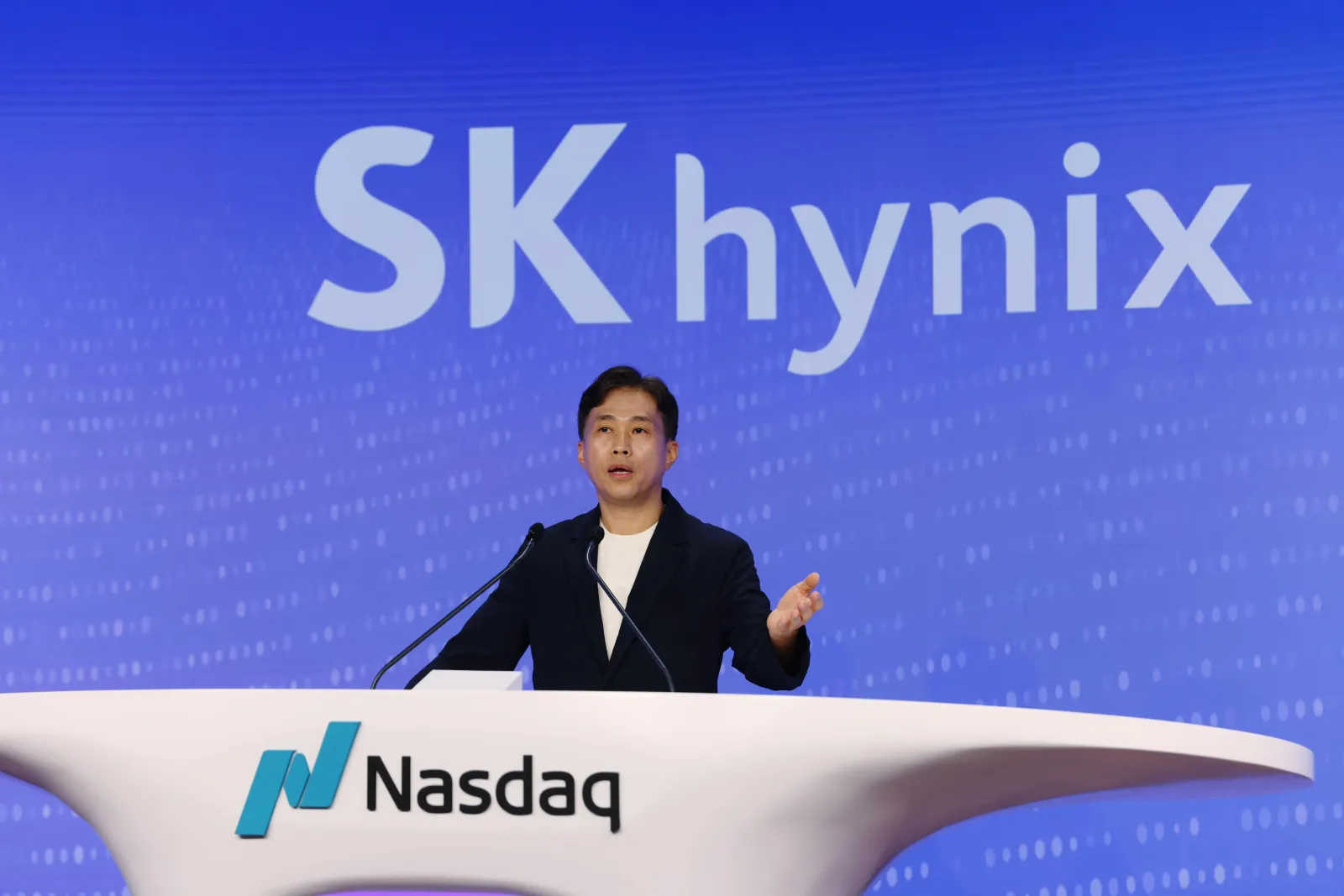
SK Hynix opens at $170, raises $26.5B, and tops foreign IPO records
In Friday's Wall Street debut, SK Hynix turns AI RAM demand into a $26.5B fundraising moment that rewrites comps.