
Slitherine buys Warhammer Blood Bowl licence from Nacon after insolvency filing
The publisher swap puts rights, back catalogue, and the upcoming Warhammer Blood Bowl into new hands.
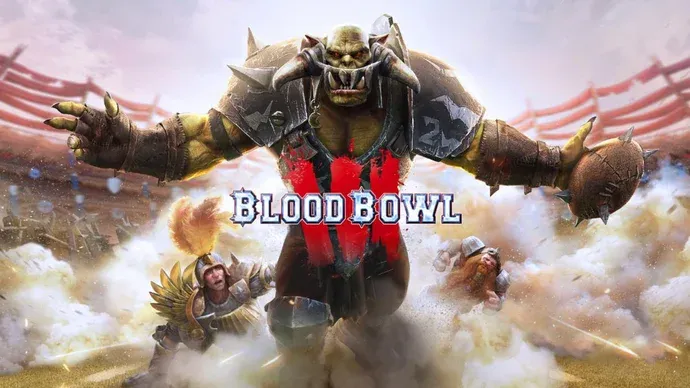
Slitherine Software acquired the Warhammer-derived Blood Bowl licence, publishing rights, and back catalogue from Nacon after Nacon filed for insolvency. Slitherine will publish the upcoming Warhammer Blood Bowl as part of the deal.
Slitherine Software has acquired the Warhammer Blood Bowl licence, publishing rights, and back catalogue from Nacon after Nacon filed for insolvency. In plain terms: the rights to keep Blood Bowl games moving, plus the existing library, have changed owners. And because the deal includes the upcoming Warhammer Blood Bowl, this is not a quiet “paper transaction.” It is a handoff that determines who ships the next title and controls the franchise’s ongoing commercial runway.
For decision-makers, the key consequence is simple. Insolvency changes who can legally publish, which companies can plan releases with confidence, and how quickly stalled products can restart. Slitherine is stepping into that gap by taking on both the franchise back catalogue and the licence to publish, and it will publish the upcoming Warhammer Blood Bowl. That combination matters because franchise publishing rights are one of the most durable assets in games. They are also some of the first things to get stress-tested when a publisher’s financial position deteriorates.
To understand why this deal is bigger than a single franchise, zoom out to how games publishing works. Licensed games often sit at the intersection of three worlds: the IP holder that grants rights, the publisher that finances marketing and distribution, and the developer that builds the game. When a publisher goes through insolvency, the practical question is not just whether the IP is valuable, but whether execution can continue. Contracts, publishing obligations, and revenue expectations can all become uncertain. That uncertainty can freeze schedules, complicate marketing plans, and reduce leverage in negotiations. A licence acquisition that includes publishing rights and a back catalogue effectively unfreezes those moving parts, at least from the perspective of the new rights holder.
Nacon filing for insolvency is the immediate catalyst, but the deeper story is what it signals to the market. Insolvency filings do not automatically mean an IP disappears. They do mean the original holder is no longer in a position to reliably steward the franchise at the pace markets expect. In that environment, other publishers with stronger balance sheets can treat the situation like an opportunity and a risk simultaneously: an acquisition can unlock revenue from existing titles and improve prospects for the next release, but it also requires confidence that the franchise chain stays intact and that the new rights holder can operate smoothly.
Slitherine’s profile helps explain why it can be a natural buyer for this kind of asset. The company is described as a “wargame and strategy specialist.” That matters because Blood Bowl is a franchise derived from Warhammer, and Warhammer fans often care about theme, rulesets, and sustained franchise engagement more than one-off novelty. A specialist publisher may be better positioned to understand the audience and to market within the niche effectively. And when you acquire a licence plus a back catalogue, you are not only preparing for one launch. You are buying the ability to market, bundle, support, and monetize a line of products already in market circulation, which can stabilize cash flows while the upcoming title ramps.
There is also an operational angle that executives should pay attention to. Publishing the upcoming Warhammer Blood Bowl means Slitherine is taking ownership of a release timeline and the commercialization work that comes with it. That includes managing the legal and administrative realities of licensing, ensuring rights are usable in the intended territories and platforms, and coordinating with internal or external teams to support the release. In insolvency scenarios, timelines can become a point of failure. The fact that Slitherine will publish the upcoming title implies the licence transfer is structured enough to support continuing execution rather than a long period of limbo.
Second-order effects tend to show up in boardrooms, not press releases. When one publisher snaps up a licence following insolvency, it signals that rights are tradable and that durable franchises can be re-seated under a new operator. That can influence how other companies approach risk in their own licensing relationships, including how they assess counterparty exposure and contract continuity. It can also shift how investors think about game publishers: instead of viewing insolvency purely as a collapse event, they may increasingly see it as a restructuring moment that redistributes valuable publishing assets.
For peers in publishing and licensing, the strategic stake is clear. If your company relies on licensed franchises, the industry’s insolvency-to-acquisition pipeline is a reminder that rights control can change hands quickly. Slitherine’s purchase of the Warhammer Blood Bowl licence from Nacon, including publishing rights and the back catalogue, and its commitment to publish the upcoming Warhammer Blood Bowl, shows how execution can resume when an asset finds a financially stable steward. The franchise does not just survive. It gets a new owner, a new plan, and a chance to keep the pipeline moving.
This story's Key Insights and Take-aways are locked.
Create a free account to unlock Executive Actions for one credit.
Register to UnlockAlways free for Executives Club members. Join the Club
More in Entertainment

Russell Brand's accuser 'bewildered and confused' as he denies 7 sex charges
The criminal case against the comedian is a live test of how media companies manage talent risk when serious allegations go public.

'It's a Magic Trick': Ballet Experts Say Rosalía's SNL Pose Is Impossible
Three ballet experts tell Rolling Stone Rosalía's gravity-defying SNL stillness shouldn't be possible - and why the debate is now part of the show.

Activision CMO: GTA 6 Will Boost Call of Duty, Not Bury It
Activision's top marketer says Rockstar's blockbuster will drive players back to consoles and into Modern Warfare 4, even as the company admits its recent strategy failed.