
Smartwatch and smart ring data lives somewhere. The privacy bill is yours
Health wearables stream intimate details, but ownership and privacy terms decide who profits, who learns, and how fast you can opt out.
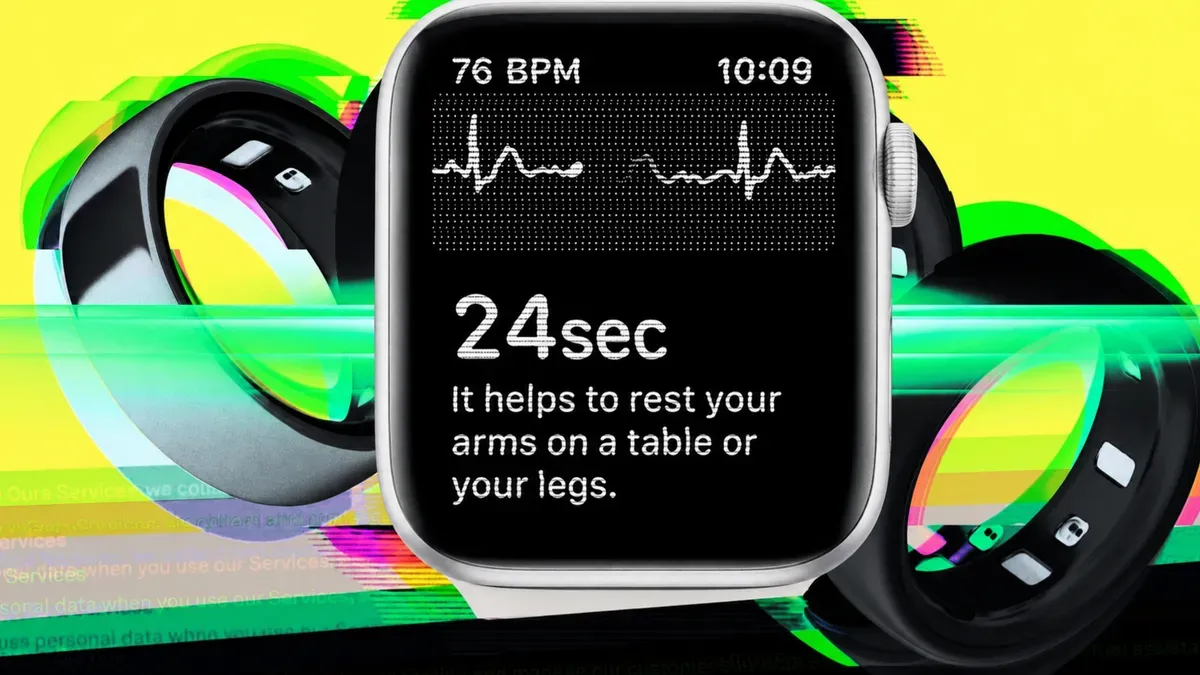
Health wearables constantly collect personal health and behavioral information, raising the question of who owns that data. For decision-makers, the consequence is clear: privacy risk is not just a consumer issue, it is a governance and compliance problem.
Health wearables are constantly collecting your personal information. The real question is not whether the data exists, it is who owns it and what that ownership means for your privacy.
That distinction matters because wearables like smartwatches and smart rings sit at the intersection of health, identity, and daily life. They do not just count steps. They capture signals that can reveal patterns about sleep, activity, and health routines. And once those streams are collected, the privacy outcome depends on control: who decides how the data is used, where it goes, and what happens when you stop buying or start asking questions.
For executives, “ownership” sounds like a legal footnote. In practice, it is the difference between a customer’s expectations and a company’s actual leverage. If the data is treated as a proprietary asset, it can be used to improve products, personalize experiences, train models, or share insights through partnerships. That can create value. But the same value creation can also expose users to risks they did not explicitly consent to, or did not fully understand at the moment of purchase. The privacy bill shows up later, when users ask why their sensitive information is being processed, stored, or shared.
Privacy also is not static. Wearables increasingly operate as platforms. They collect data, then ecosystems form around them: apps, analytics dashboards, third-party integrations, and sometimes insurance or employer wellness initiatives. Each added layer changes the incentives for data handling. The company that runs the device may be one party. The app that interprets the signals is another. A partner that receives insights can be a third. When control is fragmented across an ecosystem, oversight becomes harder, and gaps in transparency become more likely.
This is why regulatory background matters even if you are not in compliance full time. Privacy laws and enforcement trends globally have pushed organizations to be clearer about data collection and use, and to justify processing with appropriate legal bases. Even when the law permits certain uses, obligations can still require notice, consent, data minimization, retention limits, and safeguards. In other words, the rules often do not simply say “data is bad.” They say “data must be handled responsibly, and you have to be able to prove it.” Executives should assume that wearable data will be treated as sensitive in the eyes of regulators, because it often relates to health and personal behavior.
There is also a practical second-order effect that boards and investors should consider: reputational risk grows with personalization. A wearable that reads and responds to your body becomes more than an accessory. If privacy practices appear vague or if terms change over time, the backlash is amplified because the product feels personal. A user does not just hear “we collect data.” They see it in their routines and bodily signals. That emotional proximity makes disputes harder to contain and easier to escalate, especially when data ownership is unclear.
Finally, the privacy stakes do not stop at the user. Data governance affects procurement and partnerships. If a company’s wearable program involves sharing health-adjacent information with partners, counterparties will ask hard questions about who controls the data, how it is secured, and what rights users have. That can slow deals or raise requirements for contracts, audits, and technical controls. In competitive markets, governance maturity can become a differentiator. But if it is weak, it becomes a liability that compounds across product lines.
So the takeaway is straightforward: before someone buys a smartwatch or smart ring, the privacy implications of “who owns the data” need to be understood, not assumed. And for executives, the moment to prepare is now, because wearable data is already being collected, ecosystem incentives will continue to expand, and regulatory and customer expectations are converging on clearer control and stronger protections.
This story's Key Insights and Take-aways are locked.
Create a free account to unlock Executive Actions for one credit.
Register to UnlockAlways free for Executives Club members. Join the Club
More in Technology

Nvidia's $89B data center quarter: the 9 companies cashing in
The AI buildout is minting fortunes beyond GPUs, and memory, cloud, and cooling suppliers are riding the same wave.
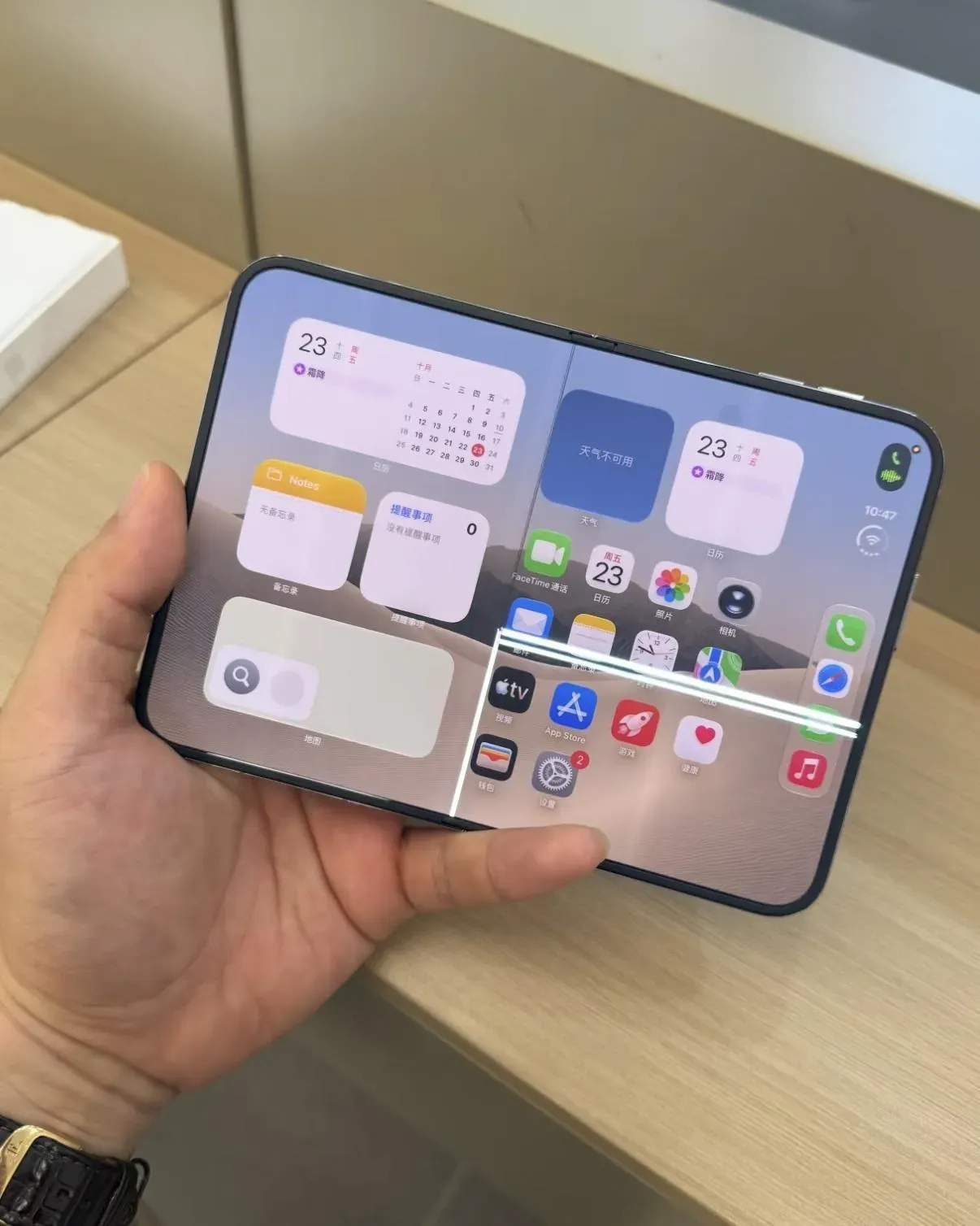
A YouTuber dissected the iPhone Duo and thinks he found crackgate's cause
CuriousHagi's teardown of Apple's foldable reveals a gear-like hinge that may explain why screens crack in the same spot within hours.

Google quietly links your phone number to every Android account on your SIM
Adding a SIM now ties your phone number to all Google accounts - and future accounts inherit it. Here's the security and privacy stakes.