

Soccer's pay throne moves: La Liga now tops Premier League in Forbes' 2026 list
Spain's top flight places four players in the top ten earners; England's cash-rich league must answer why it has just one.

Forbes' 2026 ranking of soccer's highest-paid players shows La Liga supplying four of the top ten, versus one for the Premier League. For club executives and league officials, the shift signals that global earning power is no longer a given for England's biggest spenders.
Forbes' 2026 ranking of soccer's highest-paid players has redrawn the sport's financial map: Spain's La Liga now supplies four of the top ten earners, while the Premier League, long seen as the game's money magnet, contributes just one. The reversal is a quiet earthquake for a league where broadcast and commercial revenue have fueled record wages for two decades. It also undercuts the comfortable assumption that the competition with the richest TV deal automatically produces the world's most valuable individual contracts.
Forbes' list, which typically totals salaries, bonuses, prize money and endorsement income, shows four La Liga players sitting inside the top ten. The Premier League has only a single representative. That contrast is historically striking. Since the early 2000s, English clubs have dominated the transfer market and regular wage bills, powered by enormous broadcast cycles and a steady influx of foreign owners. Yet individual earning power tells a different story, one where Spain's traditional giants outmuscle England's deep-pocketed squads for the very top of the earnings tree.
The structural reasons are clearer than they might appear. La Liga operates under a strict salary cap system that requires clubs to present audited financial plans before every season. The regime became even more restrictive after the pandemic, when many Spanish clubs had to slash wage bills to stay compliant. Those constraints forced a sharpening of priorities: instead of maintaining deep squads packed with high earners, La Liga's marquee clubs concentrated their financial firepower on a small group of marketable superstars. The result is a top-heavy distribution of wages that feeds directly into Forbes' top ten.
The Premier League, meanwhile, has a different regulatory and economic texture. Its own profit and sustainability rules limit club losses, but they do not impose the same squad-level salary cap. English clubs often spread generous pay across a larger number of first-team players, a model that supports the league's famous competitiveness and depth. But that diffusion of salary means fewer individual players reach the astronomical earnings peaks of La Liga's leading men. The league's single entrant on the Forbes ranking should be seen less as a failure and more as a logical outcome of a system that prizes squad balance over individual mega-contracts.
That divergence matters well beyond football standings. For sponsors and agents, a Forbes top-ten appearance is a proxy for global commercial appeal. Players in that tier typically command massive endorsement deals, drive shirt sales, and attract billions of social media interactions. La Liga's four entrants give the league a powerful marketing lever as it fights to hold attention in an increasingly crowded global sports market. The Premier League's one entrant, despite the league's overall commercial leadership, means fewer individual faces to anchor product campaigns and promotional pushes.
For executives inside English clubs, the ranking could serve as an early warning. The Premier League's financial heft is not fading; transfer records and wage bills keep climbing. But if the league wants its stars to compete with La Liga's peak earners, it may need to rethink salary structures to make room for an ultra-elite tier. That might conflict with the competitive balance that makes the league popular, but the trade-off is now visible in stark numbers.
There is also a regulatory dimension that boardrooms should watch closely. La Liga's caps did not just constrain spending; they forced a resource-allocation philosophy that happens to create top-ten earners. As the Premier League learns to work within its own tightened rules, it may be borrowing pages from Spain's playbook. That means more focus on amortization, squad composition, and treaty structure around a few signature performers rather than across-the-board wage inflation.
The Forbes 2026 list is a snapshot, not a permanent verdict. But it gives decision-makers a clear directional signal. Agents will use it to steer clients toward clubs that can pay at the very top of the market. Sponsors will use it to align with leagues whose athletes dominate the earnings charts. And club owners should use it to stress-test whether their current model is optimized for the next decade of individual player value. Spain may be winning today on this metric, but the contest has just gotten more interesting for everyone else.
This story's Key Insights and Take-aways are locked.
Create a free account to unlock Executive Actions for one credit.
Register to UnlockAlways free for Executives Club members. Join the Club
More in Business
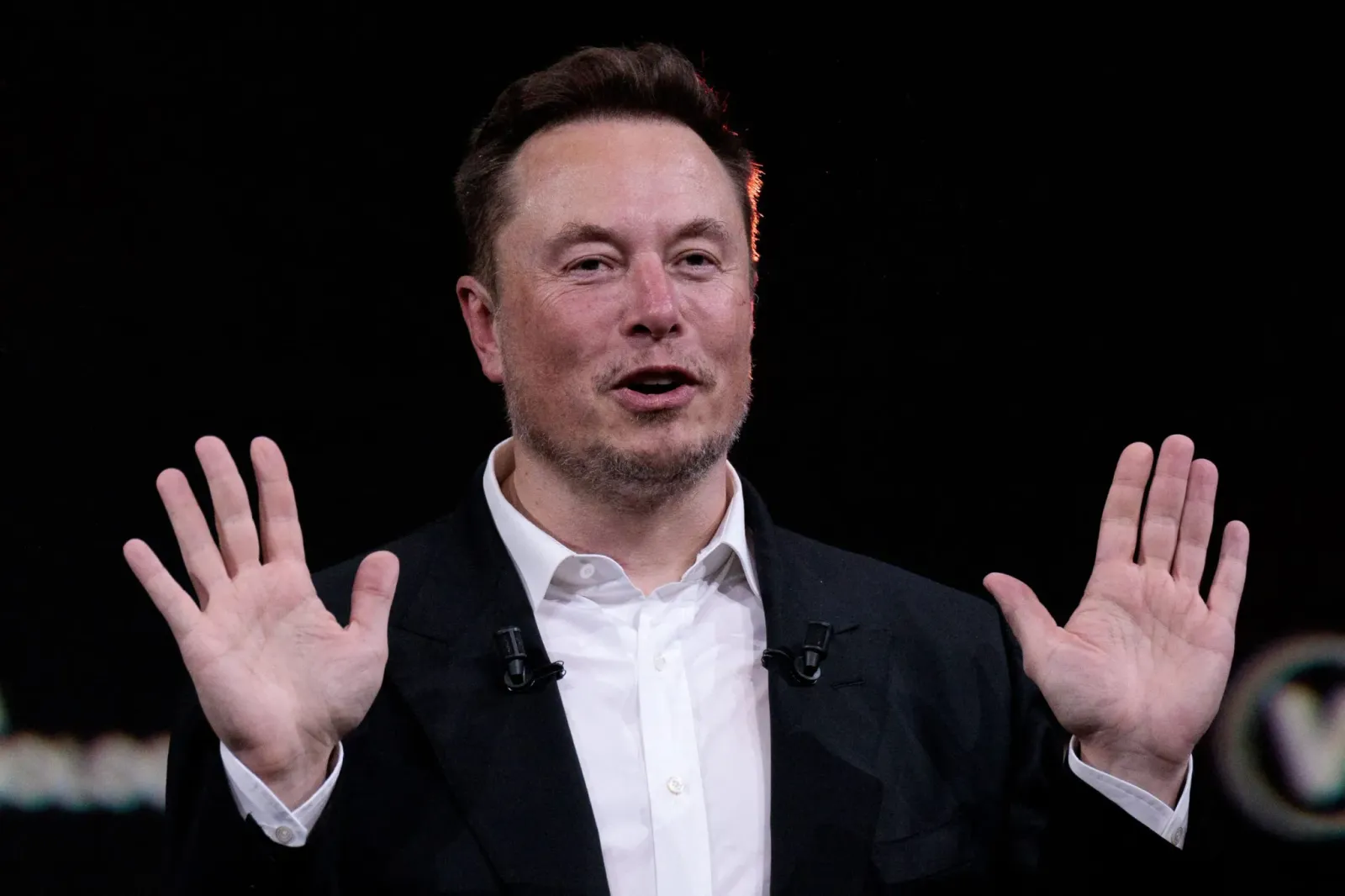
Musk barred from the room as Tesla, SpaceX boards weigh $3.5 trillion merger
The CEO of both companies is a 'conflicted party' watching independent directors negotiate a tie-up that would create a $3.5 trillion giant he would own about a third of.

Elon Musk just showcased a flying car - and it wasn't at Tesla
The Tesla CEO's latest reveal came at SpaceX, not Tesla, signaling where vertical mobility is headed.

Apple's $2,000 iPhone Duo opens preorders, taking on Samsung and Google
Apple's first foldable hits the market at a premium price, reshaping a category Samsung and Google have led.