
SoftBank creates SB Neo to rent AI GPUs in America, targeting fiscal 2027 launch
A new neocloud operator is coming to the US as SoftBank pushes gigawatt-scale AI data centers and secures GPU software stack muscle.
SoftBank says it will launch SB Neo, Inc., a US neocloud business for AI training resources, starting operations in fiscal 2027. Decision-makers should track how this capital-heavy compute push intersects with SoftBank Group's $10 billion loan plans backed by its OpenAI stake.
SoftBank is stepping into the “rent-a-GPU” arms race in America, and it’s doing it with a specific timeline: it expects SB Neo, Inc. to start operations in fiscal 2027, which ends March 31, 2028. For hyperscalers, AI startups, and anyone staffing compute procurement teams, this matters because it adds another supplier trying to become the default pipeline for AI training capacity.
Here is the concrete piece that should jump out immediately: SB Neo will be set up to operate SoftBank’s neocloud business in the US, and SoftBank’s stated plan is to use lessons from an existing beta GPU cloud service in Japan. The US company’s ownership split is also spelled out: 51 percent owned by SoftBank Corp and 49 percent owned by SoftBank Group Corp. SB Neo will be a consolidated subsidiary of SoftBank Corp, which itself is 40 percent owned by SoftBank Group Corp. In other words, this is not a casual side project. It is a corporate structure with real control, real accounting consolidation, and real capital implications.
So what is a neocloud, if you don’t spend your weekends reading compute-industry jargon? Neocloud operators are essentially specialized niche cloud platforms focused on AI services. They emerged to ride the surge in demand for GPU-accelerated compute. Instead of selling “cloud” as a generic bundle, they package access to specific AI hardware and related software into something that looks like a repeatable service. The goal is straightforward: make it easier for customers to run training workloads and AI services without building everything themselves.
But the model comes with a catch. SoftBank is entering a category that consultants have already warned may be fragile. A report from McKinsey & Company last year said the business model for neoclouds is inherently commoditized because there is limited differentiation in renting access to specific hardware. That means price pressure can be relentless and differentiation is hard unless someone controls the stack around the hardware, not just the hardware itself.
SoftBank’s answer, at least on paper, is to lean into its software and orchestration layer. SoftBank Corp says it has been providing a beta version of its GPU cloud service powered by “Infrinia AI Cloud OS,” a software stack in Japan since May. This stack is described as supporting Kubernetes-as-a-Service (KaaS) in a multi-tenant environment. It also provides Inference-as-a-Service (InfaaS) to deliver large language model inference capabilities via APIs. Translation: instead of competing solely on “how much GPU you can rent,” SoftBank is trying to compete on how efficiently and reliably you can orchestrate multi-tenant training and expose AI inference through application-friendly interfaces.
There is also the infrastructure side of the story. SoftBank disclosed it plans to proceed with the construction of gigawatt-scale AI datacenters in Japan as soon as preparations are in place. No cost figure was revealed in this announcement, but the broader capital narrative is already in motion elsewhere. Elsewhere, it was reported that SoftBank Group has reengaged with lenders to secure a $10 billion loan backed by its stake in OpenAI. According to Reuters, lenders were initially wary of such a transaction, but SoftBank is now offering to guarantee repayment of the loan, giving banks recourse if the OpenAI shares pledged as collateral lose value.
That loan detail is second-order important for executives because it changes the stakes of compute spend. If banks feel protected through repayment guarantees tied to collateral dynamics, SoftBank may be more willing to push heavy datacenter construction and cloud expansion. Even if SB Neo is a US business, the group-level financing posture can influence how aggressively SoftBank is willing to build. Put differently, this is not only a product launch. It is also a balance sheet maneuver that can enable capacity growth.
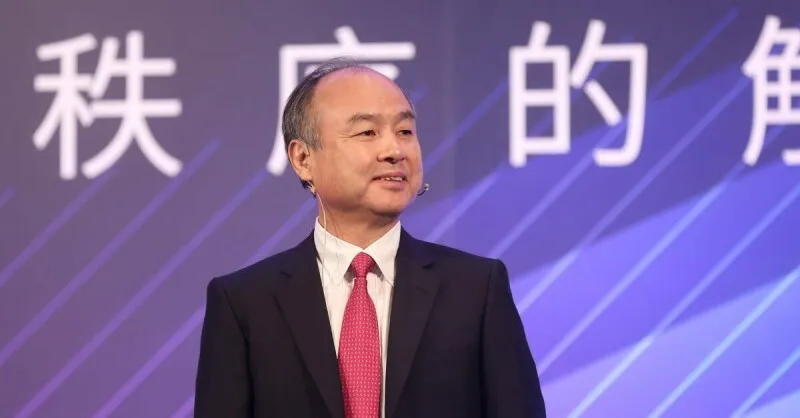
And yes, you can hear the cultural signal too. Masayoshi Son reportedly told SoftBank shareholders recently that any talk of a bubble is “an insult to AI,” and that “I think it’s blasphemy against AI if you say it’s a bubble.” The source adds that the OpenAI CEO Sam Altman admitted that “we’re in the midst of an AI bubble,” but the point here for decision-makers is not who used the better phrase. It is that the company is positioning itself for long-term AI infrastructure demand, at a moment when public debate about valuation and risk is loud.
For peers and decision-makers, SoftBank’s move is a reminder that the neocloud market is not just “more competitors.” It is a potential shift in how capacity gets packaged: training resources plus a software stack plus API-driven inference. If SoftBank can make its Infrinia AI Cloud OS compelling in practice, it could create stickier customer relationships than pure hardware rental. If it cannot, it may collide with the commoditization concern raised by McKinsey. Either way, the fiscal 2027 target gives the market a deadline, not a vague ambition. Watch SB Neo closely, because the winner in rent-a-GPU is not the one with the most GPUs. It is the one who turns raw compute into a service customers can deploy, trust, and standardize on faster than they can build it themselves.
This story's Key Insights and Take-aways are locked.
Create a free account to unlock Executive Actions for one credit.
Register to UnlockAlways free for Executives Club members. Join the Club
More in Business
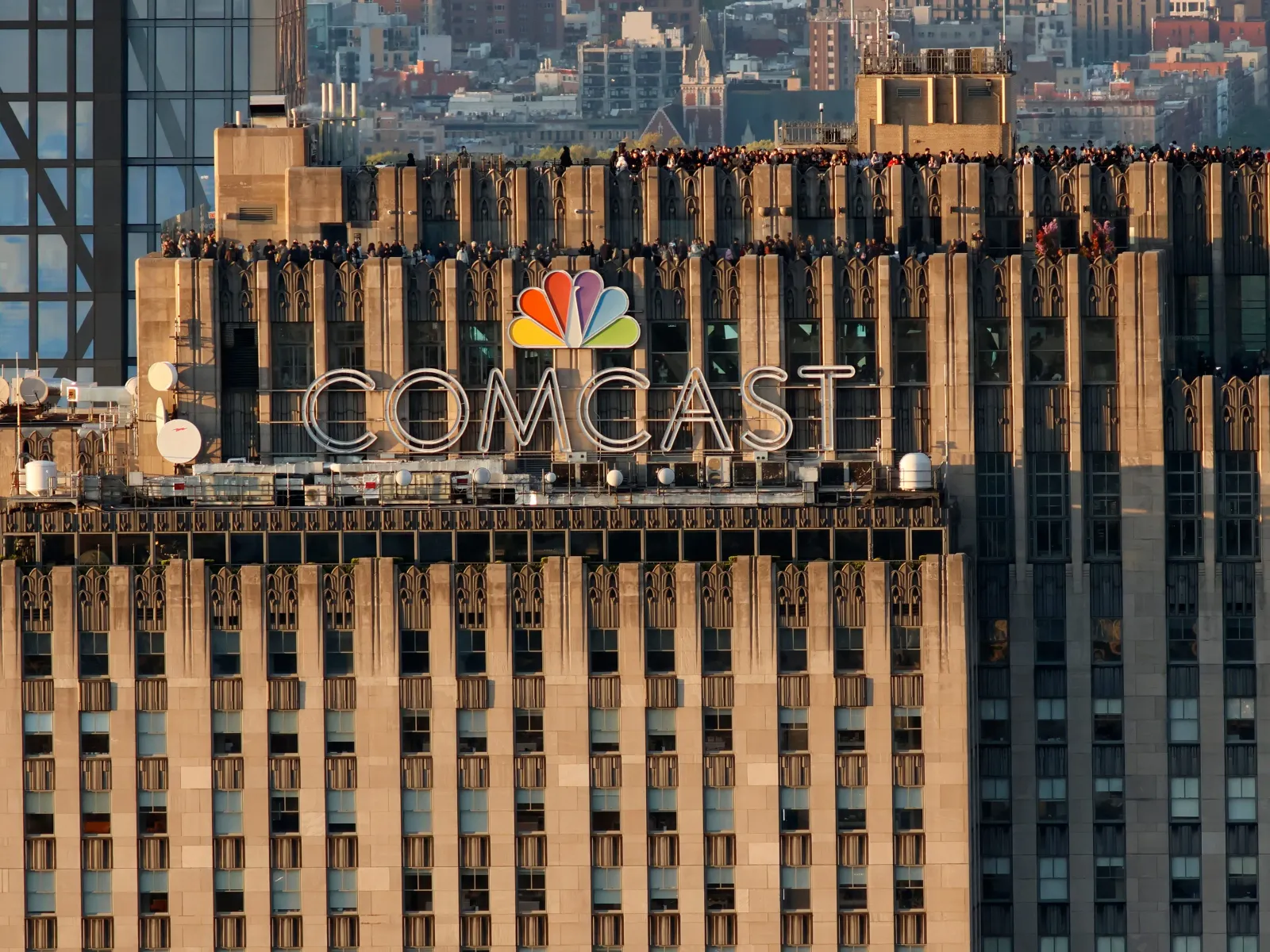
Comcast shares jump 25% as it plans to split NBCUniversal and Sky
The tax-free spin-off could reshape focus, funding, and competition across media and tech for years.

Bungie cuts most Destiny 2 staff as Sony says Marathon still matters
Herman Hulst confirms layoffs affecting most Destiny and some Marathon teams after Bungie admits Destiny fell short.

SK Hynix jumps 11% after seeking up to $29.4B in Nasdaq listing
The chip giant filed for a Nasdaq listing plan that could raise $29.4 billion, instantly reshaping investor expectations.