

Sony adds fired Marathon director Christopher Barrett to credits after $200M lawsuit settlement
The deal closes Barrett's dispute with Sony and Bungie, reshapes how Marathon’s authorship is recorded, and adds pressure elsewhere.

Sony has settled with former Marathon game director Christopher Barrett, whom it previously accused of sexual misconduct, and will add his name to Marathon credits. The settlement matters to decision-makers because it lands during broader Bungie cost-cutting and financial strain tied to Sony’s impairment loss.
Sony has reached a settlement with fired former Marathon game director Christopher Barrett, and the first visible change is the one creators and executives both understand instantly: his name is going on the credits. Barrett had sued Sony and Bungie for more than $200 million, denying the misconduct allegations and arguing his firing was tied to avoiding nearly $50 million owed under his employment agreement. Now, with the dispute resolved, Sony and Barrett also agree on the public record of his role as “original Marathon game director.”
The timeline is the story here. Bloomberg reported Barrett was fired in the spring of 2024 after several female employees accused him of inappropriate behavior, following an internal misconduct investigation. Barrett released a statement at the time saying, “I feel that I have always conducted myself with integrity and been respectful and supportive of my colleagues, many of whom I consider my closest friends. I never understood my communications to be unwanted and I would have never thought they could possibly have made anyone feel uncomfortable. If anyone ever felt that way about their interaction with me, I am truly sorry.” Barrett then escalated with the lawsuit, and the settlement now ends that fight. In a statement on social media, Barrett said all parties had reached a settlement and called the outcome “one I am very satisfied with,” also adding, “Closing this chapter allows me to focus my attention on what’s next on my gaming journey, and I look forward to what lies ahead.”
For executives, there are two separate but overlapping games being played: the legal one and the operational one. The legal win is for closure and risk containment. The original complaint, according to the reporting, was that Barrett was scapegoated for Bungie’s broader struggles after Sony’s PlayStation acquisition, and that the investigation was used as cause to fire him after requesting FMLA leave. The money at stake was not hypothetical: Barrett claimed he was owed nearly $50 million under his employment agreement, and he sued for more than $200 million in total while denying the allegations.
But the operational game is bigger, and it is not pausing because a credits screen got updated. IGN also reports that Bungie’s staffing problems continued last month, when nearly 300 staff who worked at Bungie’s Bellevue, Washington office lost their jobs, per official records. It is not clear how many employees remain, though Bungie was reported to have employed 850 staff as of 2024, and it was Bungie’s third round of layoffs in three years. The Seattle Times previously reported Bungie once had 1,000 employees in Bellevue, citing a 2023 annual financial report from the city. Between October 2023 and July 2024, Bungie laid off around 320 staff.
Sony’s corporate messaging around those cuts has been measured, but it still points to a board-level framing: Hermen Hulst, CEO, Studio Business Group, Sony Interactive Entertainment, said a “significant” number of employees had been affected, hitting “most of the Destiny team and some Marathon team members.” Hulst described the decision as “difficult” and “painful,” but “necessary to align the studio’s resources with its current priorities and long-term goals.” That matters because it suggests a resource reallocation mindset, not just a one-off reorg. And for a studio releasing an expensive shooter, every headcount decision also becomes a creative decision.
The business context adds another layer of pressure. Bungie has struggled financially, and it was reportedly on the brink of closure before Sony bought the studio back in 2022 for $3.6 billion. Sony recently reported a $765 million impairment loss tied to Bungie’s underperformance. Meanwhile, Destiny 2’s trajectory is described as worsening around the time of last summer’s Edge of Fate expansion, which was said to have underperformed. The decision to end new content for Destiny 2 followed, and the release of Marathon, an extraction shooter that launched in early March with a reported budget of more than $250 million, has also struggled for players and is said by analysts to have failed to meet sales expectations.
Behind the scenes, the source lays out how management options narrowed. Destiny Infinity, described as a relaunch concept that would have paired a big expansion model with a return to the one-expansion approach Destiny previously used, was allegedly dropped after “earlier this year” because costs and risks were too high, especially against the need to support Marathon. Destiny 3 was “considered, as ever,” but did not happen, with production cost cited as the key issue. Importantly for accountability, this isn’t framed as a single bad release. It is framed as a multi-year financial squeeze, with layoffs, canceled plans, and now a legal resolution over authorship and termination.
There is also leadership turbulence. Bloomberg reported that Bungie studio head Justin Truman, who succeeded Pete Parsons last year, had stepped down. Forbes reporter Paul Tassi says former Bungie VP of Operations, Poria Torkan, has reportedly taken charge. When you combine leadership churn with layoffs and a $765 million impairment, the Barrett settlement lands differently than it might in isolation. It is not just a creator update. It is a signal that, even as Bungie’s external outcomes deteriorated, legal and reputational questions still had to be managed precisely, including who gets credited for what.
Bottom line: the Barrett settlement resolves a high-stakes dispute, adds his name to Marathon’s public record as original game director, and spares both sides from a longer, more expensive legal tail. But for peers watching the studio economics of live service and AAA production, the bigger takeaway is the mismatch between crisis management and creative output. When headcount drops, impairment losses mount, and product plans get trimmed, even “credit” becomes a corporate decision. Today’s settlement may close Barrett’s lawsuit, but the market still expects Bungie to deliver, and investors still expect Sony to justify $3.6 billion bought-and-bearished assets.
This story's Key Insights and Take-aways are locked.
Create a free account to unlock Executive Actions for one credit.
Register to UnlockAlways free for Executives Club members. Join the Club
More in Business

AstraZeneca $27B wipeout as Wainua late trial misses cardiovascular target
A failed late-stage heart study triggered a swift market punishment, forcing investors and boards to reset timelines and risk.
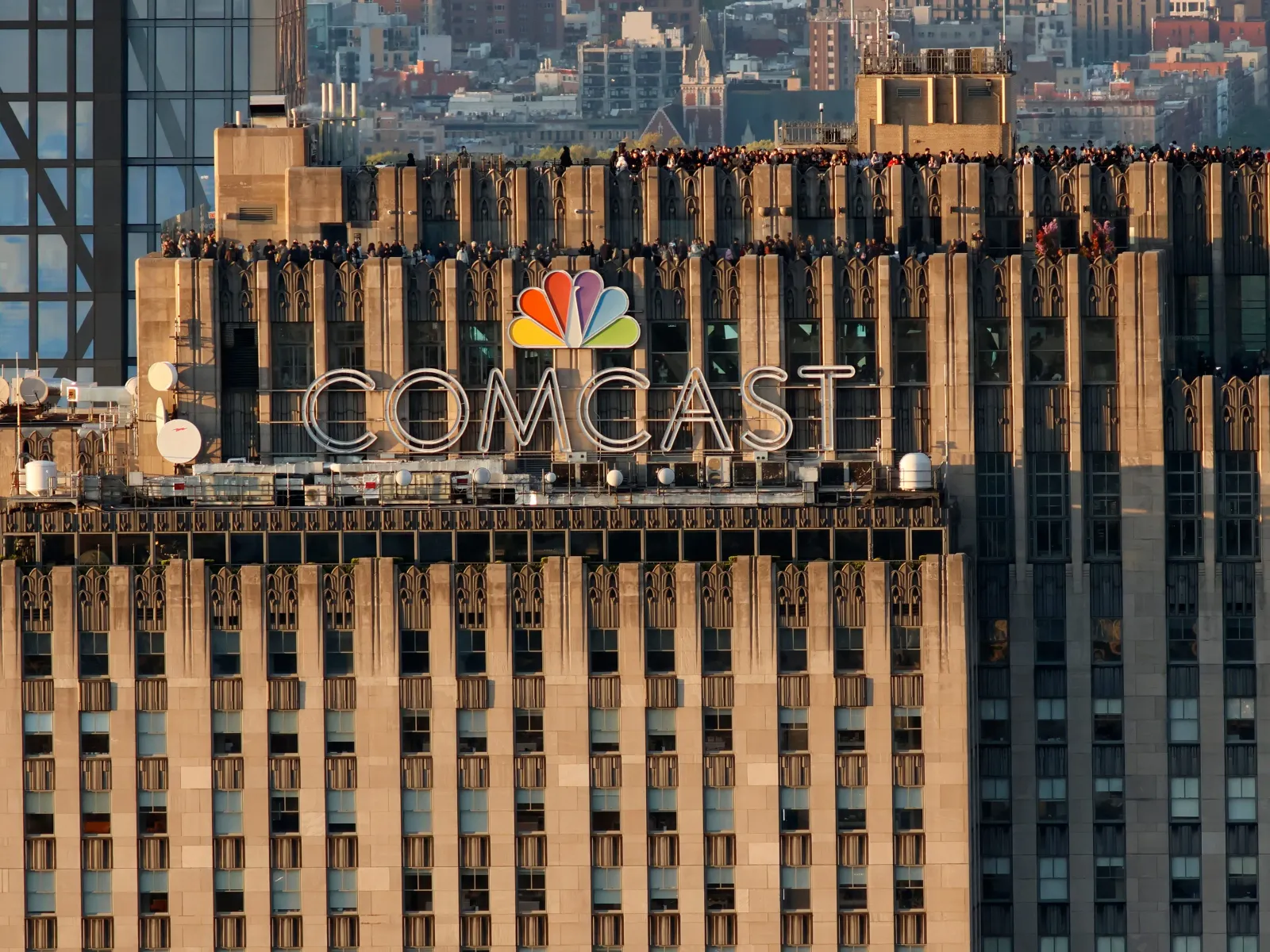
Comcast shares jump 25% as it plans to split NBCUniversal and Sky
The tax-free spin-off could reshape focus, funding, and competition across media and tech for years.

Bungie cuts most Destiny 2 staff as Sony says Marathon still matters
Herman Hulst confirms layoffs affecting most Destiny and some Marathon teams after Bungie admits Destiny fell short.