

Sony ends PlayStation disc manufacturing Jan 2028, forcing retailers to bet on digital
A new report says games are typically cheaper in shops, even as Sony kills disc production starting January 2028.
Sony Interactive Entertainment is ending manufacturing of physical PlayStation discs beginning January 2028. For decision-makers, that move reshapes how retailers compete, monetize, and plan inventory and storefront futures.
Sony has set a date for a quieter apocalypse: it is ending manufacturing of physical PlayStation discs beginning January 2028. The practical effect is straightforward, even if the fallout is not. Future PlayStation releases, whether from Sony Interactive Entertainment or every other publisher, will only be available in digital formats.
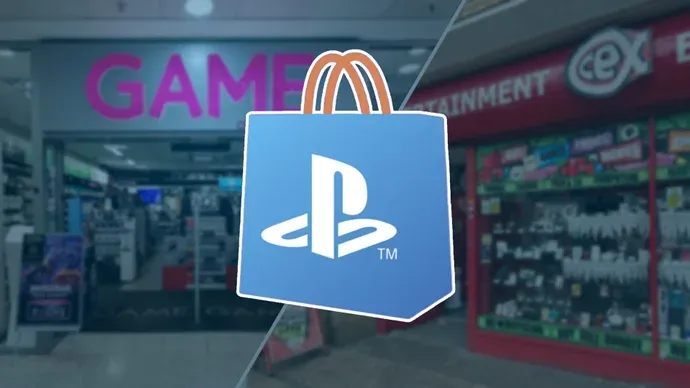
That matters because it collides with a long-standing pricing reality in gaming. A new report highlighted by Eurogamer notes that games are almost always cheaper in shops than online. So as discs stop being manufactured in just over two years, retailers face a brutal question: if shoppers already see better deals offline, what happens to demand when the offline product itself runs out?
To understand why this is more than a “format war,” zoom out to how physical retail usually wins. Physical stores are not just selling discs. They sell convenience for browsing, giftability, trade-in and resale habits, and the psychological comfort of tangible inventory. Even when digital storefronts offer sales, physical retail often anchors customer expectations around markdowns, bundles, and shelf timing. That “typically cheaper in shops” pattern is the kind of customer behavior a retailer builds forecasts around, down to staffing and promotions.
Now layer Sony’s timeline onto that. Ending disc manufacturing beginning January 2028 means the industry gradually loses the supply chain that kept physical SKUs flowing. Sony is not only changing Sony games. The phrasing in the report is clear that the shift applies to future releases across the entire market. In other words, retailers cannot treat this as a Sony-only problem. If the installed base wants physical, the physical channel will have to work with shrinking remaining supply, different logistics, and potentially different economics. But the moment a new release cannot be bought as a disc, the “cheap in shops” pricing advantage has to be re-earned through other levers.
Retailers also have to consider the capital mechanics of inventory. Physical retail is inventory-heavy, which turns demand uncertainty into real money risk. When a product can only be sold for a limited time, retailers often discount more aggressively. If Sony’s move compresses the physical window for major releases, retailers may either pre-discount earlier to protect cash flow or become more conservative to avoid being stuck with unsellable stock. Either way, the decision forces planning changes now, not later, because buyers and suppliers do not adjust instantly.
There is also a second-order competitive dynamic. Digital distribution shifts power toward platform owners and storefront algorithms, while physical retail traditionally competes through curated availability and retail-level promotions. If digital-only releases become the default, the “price gap” highlighted by the report can become the new battlefield. Retailers might respond with loyalty programs, exclusive bundles, store credit promotions, or partnerships, but those are no longer the same game as “sell the disc cheaper.” They require new economics and, in many cases, different margin structures.
Finally, this kind of transition tends to force board-level questions. For executives and directors overseeing retail networks, the concern is not just whether sales decline, but what replaces the category. A store can pivot, but pivoting means investing before the old model is fully gone, and that is a tough sell when customers still remember cheaper shelf prices for games. Sony’s January 2028 cutoff date gives a concrete planning horizon, which makes the stakes sharper for anyone trying to decide whether to double down on physical-adjacent services or re-engineer the business toward digital-adjacent commerce.
Put simply: Sony is setting the calendar for an industry-wide pivot away from discs. A report says shoppers have long benefited from cheaper prices in shops. Between those two facts is a risk gap that retailers will have to close, quickly, or watch their role in the PlayStation ecosystem shrink into something else entirely.
This story's Key Insights and Take-aways are locked.
Create a free account to unlock Executive Actions for one credit.
Register to UnlockAlways free for Executives Club members. Join the Club
More in Entertainment

Bill Ward says he uses a wheelchair in airports, still “pretty good” for 78
The Black Sabbath drummer details new mobility limits in an Instagram post, while insisting he is not retiring.

Warner Bros. develops a “Free Willy” reboot with AGBO and new screenwriters
A 1993 family classic is getting a reimaging, with AGBO producing and Mary-Margaret Kunze and Jade Halley Bartlett writing.

Rolling Stones launch a Roblox time machine on July 10, alongside Foreign Tongues
The band’s six-decade immersive game drops the same day as its 25th studio album, with creator-made merch and interactive performances.