

Sony ends PlayStation physical games production in 2028, after deleting 550 movies
The 2028 shift and Sony’s 550-movie digital wipe collide, exposing the real risk in “ownership” debates.

Sony announced it will stop making physical games for PlayStation in 2028 and posted the news on the PlayStation blog. The consequence for decision-makers: a clearer signal that the industry is shifting leverage away from consumers and toward licensing and platform control.
Sony’s PlayStation will stop making physical games in 2028. That decision, announced last week on the PlayStation blog, lands fast, but the deeper problem shows up when you put it next to what Sony admitted earlier: it would be deleting 550 movies from the digital libraries of PlayStation owners due to the end of a licensing deal.
In other words, the industry is tightening the definition of what customers actually keep. Sony is not just moving to fewer cardboard discs. It is reinforcing a model where access depends on contracts you cannot renegotiate, and libraries can shrink even after you paid for the product. If you are a board member or operator thinking about consumer trust, distribution economics, or platform risk, this is not a niche gaming story. It is a template for how digital-first commerce can drift from “buy” to “rent,” without the customer noticing until it is too late.
The timing is what makes this announcement read like a PR boomerang. Sony posted the end-of-physical production news less than a week after acknowledging the 550-movie deletions. The sequence basically demonstrates a cautionary tale: buying digital does not necessarily mean you own the content. That theme gets sharpened by the contrast with Sony’s own earlier stance. Back in 2013, when Microsoft tried to push Xbox One as a more digital-first console, with strict controls around sharing and reselling games, Sony mocked its rival with a short video showing how easy it was to lend physical games to friends on PS4.
So Sony’s current move flips a long-standing narrative. In 2013, physical distribution was framed as a social benefit, a consumer-friendly advantage over digital restrictions. Now Sony is signaling that the physical ecosystem is ending for PlayStation, and with it the habits and infrastructure built around collectors, lending, used game markets, and the comforting idea that a disc is yours, regardless of what a licensing deal does next.
There is also a bigger market context here. The source notes that the shift should worry us all, and it explicitly points to what has been happening with Xbox. Even without adding new details beyond what is stated, the implication for executives is straightforward: once a platform sets consumer expectations toward access over ownership, competitors can mirror the move, and regulators are more likely to scrutinize platform practices. In the background of this kind of change sits a familiar tension in digital media industries: licensing contracts, renewal leverage, and the friction between “content you can play” and “content you can keep.” When those contracts end, the platform becomes the gatekeeper, and the customer becomes dependent.
Second-order implications are where the real boardroom relevance lives. Physical media often functioned as a hedge against licensing fragility. If a game is on disc, you do not need the platform to keep a license active to preserve the experience. When the supply chain moves away from physical and toward streamed or licensed access, the company gets operational benefits, but the trust equation gets riskier. A consumer backlash might start as sentiment, but it tends to evolve into hard operational questions: churn, resale behavior, customer lifetime value, and how quickly a brand can recover after a “you lost access” moment. In this story, Sony already highlighted that exact fragility with the planned deletion of 550 movies.
Finally, the announcement suggests an ecosystem transition. Collectors and superfan communities are not just buying games, they are curating. They build libraries, trade, store, and display. Ending physical production does not merely change manufacturing costs or shelf space. It changes social rituals and secondary markets, and it shifts negotiating power further toward publishers and platforms. If you run a console business, a content studio, or an adjacent distribution partner, the message is that platform strategy is tightening around the company’s control of the customer experience.
That is why this matters beyond gaming enthusiasts. For decision-makers in any digital platform category, the pattern is recognizable: companies can move customers toward access models while their marketing language still leans on purchase-like assumptions. Sony’s 2028 physical shutdown, paired with the 550-movie deletion tied to licensing ending, makes the risk unusually visible. If you are in charge of strategy, product, or risk governance, this is a live case study in how trust can erode when “ownership” is conditional.
This story's Key Insights and Take-aways are locked.
Create a free account to unlock Executive Actions for one credit.
Register to UnlockAlways free for Executives Club members. Join the Club
More in Business

AstraZeneca $27B wipeout as Wainua late trial misses cardiovascular target
A failed late-stage heart study triggered a swift market punishment, forcing investors and boards to reset timelines and risk.
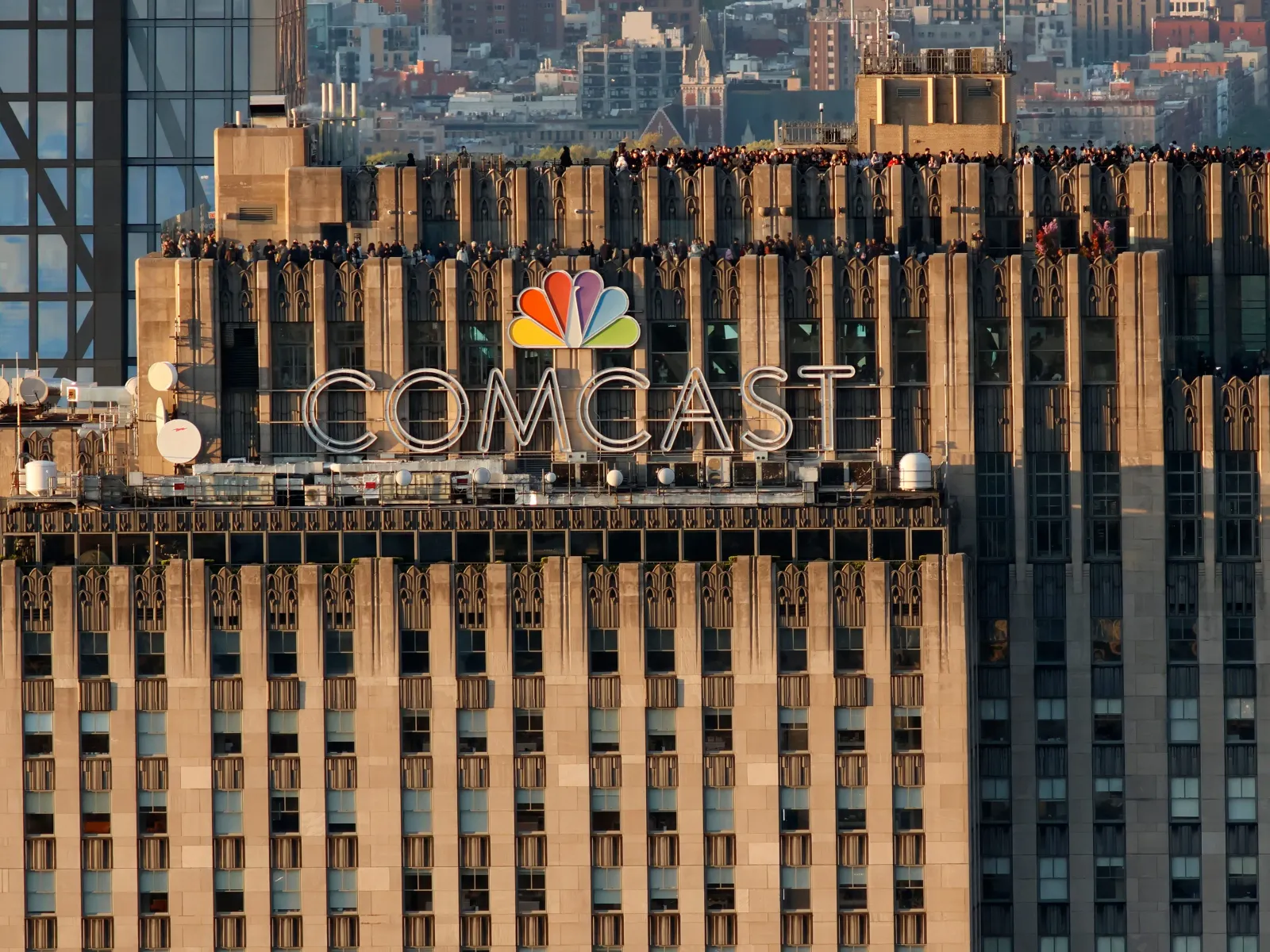
Comcast shares jump 25% as it plans to split NBCUniversal and Sky
The tax-free spin-off could reshape focus, funding, and competition across media and tech for years.

Bungie cuts most Destiny 2 staff as Sony says Marathon still matters
Herman Hulst confirms layoffs affecting most Destiny and some Marathon teams after Bungie admits Destiny fell short.