

Sony hands Kojima's Physint to Xbox right as Wolverine disappoints
A 24-hour double blow exposes PlayStation's live-service gamble and its dwindling list of exclusive hits.
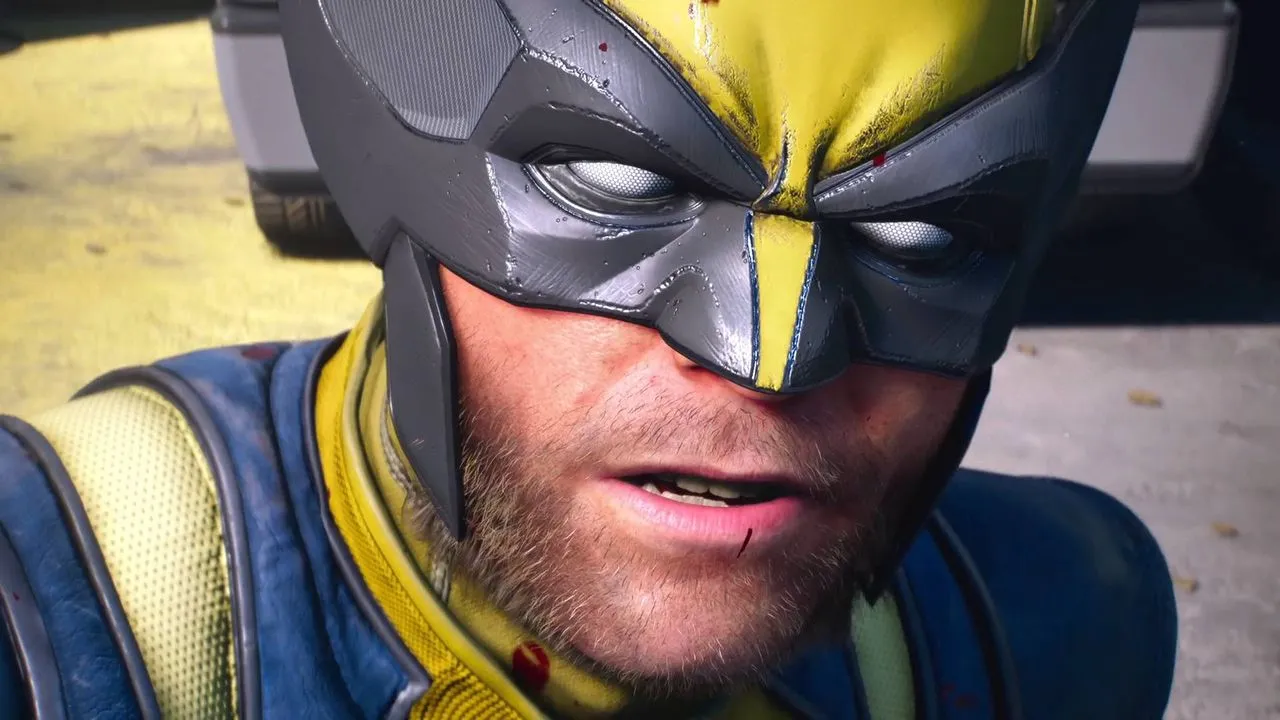
Sony has backed out of publishing Hideo Kojima's stealth-action revival Physint, handing the project to Xbox, just before Marvel's Wolverine reviews landed as the worst-rated Insomniac game in a decade. The one-two punch lays bare how PlayStation's live-service pivot has drained its exclusive pipeline and left its platform strategy vulnerable.
In a 24-hour window that captures everything wrong with PlayStation's current strategy, Sony backed out of publishing Hideo Kojima's stealth-action revival Physint, handing the project to Xbox, and then watched Marvel's Wolverine reviews land as the worst-rated Insomniac game in a decade. The timing is brutal. Physint was billed as Kojima's return to stealth-action after his Metal Gear Solid years, and Wolverine was supposed to be one of the PS5's few remaining system-sellers. Instead, Sony's decision to drop Physint delivered the project straight into Microsoft's hands, a signal that even a legendary creator's next game is not safe from the fallout of the company's live-service misadventures.
The contrast could not be sharper. The night of September 9, word broke that Sony would no longer publish Physint. The morning of September 10, critics collectively shrugged at Marvel's Wolverine. It is not awful, but it is the worst-reviewed Insomniac game in a decade, and it is not the smash hit the PS5 desperately needed. These two events are linked by a single root cause: Sony spent the PS5 generation steering single-player-adept studios toward live service projects in pursuit of infinite recurring revenue, then canceled those projects or closed the studios when they failed. Games and staff at Bluepoint, Naughty Dog, Bend Studio, Firewalk, Bungie, and reportedly Guerrilla have all contributed to that toll, leaving vanishingly few teams to make the exclusive games PlayStation once delivered as a matter of course.
The live-service gamble was meant to be anchored by Bungie, which Sony acquired at enormous cost. But Destiny 2, once the north star for PlayStation's fleet of live service ventures, has now ended, and the platform is left with a barren release calendar. Saros was good and Ghost of Yotei was great, but in this self-imposed game famine, Marvel's Wolverine was left to carry the weight of Atlas. Fans are now praying that God of War Laufey and Intergalactic: The Heretic Prophet eventually stick the landing. The context dictates the reception: in brighter times, a middling Insomniac game might have been warmly tolerated, but years of waiting and enormous expectations have turned it into a punching bag for frustrations entirely outside the studio's control.
Meanwhile, Sony's retreat from Physint looks like a pure portfolio decision, and a shortsighted one. The company had already built a relationship with Kojima Productions through Death Stranding games, and Kojima remains one of the few developers with a global cult following. Sony likely crunched the numbers on Death Stranding 2 and decided Physint did not offer enough potential returns to justify the risk. That logic ignores the strategic value of having a marquee exclusive from a name like Kojima, especially when your competitor now gets it. If Microsoft is the better option for a third-party studio, you have messed up colossally.
This is not an isolated stumble. Sony has reportedly pushed to pull back from PC gaming, end support for physical games, and charge more for less while aggressively monetizing a stagnant user base. Fewer options, fewer games, and higher prices do not help a mature market, and the consequences are compounding. The Xbox reset has generated more headlines, but PlayStation is staring down a sea change of its own after fumbling an unlosable position. The platform's strategy is not working, it is hurting game developers, and it needs to change dramatically. And the consequences already set in motion are far from finished.
For executives in any platform business, the lesson is uncomfortable: a diversification strategy built on chasing someone else's margins can hollow out your core competency. Sony had a stable of single-player storytellers that were the envy of the industry. It turned them into live service factories, and when those projects failed, the studios paid the price. The result is a console generation defined by scarcity, not strength. The decision to drop Physint and the disappointment of Wolverine are not just bad luck; they are the visible symptoms of a generational misstep, and every peer in the industry is watching to see if Sony can reverse course before the damage becomes permanent.
This story's Key Insights and Take-aways are locked.
Create a free account to unlock Executive Actions for one credit.
Register to UnlockAlways free for Executives Club members. Join the Club
More in Business
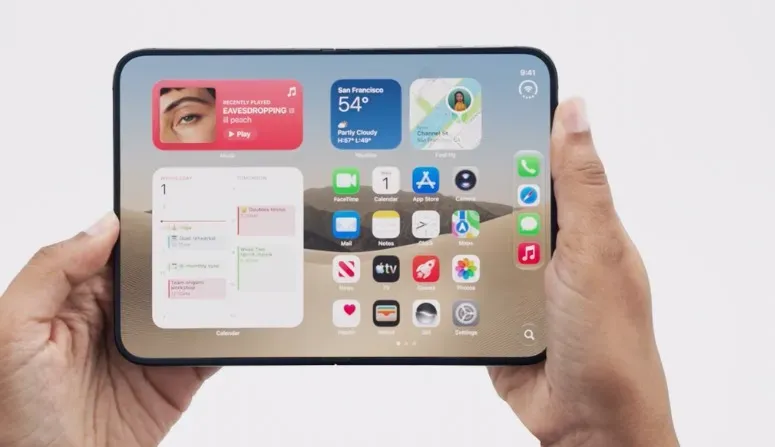
Apple unveils first foldable iPhone Duo with 7.6-inch display under new CEO Ternus
Apple's first foldable, the iPhone Duo, marks a major product bet for new CEO John Ternus, with a 7.6-inch unfolded screen.

Amazon Prime Air 767 overshoots Miami runway, killing at least 5
The Boeing 767 freighter from San Juan struck vehicles and erupted in flames, prompting a ground stop and a fresh NTSB investigation into Amazon's air cargo network.

Amazon Prime Air 767 overshoots Miami runway, strikes vehicles, catches fire
The Boeing 767, operated by 21 Air, was arriving from San Juan when it overshot the runway, triggering a ground stop and multiple injuries.