

Sony’s $500M Ramayana VFX spectacle teased by producer Namit Malhotra at San Diego Comic Con
Namit Malhotra debuted early footage for Sony’s epic “Ramayana” adaptation, signaling a blockbuster-grade push built around spectacle.

Producer Namit Malhotra teased footage for Sony’s VFX-heavy “Ramayana” adaptation at San Diego Comic Con. For decision-makers, the headline stake is scale, because a $500 million budget rewires risk, financing, and audience expectations.
At San Diego Comic Con, producer Namit Malhotra teased footage from Sony’s “Ramayana” adaptation, an epic film based on the Hindu poem with a reported $500 million budget. That figure is the real story, because it automatically moves the project from “prestige adaptation” territory into “global event movie” expectations, where the bar for box office and downstream monetization gets set extremely high.
Malhotra’s teaser, delivered in front of a crowd that lives for world-building, matters less for what it showed and more for what it signaled: Sony is aiming to use visual effects to turn an ancient epic into something that feels engineered for modern scale. A $500 million VFX spectacle does not just demand audience attention. It demands production discipline, marketing leverage, and a release strategy that can convert spectacle into revenue across theaters and beyond.
Here is the industry context hiding inside the number. Big-budget VFX films often behave like financial projects as much as artistic ones. Costs are front-loaded in production and post-production, then paid back through a mix of theatrical performance, home entertainment, streaming windows, and licensing. The bigger the VFX bill, the more tightly everyone along the chain has to align around forecasting: what opening-week momentum looks like, how long legs can hold, and how international audiences will respond to tone, pacing, and spectacle.
Comic Con is not just a fun stop on the calendar. It is a live testing ground for audience interest, fandom energy, and brand memory. When a producer chooses to tease footage there, it is a bet that early hype can travel beyond the convention floor. For executives, this also changes internal dynamics. A teaser at a major pop-culture event can raise expectations inside the company, on the partner side, and with investors who interpret visibility as momentum.
The “Ramayana” source material adds another layer. Adaptations of culturally significant epics tend to face extra scrutiny because audiences bring expectations about authenticity, representation, and storytelling respect. In practice, that scrutiny can be operational. Decisions about how characters are depicted, how mythology is translated to screen, and how spectacle is balanced with narrative clarity can become pressure points. When the budget is $500 million, those pressure points are not academic. They influence schedule, creative sign-offs, and where studios decide to spend time and money to avoid costly rework late in the process.
There is also the second-order implication for how Sony and its peers think about competitive positioning. In a market where studios constantly chase tentpole slots, a high-budget epic crowded into an already crowded release calendar becomes both a differentiator and a risk multiplier. The upside is obvious: if the VFX lands, the film can become a must-watch event and a benchmark for what “epic” means in the current era. The downside is equally real: if expectations get set too high too early, any mismatch between the teaser promise and the final experience can widen the gap between marketing spend and audience payoff.
For boards, investors, and senior leaders, the strategic stake is straightforward: budgets at this level reshape the definition of success. It is no longer only about whether the film makes money in theaters. It becomes about whether the production can protect quality under cost pressure, whether the release can capture global attention, and whether the film sustains value through later formats. Malhotra teasing footage at San Diego Comic Con is a visible step in that playbook, turning an epic adaptation into an announced spectacle program with serious financial gravity.
This story's Key Insights and Take-aways are locked.
Create a free account to unlock Executive Actions for one credit.
Register to UnlockAlways free for Executives Club members. Join the Club
More in Entertainment

Extraction 3 starts filming on Netflix, with Chris Hemsworth and Idris Elba returning
The hit action franchise is back in production, turning Netflix’s blockbuster sequel plans into a live, measurable pipeline.
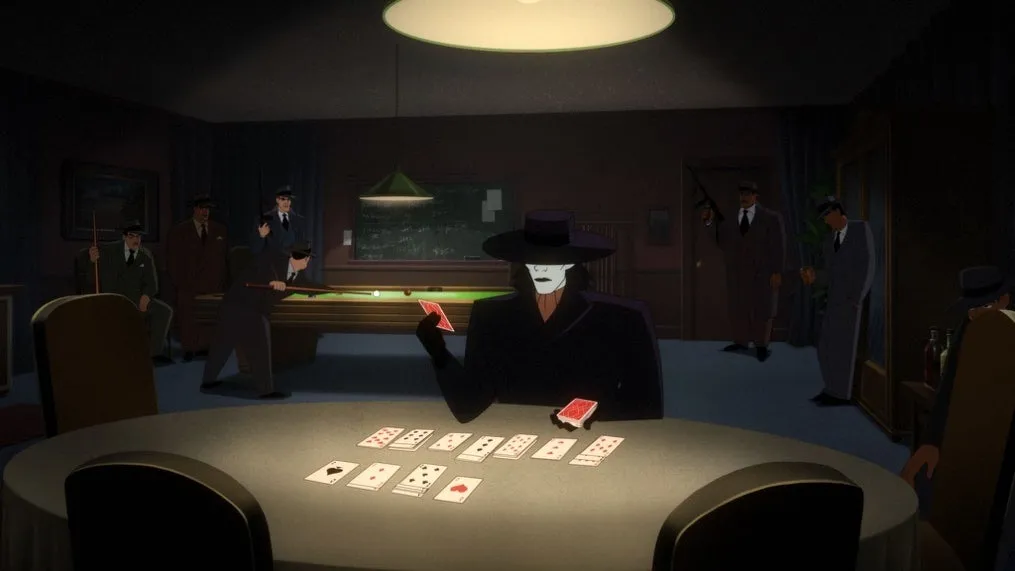
Matthew Needham voices The Joker in Batman: Caped Crusader Season 2
Prime Video confirms the casting from Comic-Con, with Season 2 launching July 31 alongside the new game.
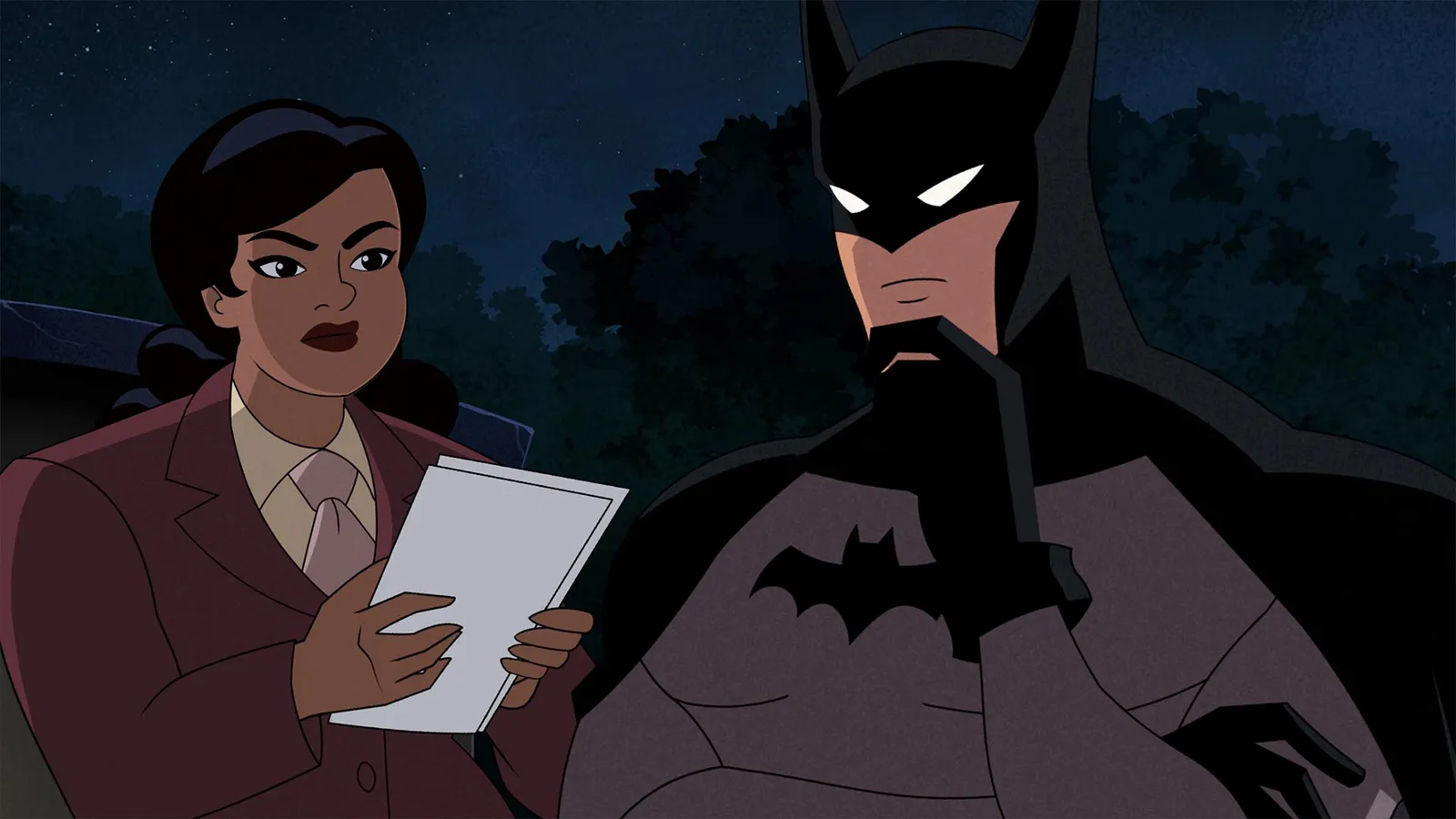
Amazon’s Batman game launches July 31 with Prime, using phones as controllers
Batman: Caped Crusader - Chronicles drops alongside Season 2, and Prime members get it at no extra cost.