
Sony says new PlayStation discs stop in January 2028, and physical retail starts grieving
The disc cutoff hits gamers, independent stores, and preservation efforts, reshaping how ownership works in practice.

Cody Spencer, co-owner of small retail chain Pink Gorilla Games, reacted to Sony's announcement that it will stop making discs for new games starting January 2028. For executives, the shift forces a rethink of product strategy, distribution economics, and how customers define ownership.
Sony is ending the era of PlayStation game discs for new releases. Starting January 2028, Sony will stop making discs for new games, a move The Verge describes as devastating for the people and businesses built around physical media. And in a retail lane that feels small until it suddenly is the only place to buy a thing, the grief is immediate.
Cody Spencer, co-owner of Pink Gorilla Games, put the impact into plain English when asked about the announcement. “It’s sad to see. This decision is only a negative for gamers. We’re losing the ability to sell games, to share games, and to own games.” The line lands because it is not about nostalgia. It is about the downstream capabilities that physical discs enable, and the buyer behaviors and retail models that rely on those capabilities.
To understand why this is more than a preference change, zoom out to how game distribution has worked for decades. Physical media is not just a format. It is a supply chain, a secondary market, and an ownership narrative rolled into one product wrapper. When Spencer says retailers lose the ability to sell and share games, he is pointing at the mechanics of trading used titles and bundling them into shelves where discovery happens in real life, not only through storefront algorithms. When he says gamers lose the ability to own games, he is drawing a distinction between having a durable copy in your hands versus having access that can be constrained by platform terms, licensing, delisting risk, or changing policies over time.
Sony’s January 2028 timeline matters because it gives the market a deadline to plan around. Retailers like Pink Gorilla Games, independent shops, and gaming preservationists are not just reacting emotionally. They are facing operational questions that show up on P&L statements: How do you forecast inventory when the production of new discs is going away? What happens to used game availability when the inflow of physical copies slows? What do your customers do when their привычный option is removed, especially the ones who are buying physical specifically because they want something transferable or durable?
The Verge frames the announcement as “devastating news for many in the games industry,” which includes not only players but also independent retail stores and preservationists. That split is important. Independent retailers tend to live in the margins of bigger platform ecosystems. They often serve communities, offer curated discovery, and build repeat visits. Preservationists live in the other margin: they try to keep older games playable and accessible as technology and licensing evolve. Both groups are exposed when the newest layer of content stops arriving in a format they can stock, test, archive, and pass along.
There is also a regulatory and policy shadow behind this kind of decision, even if today’s article does not dive into lawmakers. Across consumer tech, ownership disputes tend to move from technical debates to legal ones when access replaces copy. Executives should watch how the public conversation shifts as soon as a major platform draws a hard line on format. When a company changes how content is distributed, it indirectly changes what regulators, courts, and consumer advocates argue about: do customers have a copy, or only a license to play? The answer to that question is not just academic. It influences how businesses structure guarantees, refunds, and support obligations, and how boards assess reputational risk.
Second-order implications land hardest in the places nobody wants to think about until they are already late. If the physical disc stream ends for new games, the secondary market can thin out. That affects retail margins and reduces the variety of pre-owned inventory that stores use to keep customers coming back. It also affects preservation in a different way: preservation is easier when content is shipped in a tangible, standardized way that can be archived at scale. When the pipeline shifts, preservationists may have to rely more heavily on alternative methods, and those methods often move slower or depend on access to platform systems.
For executives overseeing distribution, content strategy, or consumer partnerships, the real stake is trust and switching costs. The Spencer quote is a reminder that format decisions become consumer capability decisions. If the industry moves away from discs, companies will need to over-deliver somewhere else, because customers will not simply accept losing “sell, share, and own” without asking what replaces it. And if you are sitting on a board, the question is simple: when a platform changes how people get games, who absorbs the pain, and how fast will customers punish the brand that made the call?
This story's Key Insights and Take-aways are locked.
Create a free account to unlock Executive Actions for one credit.
Register to UnlockAlways free for Executives Club members. Join the Club
More in Business
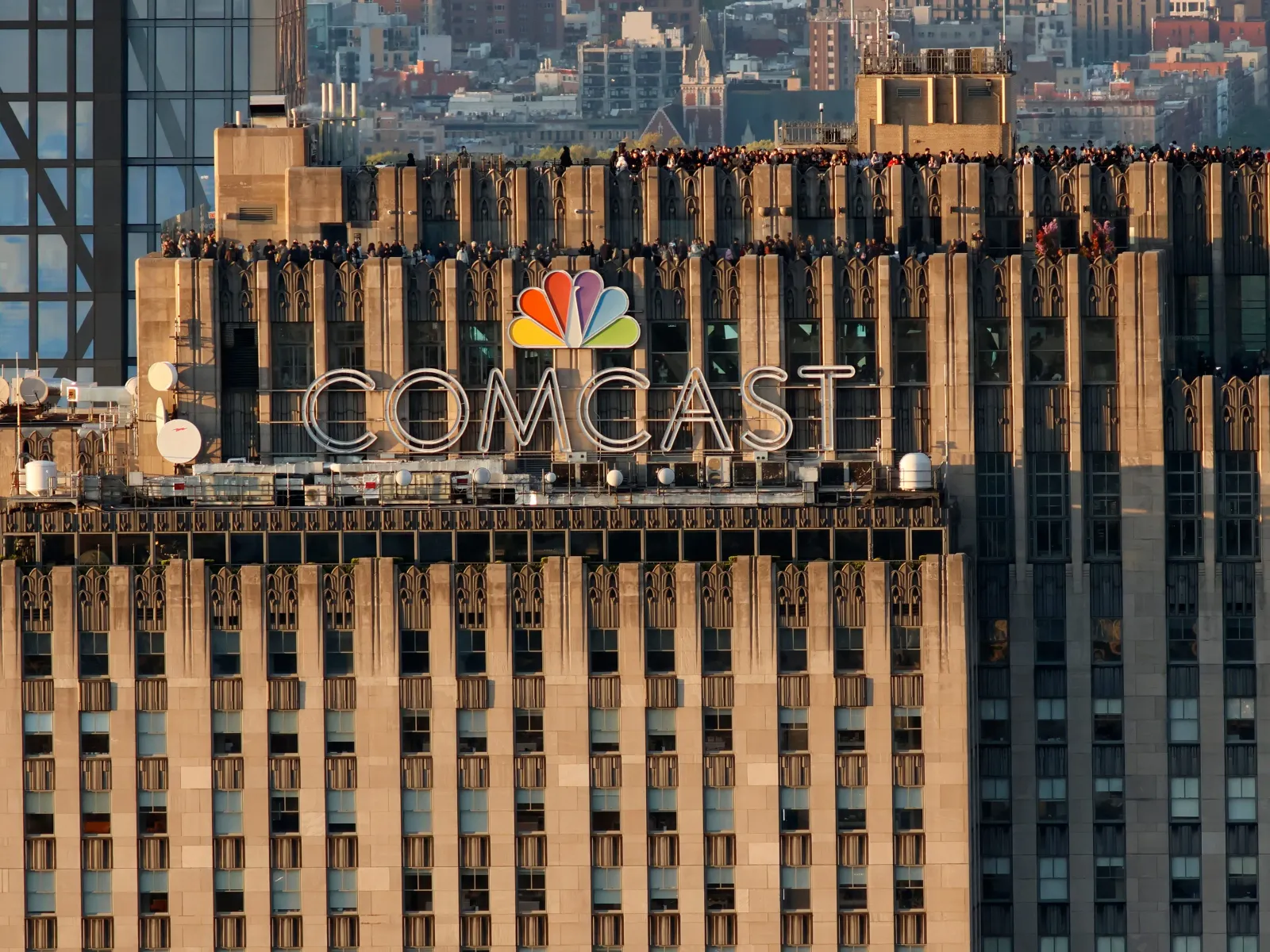
Comcast shares jump 25% as it plans to split NBCUniversal and Sky
The tax-free spin-off could reshape focus, funding, and competition across media and tech for years.

Bungie cuts most Destiny 2 staff as Sony says Marathon still matters
Herman Hulst confirms layoffs affecting most Destiny and some Marathon teams after Bungie admits Destiny fell short.

SK Hynix jumps 11% after seeking up to $29.4B in Nasdaq listing
The chip giant filed for a Nasdaq listing plan that could raise $29.4 billion, instantly reshaping investor expectations.