

Sony sets Brie Larson creature-horror Skeletons for June 4, 2027 theaters
JT Mollner and Bad Robot’s new take on creature horror promises a disturbing mother-secret from a boy’s POV.
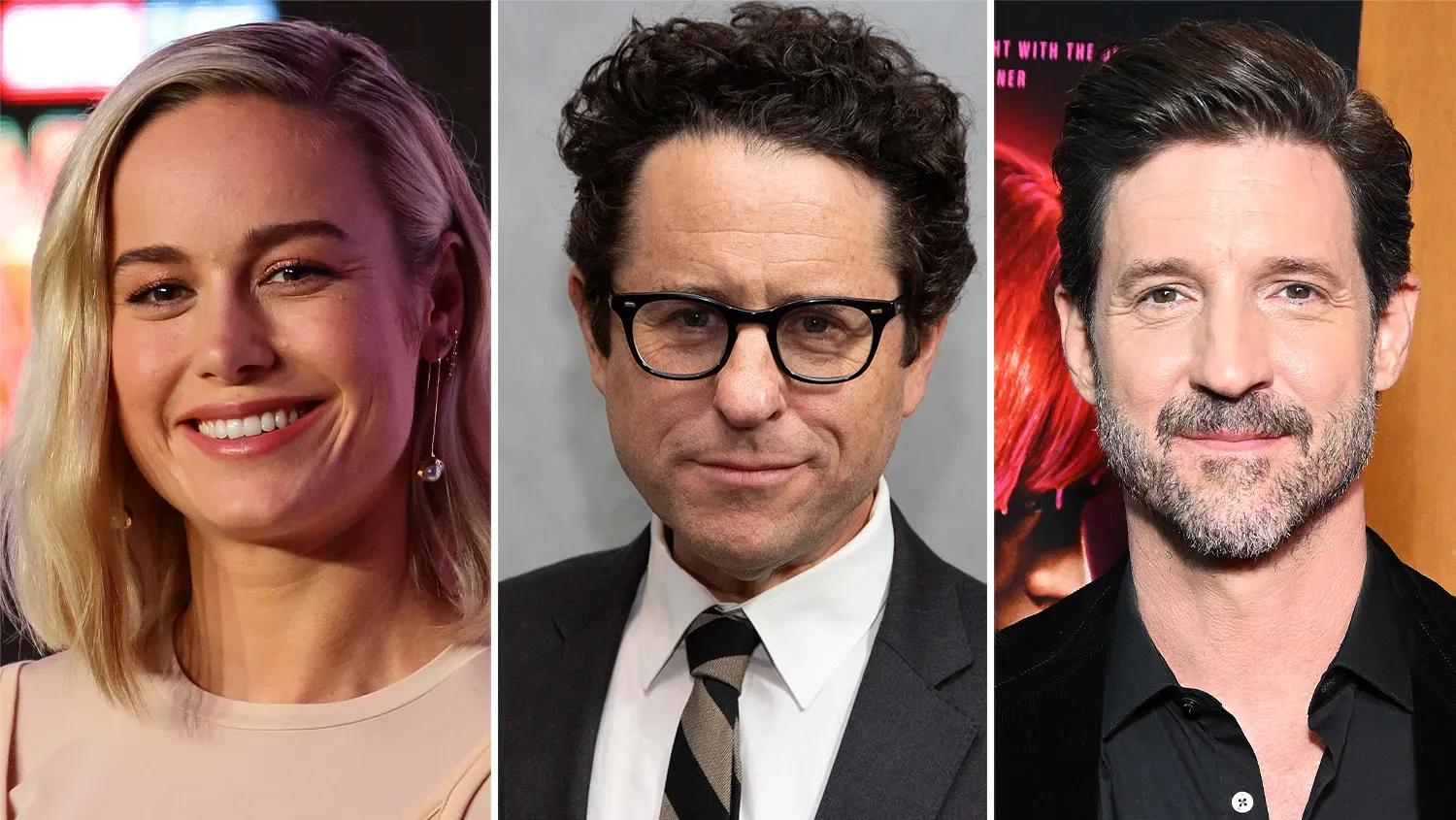
Sony’s Skeletons is scheduled to hit theaters on June 4, 2027, with Brie Larson starring. The film comes from director JT Mollner and J.J. Abrams’ Bad Robot Productions, using a young boy’s perspective to unravel a hidden truth about the boy’s mother.
Sony has finally put a date on its next horror swing: Skeletons will be in theaters on June 4, 2027. This is not just another creature feature on the calendar. It is a modern take on the subgenre, built around a specific storytelling device, and it has high-profile creative DNA behind it.
The movie, a creature-horror picture from JT Mollner and J.J. Abrams’ Bad Robot Productions, is told from a young boy’s point of view. As he grows, he slowly learns that his beloved parents are hiding a disturbing secret about his mother’s true nature. Brie Larson is attached to star. That mix matters because horror marketing lives and dies by how quickly you can make audiences feel “I need to see the truth they are hiding.” Sony is betting that the POV will do the heavy lifting, not just the creature designs.
For decision-makers across film, streaming, and broader entertainment, the first big implication is timing discipline. A June 4, 2027 release date is far enough out to allow for careful brand-building, but close enough that production and packaging choices can be coordinated to hit a summer audience mindset. Summer horror has historically been about spectacle and momentum, but there is also a business reality: distributors want a clear lane for trailers, cast announcements, and media cycles. Locking a date early signals that Sony is treating Skeletons like a centerpiece, not a placeholder.
The second implication is how Bad Robot’s involvement changes the risk profile. J.J. Abrams’ Bad Robot Productions has a track record that, broadly speaking, shapes expectations around event-level pacing and franchise-ready worldbuilding. In a creature-horror space that audiences often experience as standalone releases, the “modern take” language suggests Sony and its partners are trying to refresh tropes rather than only copy the classics. The young boy’s POV can be a differentiator, because it ties suspense to perception. Horror is often about what characters do not know. Here, the audience is asked to watch a child realize the adults are lying, or at least withholding, about what the mother really is.
JT Mollner’s direction is also central to the packaging logic. Even without additional technical details beyond the framing and genre description, this concept implies a tonal structure: slow dread that tightens as the boy learns more, rather than a jump-heavy approach that resolves quickly. The “slowly learns” phrasing is important because it is the marketing hook you can turn into a campaign. You can sell anticipation, not just scares. That is especially valuable when you are asking audiences to remember the title months after the first trailer. A POV-driven mystery can be summarized in one line, and audiences can picture the emotional experience.
Brie Larson’s presence is the third major business lever. Casting can broaden a horror film’s audience beyond genre loyalists. While horror fans will show up for the creature premise, Larson can pull in viewers who respond to performances and character-driven storytelling. That matters because Skeletons is not described as a simple “monster attacks city” plot. It is structured around a secret about the boy’s mother’s true nature, meaning the emotional center is tied to family dynamics and identity. If you are an executive evaluating lineup strategy, that is a more complex promise than typical creature horror, but complexity is also where differentiation lives.
There is also an industry-level second-order implication: the way studios build horror slates in an era of fragmented attention. Release dates are only the first lever. Studios now must decide how to compete with other big franchise tentpoles, how to feed social-first clips without ruining the mystery, and how to use cast news to keep a film alive in the public mind. Skeletons has multiple “keep watching” components that translate into short-form storytelling. The boy POV suggests a subjective lens, and subjective storytelling performs well when audiences are trying to guess what is real. The “disturbing secret” framing gives marketing a clear narrative engine, even if the details are withheld until the film.
Finally, the strategic stakes for peers are straightforward: a scheduled June 4, 2027 date gives Sony time to turn Skeletons into an audience appointment. If the film delivers what the description promises, the model can reinforce how studios can modernize older subgenres by changing perspective and character core, not just creature design. If it misses, it becomes a cautionary tale about over-indexing on mystery without enough release-time payoff. Either way, Skeletons is a reminder that horror is still a high-stakes marketplace game. Sony is spending creative capital on JT Mollner and Bad Robot’s brand, and it is putting Brie Larson into the center of the story, with a release date that signals confidence. For executives watching the genre, the question is not whether creature horror can return. It is whether this specific formula can make audiences care about the monster by first making them fear what the adults are hiding.
This story's Key Insights and Take-aways are locked.
Create a free account to unlock Executive Actions for one credit.
Register to UnlockAlways free for Executives Club members. Join the Club
More in Entertainment

12TB Steam 'teraleak' goes beyond Valve: GTA 3, Mafia 2 prototypes exposed
A 12-terabyte dump of Steam data reveals prototypes and builds of third-party classics like GTA 3 and Mafia 2, plus unreleased Valve content, rewriting game history.

LinkedIn's romance problem: 1 in 4 workers say dating on it is fair game
A new survey shows a quarter of U.S. employees treat the professional network as fair game for romance, even as LinkedIn bans it and removes hundreds of thousands of offending posts.

Enhypen's first No. 1 album breaks K-pop's Billboard 200 streak
The K-pop group's 98,000-unit debut tops the chart while Dolly Parton's catalog reentry shows how death reshapes streaming.