

Sony shuts down PlayStation Store on PS3 and PS Vita by July 2027
The clock is ticking for legacy purchases, subscriptions, and digital preservation across two PlayStation generations.
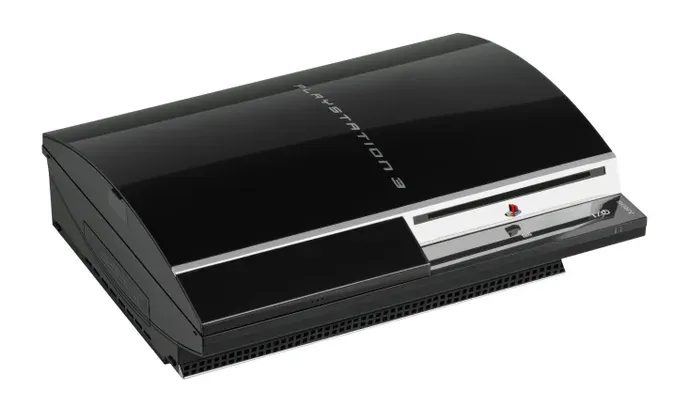
Sony will close the PlayStation Store on PS3 and PS Vita by July 2027. The move reshapes long-term revenue expectations and forces operators and investors to think about what happens to digital libraries after shutdowns.
Sony is closing the PlayStation Store on PS3 and PS Vita by July 2027. That matters because for these older platforms, the storefront is not just a way to buy games, it is the access layer for a player library that can span years or even decades.
When a storefront goes dark, the immediate effect is straightforward: users lose a mainstream channel to purchase titles for that device. But the bigger operational question for decision-makers is what a “store shutdown” actually means in practice. Is the library still downloadable? Do entitlements remain intact? Are there limits on redownloads, updates, or new installs? The headline is specific about the PS3 and PS Vita stores, but the business reality is that storefront access sits at the center of fulfillment, rights management, and ongoing support.
This is the pattern we have seen across digital media before, but Sony is dealing with a particularly sensitive version of it because PlayStation has multiple generations living side by side. PS3 and PS Vita were built for different hardware eras, and their digital stores became the default for a lot of customers who bought games without thinking about the long term. For Sony, shutting down those stores is also about focus. Maintaining a store is not only a UI problem, it is infrastructure, commerce tooling, backend services, fraud controls, payment rails, customer support workflows, and a compliance burden that does not disappear just because the devices are older.
There is also an economic angle. Legacy platform stores generally have lower traffic than current-generation storefronts. That does not automatically make them unprofitable, but it does change the opportunity cost. Every engineering hour spent keeping old storefronts current competes with investments tied to newer hardware, new distribution models, and current content pipelines. From an executive perspective, closing the PS3 and PS Vita stores is a classic “allocate scarce resources where demand is” move, especially when those platforms are no longer the growth engine.
Regulation and consumer protection also lurk behind the scenes, even when companies do not emphasize them. Digital content is often governed by contracts between rights holders and distributors, plus varying consumer rules around access and refunds depending on jurisdiction. The stakes intensify for legacy libraries because customers are not purchasing a time-limited service in the way they might with some subscriptions. They are buying digital licenses with expectations of ongoing access. Even when companies can legally justify a shutdown, boards and risk committees still have to consider the reputational hit and the administrative load of disputes.
For publishers and developers, this shift impacts long-tail economics. Games on PS3 and PS Vita can keep generating incremental sales as long as the store remains available. Once it closes, the sales funnel narrows dramatically to existing users, any remaining channels outside the store, and whatever Sony does to preserve access to already purchased content. That can change royalty planning and forecasting models, especially for smaller studios whose catalog life depends on continued storefront visibility.
For investors and operators who manage platform businesses, the second-order implication is how this sets expectations for other legacy decisions. Sony’s move signals that digital storefront access is not permanent, even when a brand has a long history with its community. That can influence how buyers think about digital ownership and how boards think about retention and lifetime value. It can also pressure companies to communicate clearly about post-shutdown access, so the “close the store” headline does not turn into a trust issue.
In the short term, players will feel the direct limitation: fewer ways to access the store for PS3 and PS Vita. In the medium term, companies in the gaming ecosystem will feel it too: planning cycles, catalog monetization, support operations, and customer messaging all have to realign to a post-store reality. And for Sony peers and partners, the strategic question is whether they can learn from this timeline and reduce friction when their own legacy systems eventually get the same treatment.
This story's Key Insights and Take-aways are locked.
Create a free account to unlock Executive Actions for one credit.
Register to UnlockAlways free for Executives Club members. Join the Club
More in Entertainment

Russell Brand's accuser 'bewildered and confused' as he denies 7 sex charges
The criminal case against the comedian is a live test of how media companies manage talent risk when serious allegations go public.

'It's a Magic Trick': Ballet Experts Say Rosalía's SNL Pose Is Impossible
Three ballet experts tell Rolling Stone Rosalía's gravity-defying SNL stillness shouldn't be possible - and why the debate is now part of the show.

Activision CMO: GTA 6 Will Boost Call of Duty, Not Bury It
Activision's top marketer says Rockstar's blockbuster will drive players back to consoles and into Modern Warfare 4, even as the company admits its recent strategy failed.