

Sony sues AI music generator Udio again, pushing one major label to the forefront
A new Sony lawsuit spotlights why “who licenses AI music” is becoming a board-level question.

Sony, the only major music label that has yet to sign a deal with AI music generator Udio, has sued Udio again. For decision-makers, the fight signals how quickly AI audio tools are turning into legal and licensing landmines for the entire music pipeline.
Sony has sued AI music generator Udio again. The company is still the only major music label that has not signed a deal with Udio, and that “not yet” is now driving another legal escalation.
If you are tracking AI music as a product category, this matters because it frames the battlefield as licensing first, technology second. Sony is using the courts to pressure the terms of that licensing, not merely to complain about outputs. In practical terms, the lawsuit is a reminder that AI music generators sit at the intersection of copyright, distribution, and rights management, and rights holders are not waiting for the industry to self-regulate.
To understand why this keeps happening, zoom out to how music rights typically work. Major labels control a stack of rights that can include recordings and publishing, and those rights attach to specific catalogs, specific recordings, and specific compositions. AI tools do not operate in a vacuum. Even if a generator produces something “new” to a listener, rights holders can argue that the model training, the inputs, or the style replication implicate the underlying works and rights. Sony’s repeated legal action against Udio, especially as a standout among major labels, suggests it views the issue as urgent enough to seek relief and leverage through litigation rather than waiting for negotiations to mature.
This is also a market positioning move, even if it is executed via legal filings. Engadget’s report centers on the fact that Sony is the only major label not yet in a deal with Udio, which effectively puts Sony in a distinct posture relative to peers. When one company refuses to sign while others do, that refusal becomes a signal. Not everyone reads legal strategy the same way, but boards and business teams do notice patterns. If Sony believes current terms are unacceptable, suing can be a way to slow the category down for competitors and force a renegotiation of the default assumptions around licensing.
There is a business logic to why “deal or lawsuit” becomes the real product timeline. AI music generators are moving fast, and companies building around them want clarity on what they can safely do at scale. The faster a tool spreads, the more costly it can become for its operators if licensing expectations harden after adoption. For decision-makers at startups, the legal environment can affect everything from go-to-market plans to partnerships with platforms that may be risk-averse. For decision-makers at rights holders, litigation can buy bargaining power, but it can also create uncertainty and delays in potential commercial arrangements. The strategy has a cost either way.
Regulatory background plays a role too, even when the immediate fight is a civil lawsuit. Across jurisdictions, regulators and lawmakers have been wrestling with how to treat training data, copyrighted works, and automated content generation. The industry is effectively in a transitional period where the rules are not uniformly settled. In that kind of environment, courts become the “rule engine” for specific disputes. That increases the stakes for the companies involved, because one case can shape how future disputes are argued, how settlements are structured, and how business models are justified.
Now consider the second-order implications for everyone watching AI audio. Sony suing Udio again adds friction to a category that depends on broad distribution. Even if consumers just see an app, downstream partners might see legal exposure. That can ripple into streaming integrations, social media features, advertising use cases, and licensing conversations for adjacent players. If Sony keeps pushing and Udio does not reach an arrangement, other labels and platform partners may become more cautious or more strategic about timing.
For peers in the music and tech-adjacent world, the strategic stake is simple: the “licensing question” is not an afterthought anymore. It is becoming a determinant of whether AI music becomes a mainstream distribution channel or a niche tool constrained by legal boundaries. Sony’s posture as the lone holdout among major labels, combined with renewed litigation, suggests the category’s governance will be decided, at least in part, through contested legal outcomes. For executives and boards, that means oversight of AI audio risk is no longer optional. It is a budget line, a partnership filter, and a roadmap constraint.
This story's Key Insights and Take-aways are locked.
Create a free account to unlock Executive Actions for one credit.
Register to UnlockAlways free for Executives Club members. Join the Club
More in Business

Uber buys Delivery Hero for nearly $15B, vaulting to top food delivery outside China
The deal doubles Uber's dual-services footprint and pushes a ride-and-eats bundling play into 50 more markets.

Epic and Google drop settlement bid, forcing rival Android app stores by July 22
Google told the court it is ready to carry third-party app stores starting Wednesday, July 22.
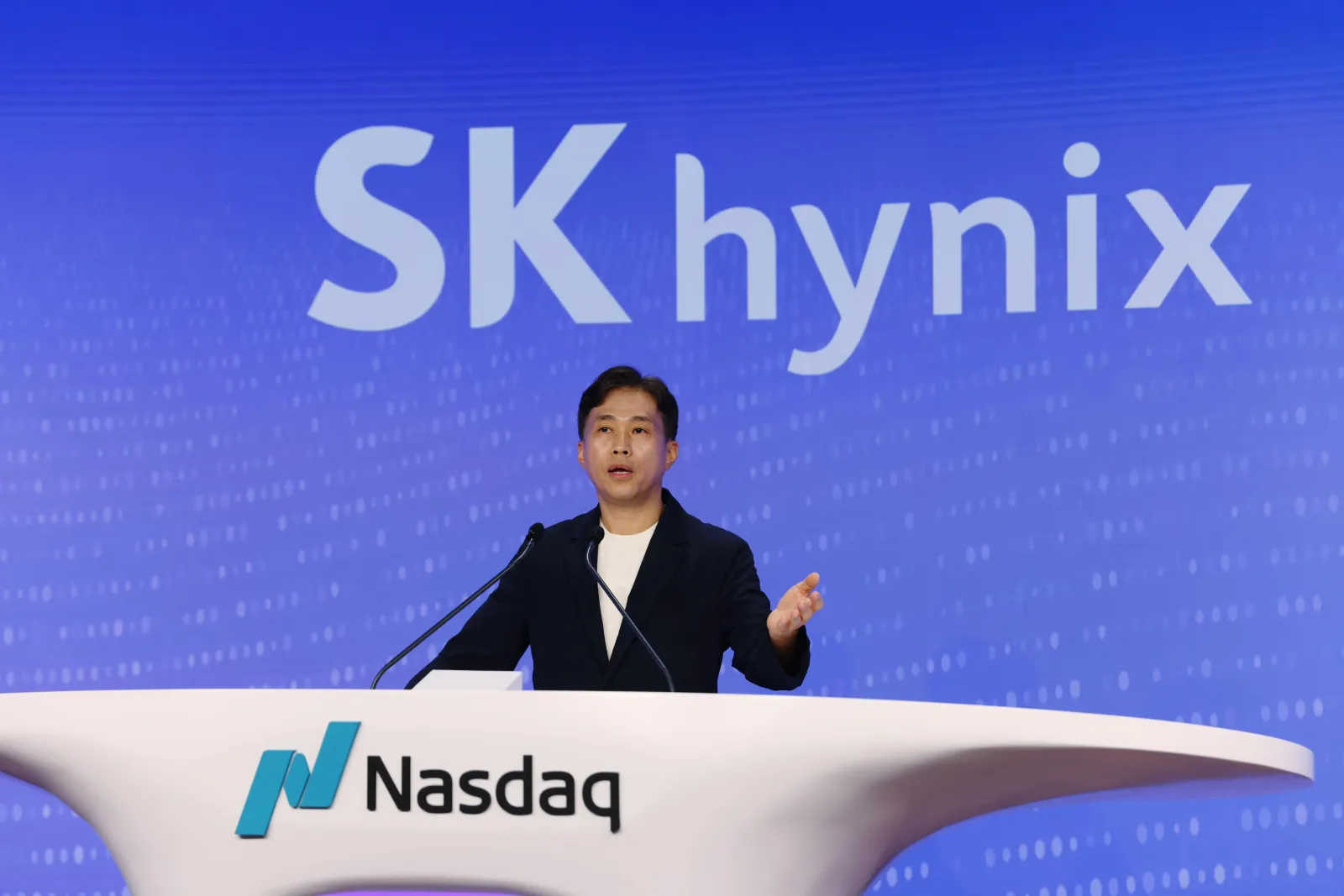
SK Hynix opens at $170, raises $26.5B, and tops foreign IPO records
In Friday's Wall Street debut, SK Hynix turns AI RAM demand into a $26.5B fundraising moment that rewrites comps.