

Sorkin’s “The Social Reckoning” turns Haugen’s Senate claims into a Zuckerberg reckoning
Aaron Sorkin writes and directs the follow-up to “The Social Network,” starring Mikey Madison as Frances Haugen. Release: October 9.
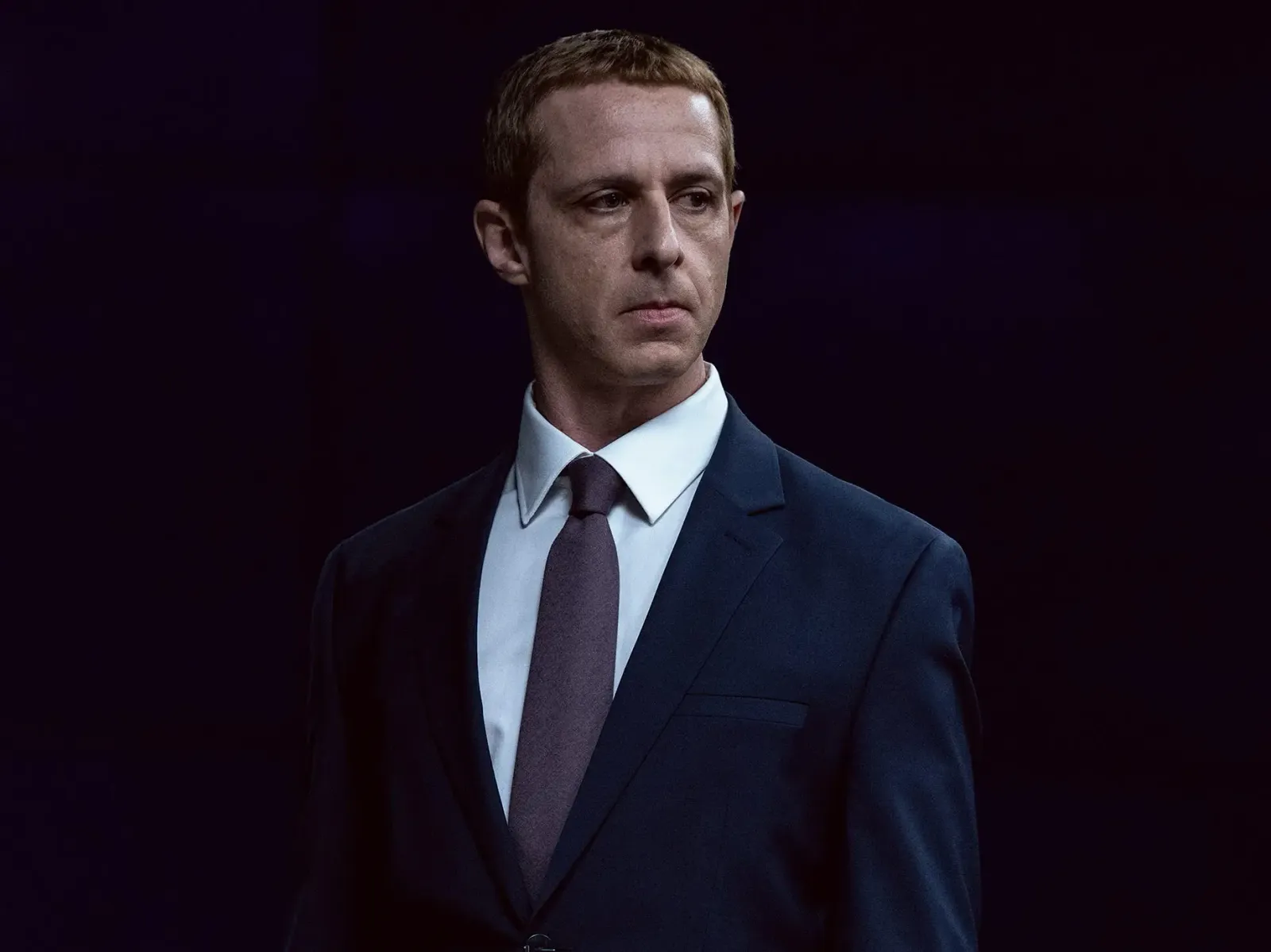
Aaron Sorkin is writing and directing “The Social Reckoning,” a follow-up to “The Social Network,” with Mikey Madison playing Facebook whistleblower Frances Haugen and Jeremy Strong playing Mark Zuckerberg. The film is based on The Wall Street Journal’s investigative series “The Facebook Files,” and opens in theaters on October 9.
Aaron Sorkin is taking one of the most consequential real-world episodes around Facebook and turning it into a dramatized reckoning: “The Social Reckoning.” The movie tells the story of Frances Haugen, a Facebook engineer turned whistleblower, and it is built around the Wall Street Journal’s investigation “The Facebook Files.” Haugen, whose identity was revealed as the whistleblower, went on “60 Minutes” and testified at a Senate hearing that Facebook knew it could be harmful to young people. The stakes are unmistakable: the film is arriving after 16 years of “Facebook growth” turning into “platform power,” where internal research and public accountability now collide.
In this follow-up, Mark Zuckerberg is reimagined for a new era of scrutiny. Jeremy Strong plays Zuckerberg as Facebook has grown into one of the most influential companies on the planet. The movie frames the transformation from Zuck’s early origin story to a present where Facebook’s algorithm has touched “there isn't a life that Facebook's algorithm hasn't touched,” as Sorkin put it at CinemaCon in April, and where the company’s “dark secrets” are the point. And if you are timing this for the calendar: Sony will release the movie on October 9, after the first teaser trailer came out on June 10. Meta did not respond for comment about the trailer.
So what exactly is “The Social Reckoning” drawing from? The source material is “The Facebook Files,” an expansive investigative series from The Wall Street Journal based on thousands of pages of internal documents leaked by Haugen, who was a product manager at Facebook. The series delved into the social network’s impact on youth mental health, misinformation, and the January 6, 2021 Capitol attack. That matters because the narrative is not just “Facebook did bad things,” it is “Facebook had evidence and decisions,” which is a very different kind of accusation. It shifts the story from outcomes to governance: what was known, when it was known, and how product and safety choices were made.
Sorkin’s attachment also fits his long-running fascination with power, and with people who wield it under pressure. When he wasn't creating shows like “The West Wing” and “The Newsroom,” he wrote scripts for movies including “The American President” and “Steve Jobs.” But he has never been able to fully let go of the Zuckerberg and Facebook universe. In a 2020 interview for the “Happy Sad Confused” podcast, he said what interested him in a continuation to “The Social Network” was exploring “the dark side of Facebook.” That interest intensified after The Wall Street Journal released “The Facebook Files,” and by the spring of 2025, Sony announced that Sorkin was attached to write and direct the follow-up.
Casting is doing more than selling star power here. Mikey Madison plays Frances Haugen, and this marks her first role since she won the best actress Oscar for “Anora.” Jeremy Allen White plays Wall Street Journal reporter Jeff Horwitz, who was behind “The Facebook Files.” Horwitz is a former technology reporter at The Wall Street Journal, and that background is a key bridge between investigation and dramatization: the film is essentially translating reporting into narrative form. White is best known for playing Carmen “Carmy” Berzatto on the hit series “The Bear,” which earned him two Emmy wins. He also played Bruce Springsteen in the 2025 biopic “Springsteen: Deliver Me from Nowhere.” In other words, the movie is stacked with actors who have already proven they can carry characters built on real-world gravity.
Then there is the Zuckerberg pivot, where Hollywood meets boardroom reality. Since founding Facebook, Zuckerberg rebranded the company as Meta in 2021, shifting focus to virtual reality and augmented reality technologies. The film’s implied tension is clear: while Meta sells the future, the Haugen-based allegations circle back to the present, to how platforms manage risk when the business model rewards engagement and growth. Soon after Haugen testified at the Senate hearing, Zuckerberg announced on an earnings call that Meta was hiring 40,000 people to work in safety and security because, he said, “we care about getting this right.” That statement, and the company’s long-standing position that it endorses establishing rules for online platforms, sets up the kind of question regulators and executives both wrestle with: do staffing and policy commitments translate into measurable changes in how decisions get made?
For executives watching from the sidelines, the second-order impact is the uncomfortable one. When a narrative like this becomes mainstream, it reinforces public expectations that internal research should not stay internal. It also raises reputational stakes for product, legal, and compliance teams that usually operate in silos. The story’s foundation is regulatory and journalistic, not just cinematic: Haugen’s “60 Minutes” appearance and Senate testimony are explicitly part of the underlying timeline. So peers in social, marketplaces, and any algorithm-driven business should pay attention to how the attention economy is turning into an accountability economy. “The Social Reckoning” is not just a follow-up to “The Social Network.” It is a reminder that the next fight is about evidence, governance, and what happens after the documents leak.
This story's Key Insights and Take-aways are locked.
Create a free account to unlock Executive Actions for one credit.
Register to UnlockAlways free for Executives Club members. Join the Club
More in Entertainment

Entertainer Russell Brand denies 7 sex charges amid accuser's 'couldn't breathe' claim
The alleged victim's account sharpens the reputational and legal stakes for Brand, his platforms, and any business tied to a public figure under criminal scrutiny.

Russell Brand's accuser 'bewildered and confused' as he denies 7 sex charges
The criminal case against the comedian is a live test of how media companies manage talent risk when serious allegations go public.

'It's a Magic Trick': Ballet Experts Say Rosalía's SNL Pose Is Impossible
Three ballet experts tell Rolling Stone Rosalía's gravity-defying SNL stillness shouldn't be possible - and why the debate is now part of the show.