

South Korea exports cross $100B in June for first time, driven by chips
Chip demand pushed June exports past $100 billion, reshaping how boards and CFOs think about growth timing and risk.
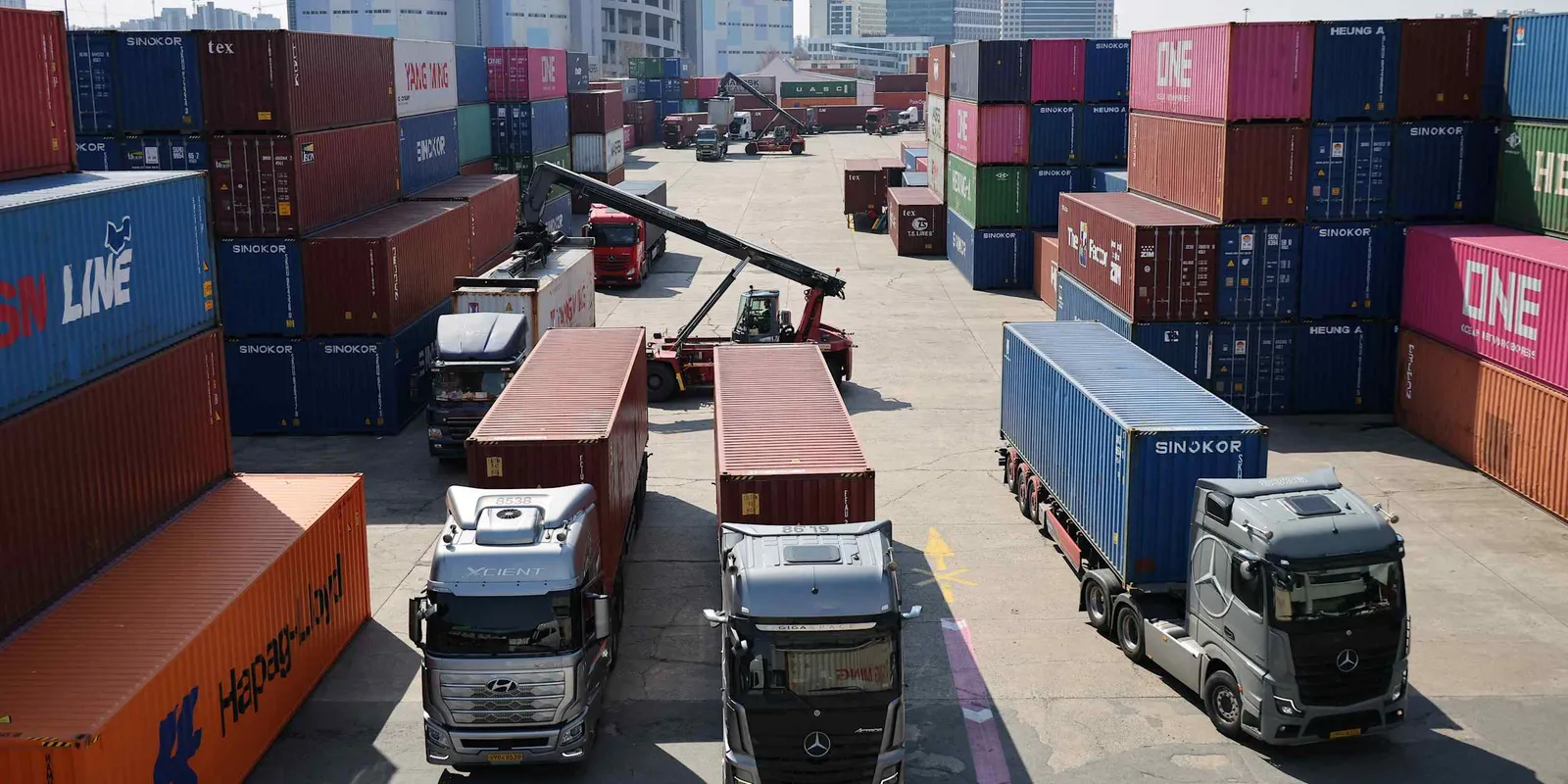
Nikkei Asia reports that South Korea’s exports in June topped $100 billion for the first time, surpassing the $100B mark on the back of chip demand. For decision-makers, it signals that semiconductors are not just a cyclical driver, but a direct balance-sheet lever.
South Korea’s exports in June jumped past $100 billion for the first time ever, with chip demand doing the heavy lifting, according to Nikkei Asia. That is the kind of milestone that changes internal planning: when export totals break a psychological threshold, budgets, inventories, and capacity discussions tend to get revised immediately.
The headline number matters because it is not a small step. Crossing $100B in a single month sets a new reference point for forecasting and performance evaluation across the supply chain. For executives, the immediate question becomes simple and practical: is this a one-off surge, or the start of a more sustained demand cycle? Nikkei Asia’s framing ties the acceleration directly to chips, which helps explain why this export surge is showing up where it does.
To understand why chip demand can move whole-economy export figures, it helps to remember how concentrated semiconductor supply chains are. South Korean manufacturers sit in the middle of global electronics demand, and when buyers ramp for devices like servers, networking gear, and consumer electronics, it often shows up quickly in shipping volumes and purchase orders. In other words, a semiconductor-driven demand shift can cascade through wafers, memory, components, and ultimately finished products that get exported. That cascade is what turns “chip demand” from an industry buzzword into a monthly macro number.
From a boardroom perspective, the second-order issue is timing. Even when demand is strong, execution still depends on production schedules, yield improvements, logistics, and inventory management. A June print that clears $100B for the first time tells you demand was there. But it also raises operational follow-ups: are companies positioned to sustain higher shipments through the next quarter, or will constraints and lead times cap the run-rate? CFOs and supply-chain leaders typically treat these milestone months as calibration points, because forecasting error gets expensive when the cycle flips.
There is also a risk-management dimension. Semiconductor demand can be powerful, but it is rarely smooth. Customer orders can accelerate and then normalize, and pricing can swing depending on product mix and competitor supply. So decision-makers should read “chip demand” as both a growth engine and a volatility source. When exports are pulled upward by a single major driver, it creates concentration risk in planning. That affects how boards evaluate resilience: do they have contingency plans if the chip tailwind fades faster than expected, or if trade conditions change?
Trade policy and regulatory framing can further influence how executives interpret the numbers. Semiconductors live in a world where governments actively support domestic capacity, manage export controls, and pursue strategic manufacturing capabilities. Even when the immediate data is “exports are up,” the broader context can shape where demand comes from and how durable it is. Executives typically connect these dots when they review capex plans. If demand is strong because of a particular regional purchasing cycle or policy environment, capex timing needs to account for that backdrop.
So what does this mean for peers watching similar markets? For any executive relying on global tech demand, South Korea’s June milestone is a signal worth treating seriously. It suggests that chips are currently strong enough to push aggregate export performance into new territory. That can influence hiring plans, working capital decisions, and supplier contracting strategies across the electronics ecosystem. It also raises the stakes for diligence: peers should monitor whether the chip-led momentum is concentrated in a few products or broad-based across segments.
Ultimately, the strategic takeaway is about how fast a semiconductor cycle can become an “everything” story. When exports cross $100 billion in June for the first time on chip demand, it is not just a headline metric. It is a real-time stress test for forecasting, inventory, and investment discipline. Boards that internalize that quickly will be better positioned to capitalize on momentum without getting blindsided when the cycle inevitably evolves.
This story's Key Insights and Take-aways are locked.
Create a free account to unlock Executive Actions for one credit.
Register to UnlockAlways free for Executives Club members. Join the Club
More in Business

Comcast shares jump 25% as it plans to split NBCUniversal and Sky
The tax-free spin-off could reshape focus, funding, and competition across media and tech for years.

Bungie cuts most Destiny 2 staff as Sony says Marathon still matters
Herman Hulst confirms layoffs affecting most Destiny and some Marathon teams after Bungie admits Destiny fell short.

SK Hynix jumps 11% after seeking up to $29.4B in Nasdaq listing
The chip giant filed for a Nasdaq listing plan that could raise $29.4 billion, instantly reshaping investor expectations.