
South Korea fines Coupang record $409 million over breach tied to 34 million accounts
The regulator says the damage came from basic safety failures, triggering investor, U.S.-Korea friction, and revenue risk.
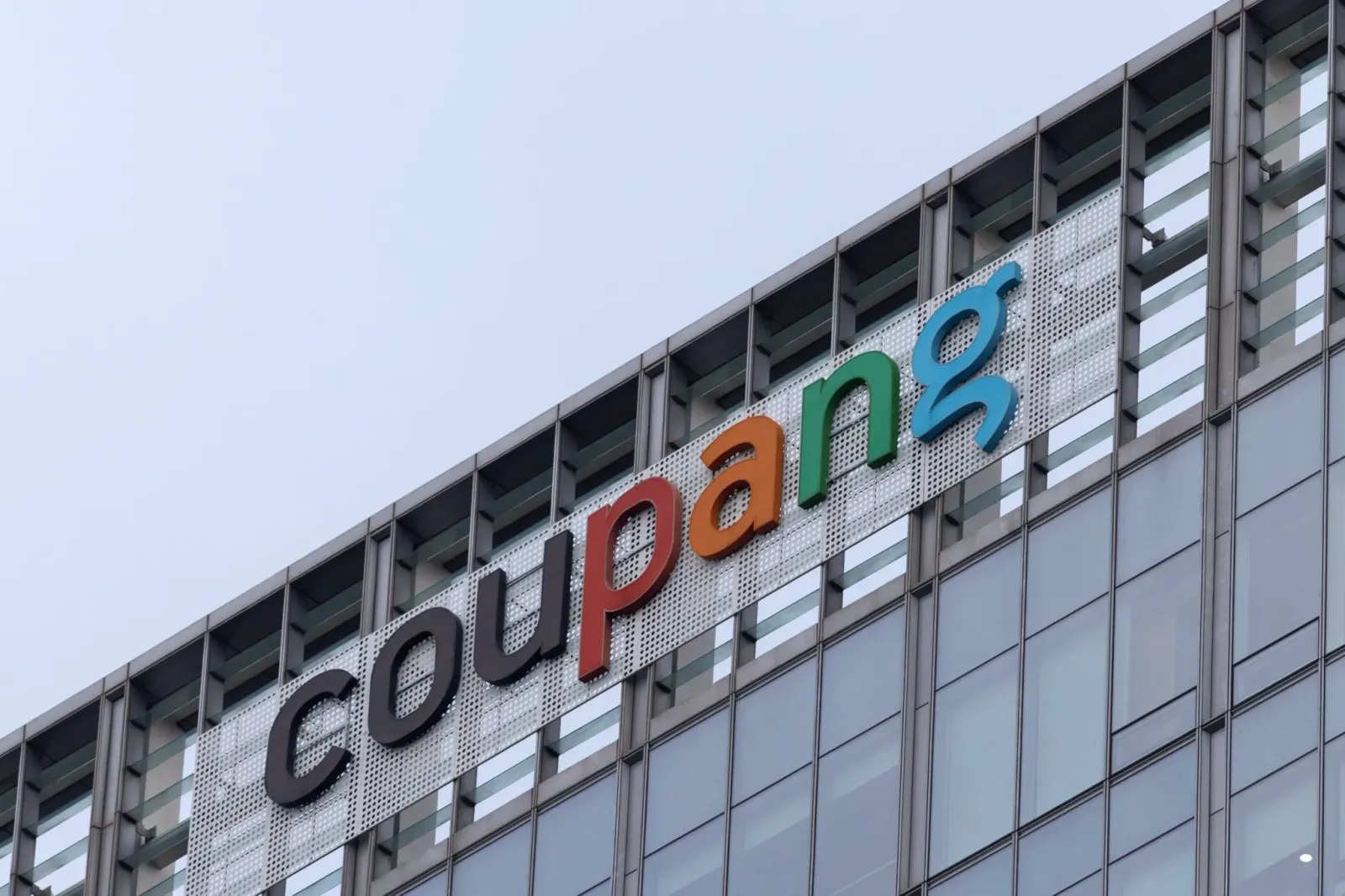
South Korea’s Personal Information Protection Commission fined Coupang Corp. and its logistics unit record amounts after finding improper access to nearly 34 million accounts by a former employee. The decision also escalated into diplomatic friction involving the U.S., with investor pressure and management disputing the regulator’s view.
South Korea just handed Coupang a record $409 million penalty tied to a data breach that regulators say involved nearly 34 million accounts. The fine is not just a slap on the wrist. It is the biggest-ever personal-data penalty the country has imposed since a 134.8 billion won case against SK Telecom last year, and it is large enough to reshape how executives across e-commerce treat security as a board-level issue.
The Personal Information Protection Commission imposed a 624.7 billion won ($409 million) fine on Coupang Corp., Coupang’s South Korean entity, for a cyber incident that, according to the regulator, was not caused by sophisticated hacking. The commission’s chairperson, Kyung Hee Song, said the breach was caused by “Coupang’s inadequate basic safety management system and negligent management.” She also framed the problem as scaling without keeping security systems “pace” with rapid growth fueled by large-scale customer data. In other words, this is not a story about “we were unlucky.” It is a story about controls that were supposed to prevent harm failing to do so.
So what exactly did regulators find? The breach came to light after authorities discovered that a former employee improperly accessed personal information from nearly 34 million accounts, described as about two-thirds of South Korea’s population. The access went undetected for months. That detail matters because many breaches are discovered quickly by the victims. Here, regulators were effectively saying: the breach stayed hidden, which points directly to monitoring, access controls, and internal safeguards.
Under Korean regulations, the regulator can impose fines of up to 3% of annual sales, which is why a case like this can jump from “bad incident” to “boardroom event.” The fine’s structure also shows how regulators categorized wrongdoing. Of the total imposed on Coupang, 423.6 billion won was levied for leaking personal data, and 201.1 billion won was levied for non consensual data collection, according to regulators. Separately, regulators imposed a 248 million won fine on Coupang Fulfillment Services, Coupang’s logistics subsidiary, for unlawfully collecting personal information and using it to place individuals on an employment restriction list.
If you are wondering why a data breach would become a U.S. diplomatic issue, the answer is that it drew U.S. attention and political heat on both sides. The source says domestic backlash against Coupang and multiple South Korean probes into its cybersecurity measures created friction with the U.S. After the breach, Greenoaks Capital Partners LLC, a major investor in Coupang Inc., urged the U.S. government to investigate South Korea in January, alleging discriminatory treatment of the American-listed e-commerce company. South Korean lawmakers, meanwhile, pushed back and described it as U.S. political pressure over the handling of Coupang and its executives.
That context matters for executives because it changes the stakeholder map. You are not only managing regulators and customers. You also manage international investors, listed-market expectations for a U.S.-listed company, and the risk that governance decisions become politicized. Coupang is incorporated in the U.S. but operates one of South Korea’s most widely used e-commerce platforms, which makes it an unusually exposed target: it sits between jurisdictions and regulatory cultures.
Coupang, for its part, said it regretted the regulator’s decision. In a statement released after the fine was announced, the company said the decision “did not fully reflect Coupang’s proactive measures to prevent secondary harm following last year’s data leak.” Importantly, under Korean law, the company could still challenge the ruling in court, which means this penalty is both a cost and a litigation risk. That is critical for anyone on the hook for compliance budgets: penalties can be contested, but the operational and reputational damage from being a regulator case study often does not wait for court dates.
The breach is also already showing up in the market narrative. The source notes that last month Coupang warned revenue growth will slow this year after issuing vouchers to customers in response to the breach. Its shares have shed about 35% since the start of the year, tying regulatory action to investor sentiment. Even if the company wins some ground in court, customers already experienced disruptions, and the company already signaled slower growth.
For boards and risk leaders at fast-growing companies, the biggest takeaway is the regulator’s framing: the incident was not about an exotic “advanced hack.” It was about inadequate basic safety management and negligent management, despite rapid growth powered by large-scale customer data. That is a warning built into the fine itself. When your value proposition depends on collecting and using personal information at scale, “basic” controls, access governance, monitoring, and internal accountability stop being operational details and start being the difference between a routine incident and a record-breaking public reckoning.
This story's Key Insights and Take-aways are locked.
Create a free account to unlock Executive Actions for one credit.
Register to UnlockAlways free for Executives Club members. Join the Club
More in Business

SpaceX IPO: Wedbush calls a Tesla merger “holy grail,” Morningstar pegs $63 fair value
Trading starts June 12 at $135, but analysts are split over a $72-per-share “option premium” on orbital AI dreams.

Razer CEO Min-Liang Tan: AI mega-listings are 'just the start' before IPO wave
Min-Liang Tan says blockbuster AI IPOs are likely the opening act. Here is what that means for capital, governance, and timing.
UK Treasury delays decision on £1.7B Matrix ERP program until December
Workday finance and HR rollout slips again, and HMT may decide whether to join cloud-based shared services.