

South Korea’s top court keeps Yoon Suk Yeol’s 7-year sentence for 2024 martial law
The Supreme Court upholds the seven-year prison term tied to Yoon’s botched martial law declaration, reshaping how power will be judged.
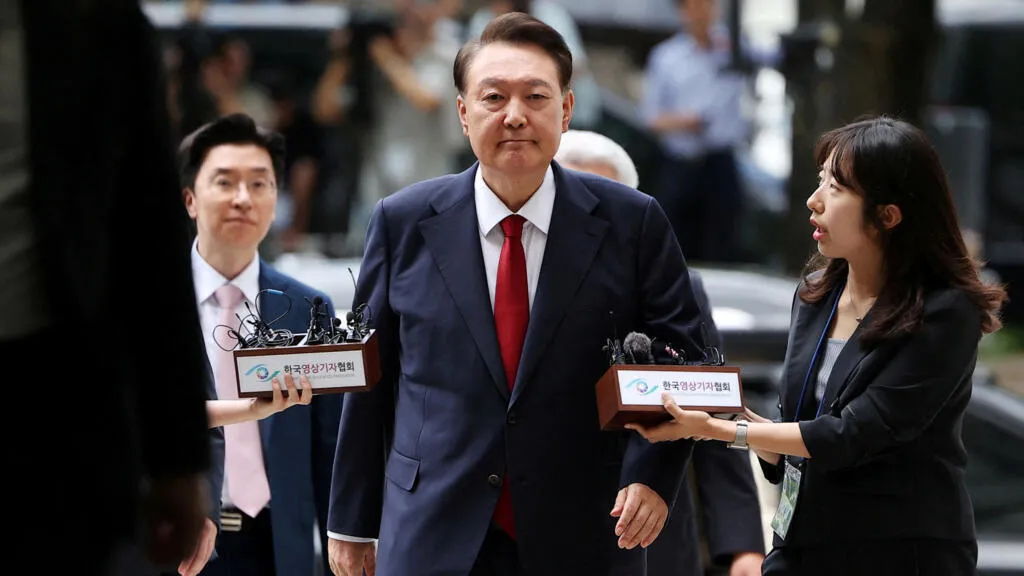
South Korea’s Supreme Court upheld the seven-year prison sentence given to former president Yoon Suk Yeol for charges including obstruction and other crimes related to his 2024 martial law declaration. For decision-makers, the ruling signals how narrowly courts will define legitimate emergency action when it derails institutions.
South Korea’s Supreme Court on Thursday upheld a seven-year prison sentence for former president Yoon Suk Yeol, tied to his botched 2024 martial law declaration. The court’s decision keeps in place a punishment that stemmed from charges including obstruction and other crimes linked to the dramatic, emergency-style move that detonated politically and institutionally.
Yoon, a disgraced former president, has insisted that his martial law declaration was motivated by the public interest. That claim is now up against the Supreme Court’s final answer: the court upheld the seven-year term, meaning Yoon’s legal challenge did not overturn the case that the declaration was improper and crossed legal lines.
If you only track politics, this can sound like one more chapter in a familiar democracy tale: a leader tried something extreme, courts weighed legality, and a punishment followed. But the deeper signal is about the boundaries of power in a crisis. Martial law is not just “a tough decision.” It is a constitutional lever that changes how the state operates, how rights function, and how fast accountability is supposed to kick in. When courts uphold sentences in these cases, they are effectively drawing a hard line under what “emergency” can justify.
South Korea has been wrestling with the practical challenge of emergency governance and the legal question of who gets to decide when the nation is under sufficient threat to suspend or reshape normal procedures. The source here is straightforward: the Supreme Court upheld the seven-year sentence, and the case is anchored to obstruction and related crimes. That combination matters. Obstruction charges signal that prosecutors and the court were not just focused on whether martial law was declared, but also on what actions surrounded it, and whether those actions interfered with the functioning of institutions.
The broader regulatory and institutional context is that legal outcomes like this become a reference point for future leaders and for the institutions that restrain them. Even when business leaders are not directly involved, there is a corporate governance echo. Boards and executives watch how courts interpret responsibility, because political stability, predictability in rulemaking, and the durability of legal protections feed into investment decisions, labor and regulatory certainty, and overall risk pricing.
Think about second-order effects: after a top court decision, it can become harder for successors to argue that extraordinary measures should be treated as “good faith” public service unless they also satisfy strict legal tests. Yoon’s stated position, that the martial law declaration was motivated by public interest, underscores the tension courts must resolve in these scenarios. The Supreme Court’s choice to uphold the seven-year sentence says the court judged intent and outcome against the legal standard, and found that the legal risk he took was not just politically costly but criminally relevant.
For decision-makers, this is also a reminder that legal responsibility is not an afterthought. When emergency actions collide with constitutional structure, the consequences can land at the highest levels. A former president is not a mid-level manager who can claim ambiguity or delegate accountability. If the court holds former leaders to account for obstruction and related crimes tied to an emergency declaration, that logic eventually filters into how institutions demand documentation, process, and compliance even in fast-moving situations.
Finally, there is the strategic stakes for anyone in similar roles or advising them. Courts are setting expectations about what legitimate emergency action looks like, what legal guardrails exist, and how quickly institutions should face scrutiny when they are tested. When the Supreme Court upholds a seven-year sentence, it is not only about one person. It is about whether the system will deter future “martial law” impulses, and whether the public and investors can rely on the rule of law to settle the question after the smoke clears.
This story's Key Insights and Take-aways are locked.
Create a free account to unlock Executive Actions for one credit.
Register to UnlockAlways free for Executives Club members. Join the Club
More in Politics
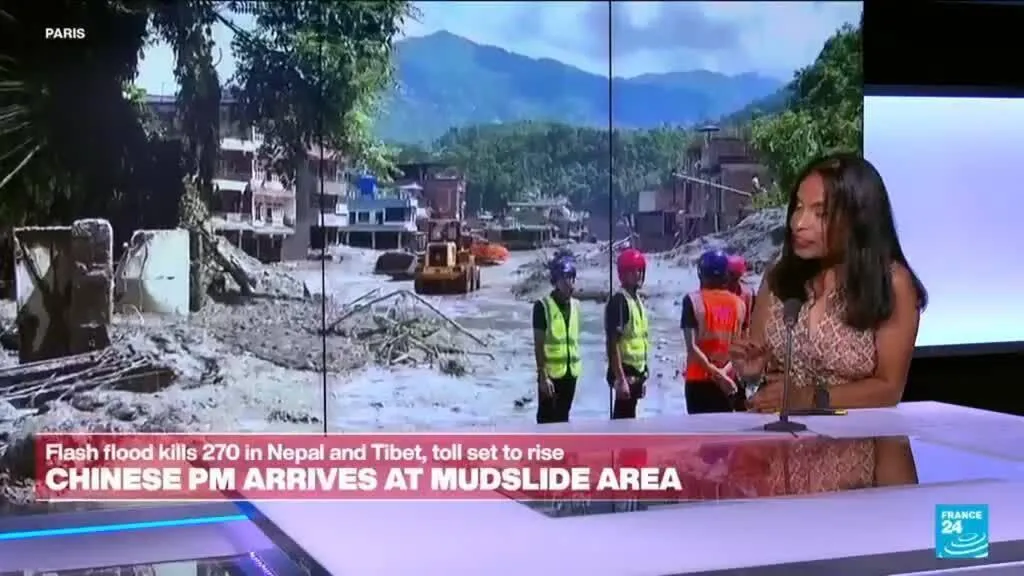
Glacial collapse, not rain, killed 180 in Nepal's Himalayan flood
The Himalaya's extreme geography hid the true cause of Nepal's catastrophic flood, a glacial collapse that turned a geological battleground into a mass-casualty zone.
Iran’s Esmail Baghaei says Oman talks start shipping via Hormuz, not US talks yet
Temporary route plans with Oman aim to restart commerce while Tehran says Washington dialogue is not on the table.
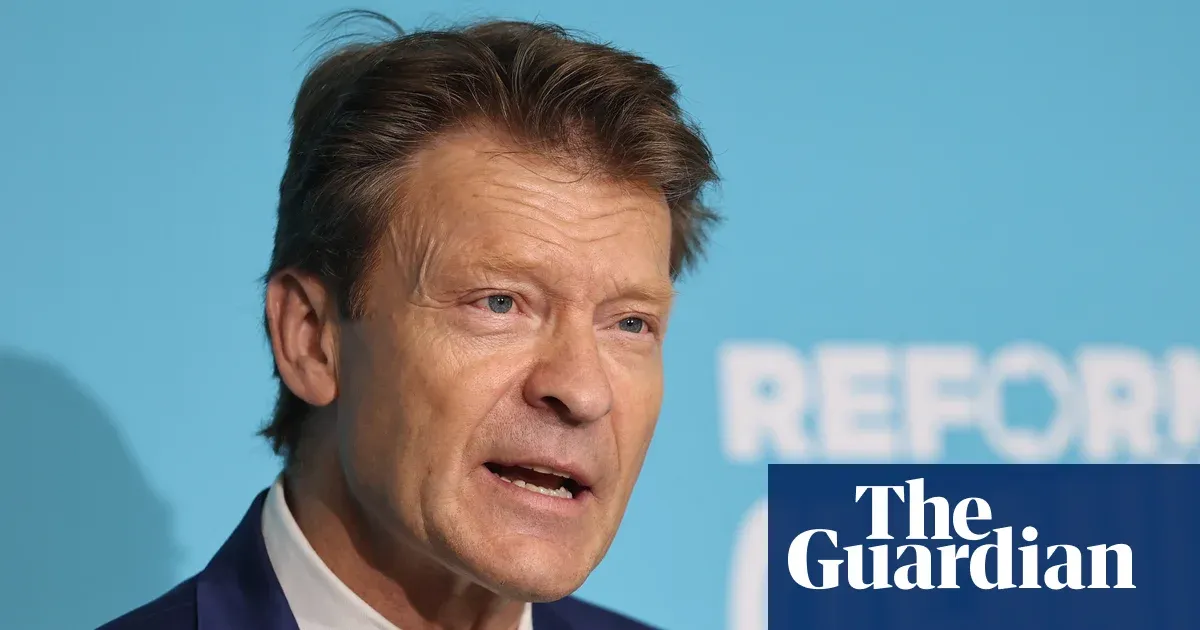
Standards watchdog opens probe into Reform UK deputy leader Richard Tice over interests
The parliamentary standards commissioner says it began an investigation on 28 July into a possible undeclared interest.