

Space Force triples NSSL Phase 3 ceiling to $17B as demand for military launches rises
The Pentagon wants more satellite rides to orbit, and the acquisition math just changed for every launch provider.
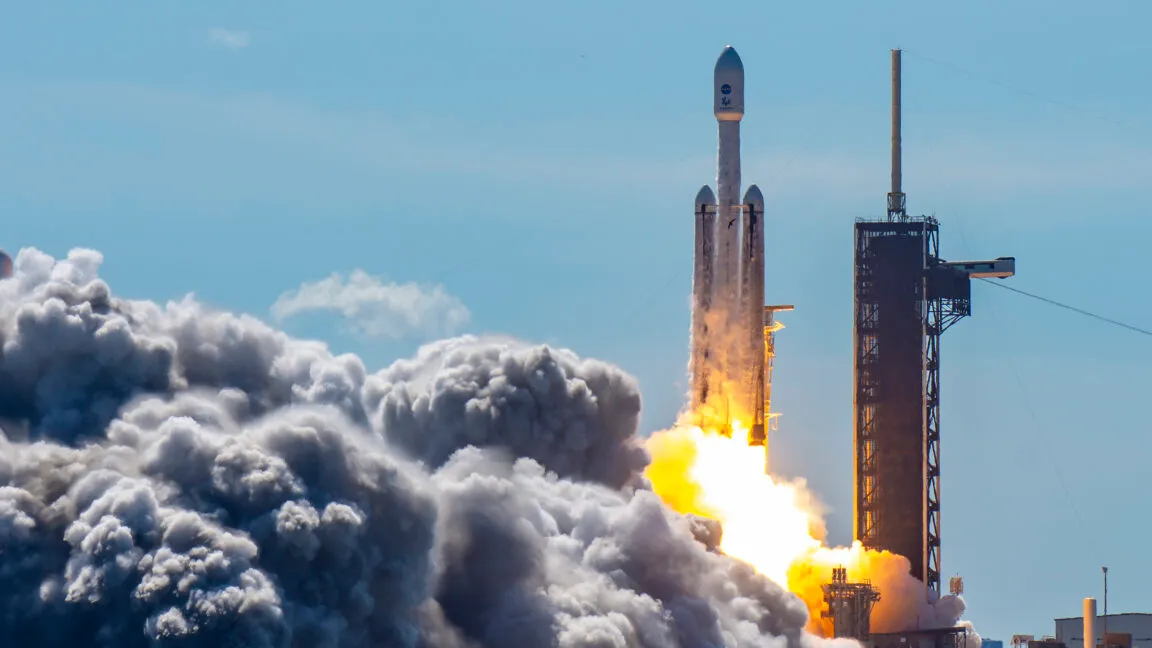
On Friday, the US Space Force announced officials were tripling the maximum value of one National Security Space Launch (NSSL) Phase 3 contract to $17 billion. That expansion reflects the Pentagon signaling rising demand for military satellite launches, pushing Space Systems Command to select from more providers across NSSL.
The US Space Force just raised the roof on how much it can spend on launches, and the number is big enough to move markets: on Friday, military officials announced they were tripling the maximum value of its National Security Space Launch (NSSL) Phase 3 contract to $17 billion. This is not a ceremonial tweak. It is the kind of procurement expansion that changes what suppliers build, which bids get prioritized, and how quickly companies can ramp production and launch capacity.
Why now? The expansion is tied to a broader signal from the Pentagon that demand for military satellite launches is rising. In plain English, more missions are coming, and the buying system has to be able to fund them. NSSL is the mechanism that lets the Space Force do that mission-by-mission: the program allows Space Systems Command, which oversees the Space Force's launch program, to select from a pool of launch providers for individual missions delivering the military's satellites to orbit.
If you are a launch provider, this matters because NSSL is not a single, one-size-fits-all contract. It is built to funnel launches into two lanes based on mission risk and priority. Lane 1 is for the Space Force's more risk-tolerant missions. That includes medium-lift launches with experimental payloads, plus rideshare missions carrying satellites for the Pentagon's surveillance or data relay constellations. Lane 1 sounds like the “okay, let’s try something” bucket, but it can still translate into frequent launches because rideshare missions can stack multiple customers into a single flight.
Lane 2, on the other hand, is for higher-priority strategic missions. That bucket includes the government's largest and most expensive spy satellites, plus radiation-hardened communications satellites designed to survive a nuclear war. Those phrases are procurement shorthand for high consequence. In practice, it means Lane 2 missions tend to carry tighter requirements and higher stakes if something goes wrong. The Space Force’s decision to expand NSSL Phase 3 capacity to a $17 billion ceiling raises the odds that both lanes will see more funded opportunities over time, even if the exact mix of missions still depends on what the Pentagon buys and when.
It also helps to understand why the Space Force is doing this in the first place. NSSL has been set up specifically to handle the military's need for reliable access to orbit across different mission profiles. A “pool of launch providers” approach can reduce single-provider dependency and create competition where it counts, while still giving the command structure the flexibility to match mission requirements to a compatible provider. When the maximum value increases, it effectively gives that selection machinery more room to keep signing up missions without hitting a budget ceiling.
This is where the second-order implications show up for executives and boards. Procurement ceilings are not just accounting. They influence planning horizons. Companies bidding for defense launch work often have to decide how much to invest in capacity, manufacturing throughput, and systems readiness. A higher ceiling can improve the visibility of future work, which can affect hiring and supply chain commitments. It can also shift leverage in negotiations, because suppliers want to understand whether they are bidding into a growing pipeline or a capped one.
There is also a market signaling effect. The source notes the expansion is coming as the Pentagon signals rising demand for military satellite launches. Even if you are not selling directly to NSSL, defense launch demand tends to shape overall capacity constraints. Launches compete for rockets, range time, integration labor, and mission assurance attention. If the government buyer is planning more flights, that can tighten bandwidth and push timelines across the industry.
For peers in similar roles, the strategic stake is straightforward. The Space Force is telling the market it expects to launch more military satellites, and it is upgrading its contracting ceiling to do it. Space Systems Command now has more headroom to select launch providers across NSSL Phase 3, splitting work between risk-tolerant Lane 1 missions and high-priority Lane 2 missions that include the government's largest and most expensive spy satellites and radiation-hardened communications satellites intended to survive a nuclear war. If you run a company that touches the launch ecosystem, or you sit on a board deciding how to allocate risk and capital, the headline is the same: the funding ceiling has moved, and the mission tempo is the reason.
This story's Key Insights and Take-aways are locked.
Create a free account to unlock Executive Actions for one credit.
Register to UnlockAlways free for Executives Club members. Join the Club
More in Business

Uber buys Delivery Hero for nearly $15B, vaulting to top food delivery outside China
The deal doubles Uber's dual-services footprint and pushes a ride-and-eats bundling play into 50 more markets.

Epic and Google drop settlement bid, forcing rival Android app stores by July 22
Google told the court it is ready to carry third-party app stores starting Wednesday, July 22.
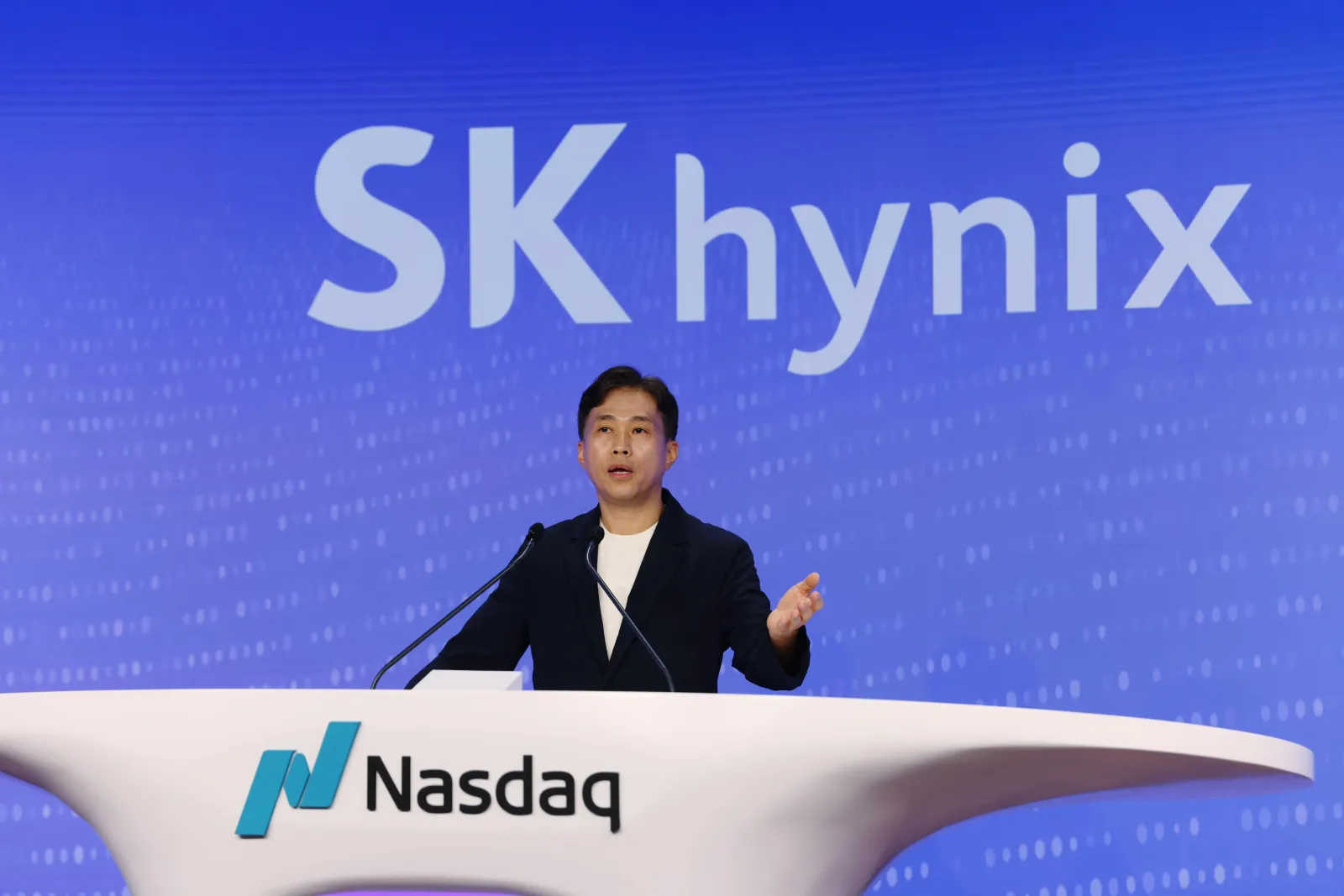
SK Hynix opens at $170, raises $26.5B, and tops foreign IPO records
In Friday's Wall Street debut, SK Hynix turns AI RAM demand into a $26.5B fundraising moment that rewrites comps.