

SpaceX aborts launch, shares fall again: below IPO price for a second day
A postponed crucial mission hits sentiment fast, dragging SpaceX stock below its IPO level again and raising pressure on timelines.
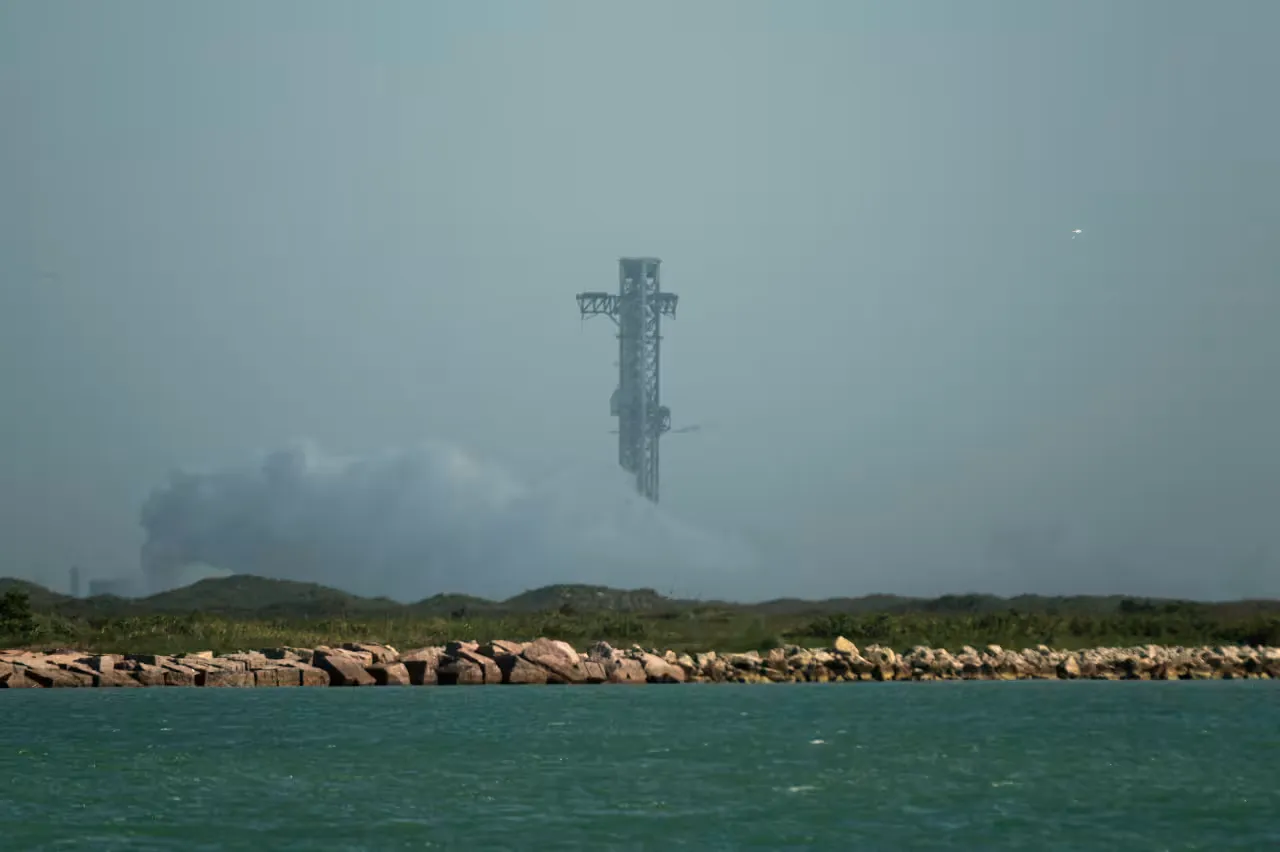
SpaceX postponed a crucial launch, and its shares declined about 4% in premarket trading on Friday after the aborted mission. The consequence for decision-makers: the market is pricing execution risk immediately, not after the fact.
SpaceX postponed a crucial launch, and the market reacted before the day even properly started. According to MarketWatch, shares in SpaceX declined about 4% in premarket trading on Friday after the mission was aborted.
The bigger, more uncomfortable datapoint is what comes with that move: SpaceX stock closed below its IPO price for a second day. That detail matters because IPO pricing is the market's initial “this is what we think the business is worth” anchor. When trading persists under that anchor, it signals that investors are not just waiting for better news. They are discounting the story in real time.
So what does “postponed a crucial launch” actually do to a company like SpaceX in the market’s eyes? Launch schedules are more than operational milestones. They are the visible proof-points that underwrite revenue timing, customer confidence, and the credibility of future missions. Even when a delay is technically driven, the stock market treats it as a risk indicator: if something can slip at the last moment, what else might slip? For public-market participants, that question shows up as lower valuation multiples and faster selling when the headlines hit.
Notice the timeline here. The report says shares declined about 4% in premarket trading on Friday after the aborted mission. Premarket is when early order flow sets the tone, often before mainstream news cycles and before many investors have a chance to reframe the narrative. A 4% move before the open is not a rounding error. It tells you that enough buyers and sellers have already decided that this is not just noise.
From a governance and board-dynamics perspective, the key is that execution risk tends to become a recurring agenda item. Launch companies operate in a world where regulators and range safety are real constraints, and where the difference between “successful” and “aborted” can come down to a chain of technical checks. In public markets, boards still have to answer the investor question that never fully goes away after an IPO: how reliably can management convert milestones into outcomes?
Regulatory framing is part of that investor mental model, even when the specific regulator is not named in the source. Space launches are typically subject to oversight, including licensing and safety considerations. That means delays and postponements can sometimes be inevitable. But the market still wants to know whether postponements reflect normal prudence or whether they hint at deeper problems. When stock trades below IPO price for a second day, it suggests investors are leaning toward “more risk than reward, at least for now,” not “nothing to see here.”
For decision-makers at peers in space and adjacent industrial tech, the second-order effect is straightforward: execution timing has capital-market consequences. Even companies with strong engineering track records can find their valuation narrative wobbling if launch outcomes do not line up with expectations. That is why rival providers, suppliers, and customers watch stock moves, not only technical telemetry. A stock that stays stuck under IPO pricing can change how potential partners negotiate terms, how lenders underwrite risk, and how customers think about delivery confidence.
The strategic stakes for operators and capital allocators are also personal. When a company’s shares close below IPO price for the second day, executives are dealing with a market that has already started to apply pressure. That pressure often shows up internally as more intense milestone reviews, faster escalation of issues, and tighter communications with investors about readiness and contingency planning. Externally, it can affect how management manages expectations for the next attempt at a “crucial” mission, because credibility is now being tested in near-real time.
MarketWeek’s framing is telling: the aborted mission did not just cause a one-off dip. The stock’s pattern, including closing below IPO price for a second day, indicates that investors are treating this postponement as material. In other words, SpaceX is not just postponing a rocket launch. It is postponing parts of its valuation argument, and the market is making that delay expensive.
This story's Key Insights and Take-aways are locked.
Create a free account to unlock Executive Actions for one credit.
Register to UnlockAlways free for Executives Club members. Join the Club
More in Business

Uber buys Delivery Hero for nearly $15B, vaulting to top food delivery outside China
The deal doubles Uber's dual-services footprint and pushes a ride-and-eats bundling play into 50 more markets.

Epic and Google drop settlement bid, forcing rival Android app stores by July 22
Google told the court it is ready to carry third-party app stores starting Wednesday, July 22.
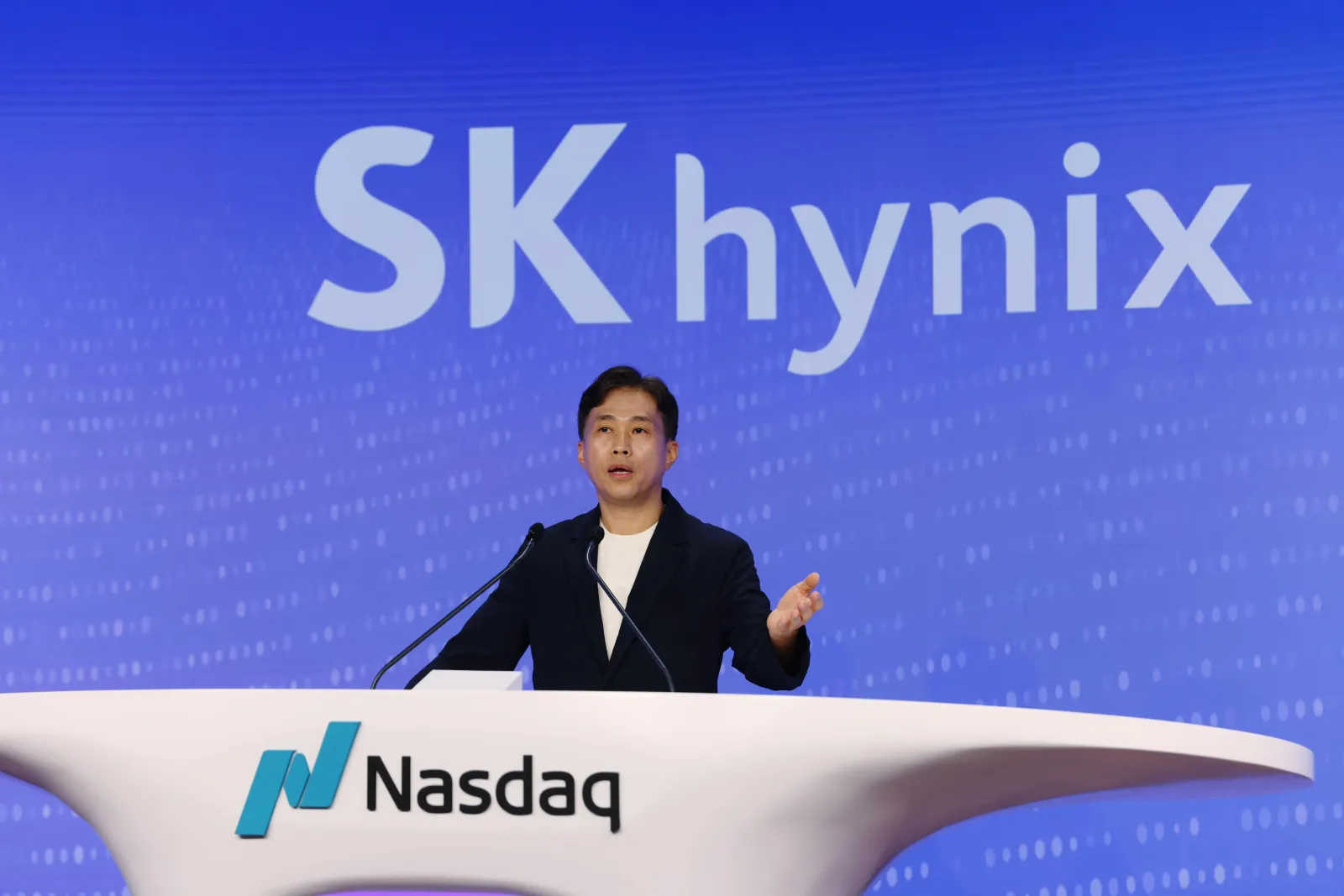
SK Hynix opens at $170, raises $26.5B, and tops foreign IPO records
In Friday's Wall Street debut, SK Hynix turns AI RAM demand into a $26.5B fundraising moment that rewrites comps.