

SpaceX aborts Starship V3 launch after ignition, shares drop 4% after hours
A second try at Starship V3 ended fast. Here is what the abort signals for reliability, schedules, and market nerves.
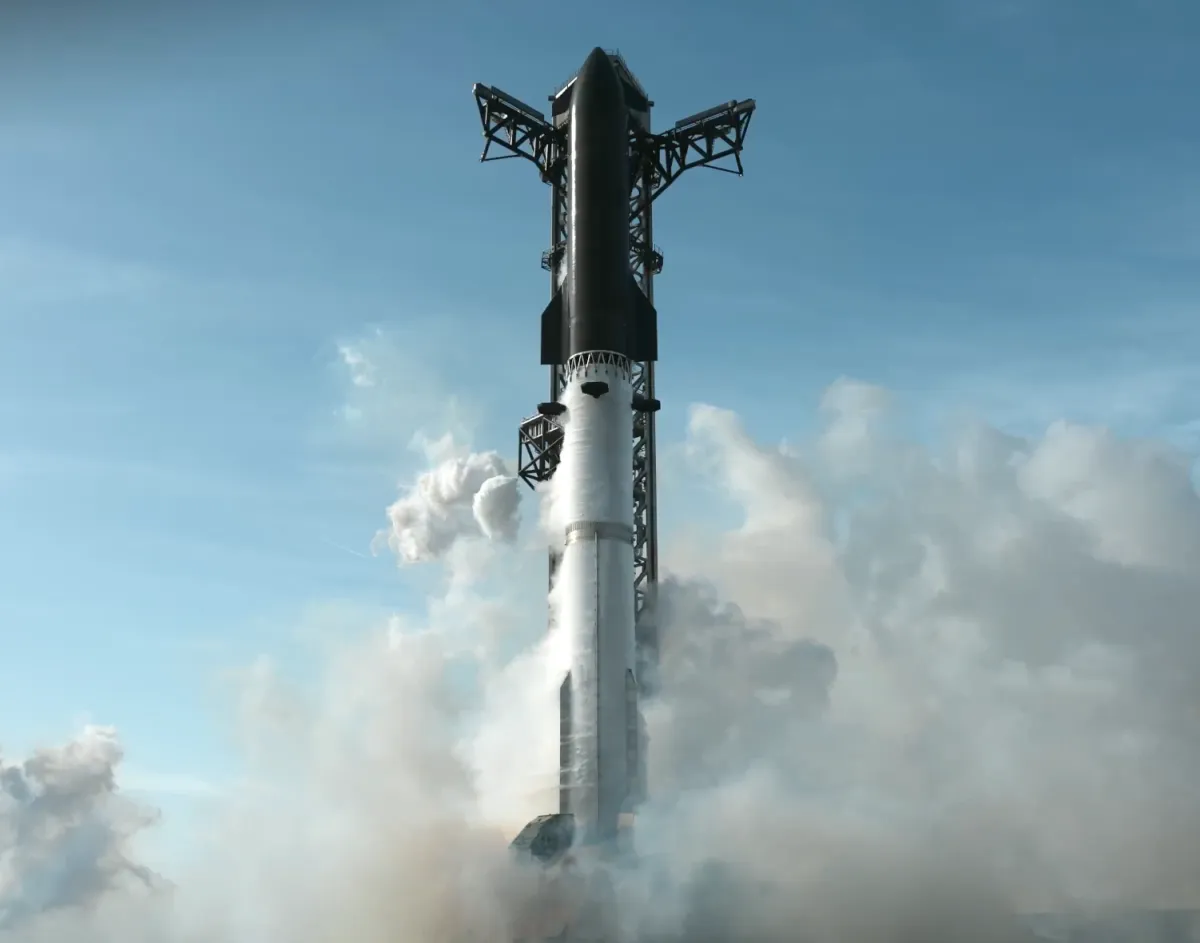
SpaceX abruptly aborted a second Starship V3 launch after ignition, without immediately explaining what went wrong. The immediate market reaction was sharp, with shares plunging more than 4% in after-hours trading before paring losses.
SpaceX aborted its second Starship V3 launch attempt after ignition, and it did not immediately say what went wrong. The lack of instant clarity matters in a business like this, because Starship is not just a technical project. It is a schedule, a platform, and a credibility engine for everything from future flight cadence to downstream commercial and government planning.
The market reacted quickly. SpaceX's stock plunged more than 4% in after-hours trading before paring losses, underscoring how sensitive investors are to launch outcomes, especially when events happen early in the sequence like an abort after ignition. Even when losses later shrink, the first print tells you what people were pricing in: a risk that the vehicle is not yet meeting the reliability bar implied by repeated attempts.
To understand why a moment after ignition can move the stock, you have to remember how launch updates are processed by the market. Investors in space companies tend to treat launch vehicles as probabilistic systems. A successful launch is not only a milestone, it is evidence. Evidence changes expectations about technical progress, flight frequency, and the feasibility of future timelines. When a launch is aborted quickly and the cause is not immediately explained, the information gap itself becomes part of the risk. The company may already be working through the anomaly, but investors cannot underwrite what they cannot see.
This was a second attempt of Starship V3, which adds another layer of pressure. A first launch can be framed as “we are still learning.” A second one is typically interpreted as, “we should be closer.” That is not a guarantee, and space systems routinely have issues. But as the number of attempts increases without a clean resolution, the market starts to shift from tolerating delays to questioning how long “normal learning” will last.
There is also a schedule and optics problem. Space programs are ecosystems. Customers, partners, and regulators plan around real dates, not just aspirations. When a launch attempt ends in an abort, planning can get disrupted even if the problem turns out to be small. And when SpaceX does not immediately provide details, stakeholders must wait. Waiting forces everyone to hold more uncertainty in their models: mission timelines, potential revenue timing, and contingency planning costs.
From a regulatory standpoint, launch vehicle operations exist inside a compliance environment that treats safety and control as non-negotiable. Even when the root cause is technical rather than procedural, repeated launch disruptions can raise questions in the public and regulatory imagination. The key point for executives is not that a single abort automatically changes legal status. It is that patterns, especially unexplained ones, can become the backdrop against which regulators and stakeholders evaluate risk management. For a company trying to scale flight operations, transparency timing and communications strategy are operational levers.
Second-order implications extend beyond SpaceX stock. Competitors and suppliers watch these events because they indicate where bottlenecks are likely to appear. A rapid abort after ignition hints at the kind of system boundaries that can be hard to iterate on quickly, such as ignition sequencing, flight control transitions, or other early-flight subsystems. If those are involved, they can become recurring friction points until resolved. That can affect how quickly competing launch providers and partners can lock in schedules, and it can influence how investors compare risk across the sector.
For decision-makers, there is a board-level takeaway here. In capital-intensive industries, the technical narrative is always tied to market narrative. The more abrupt and unexplained the disruption, the more the market discounts the near-term path, even if long-term progress continues. SpaceX later pared losses, which suggests sentiment was not purely negative, but the initial plunge of more than 4% is a reminder: investors are pricing the probability of “next time works” in real time.
So what does this mean strategically for peers managing similar programs? It reinforces that reliability is a financial asset, not just an engineering goal. When events occur after ignition and details are delayed, uncertainty itself becomes tradable risk. Companies that can reduce that uncertainty faster, through clearer operational updates, disciplined communications, and demonstrated troubleshooting progress, tend to stabilize expectations. For everyone else in launch, propulsion, and space infrastructure, the signal is straightforward: your execution cadence and your ability to explain deviations quickly may matter just as much as the underlying hardware fix.
This story's Key Insights and Take-aways are locked.
Create a free account to unlock Executive Actions for one credit.
Register to UnlockAlways free for Executives Club members. Join the Club
More in Business

Uber buys Delivery Hero for nearly $15B, vaulting to top food delivery outside China
The deal doubles Uber's dual-services footprint and pushes a ride-and-eats bundling play into 50 more markets.

Epic and Google drop settlement bid, forcing rival Android app stores by July 22
Google told the court it is ready to carry third-party app stores starting Wednesday, July 22.
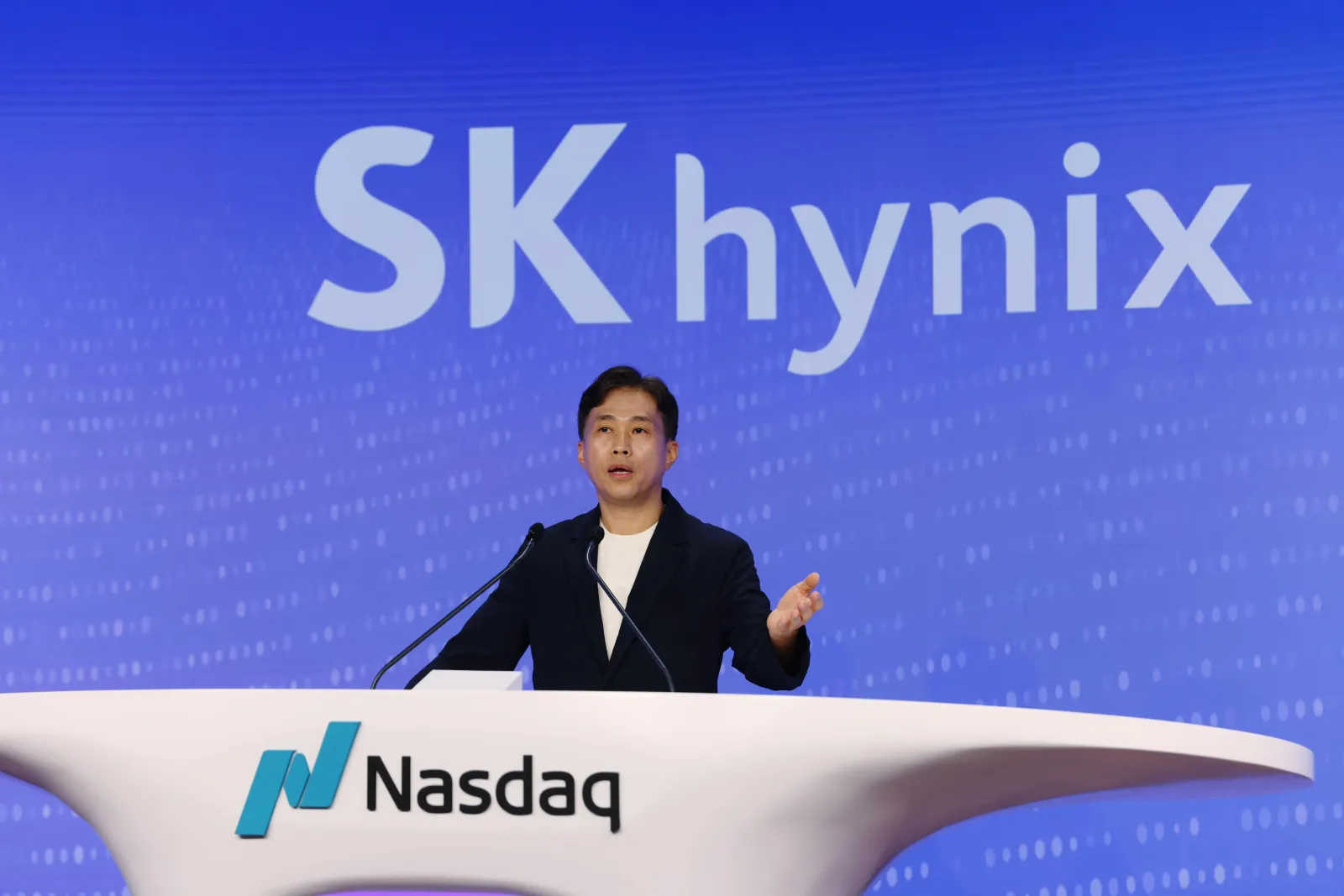
SK Hynix opens at $170, raises $26.5B, and tops foreign IPO records
In Friday's Wall Street debut, SK Hynix turns AI RAM demand into a $26.5B fundraising moment that rewrites comps.