
SpaceX borrows at least $20bn via debut bond sale to fund AI build-out
The debut public bond offering gives SpaceX a new financing playbook as it ramps an AI-heavy expansion.
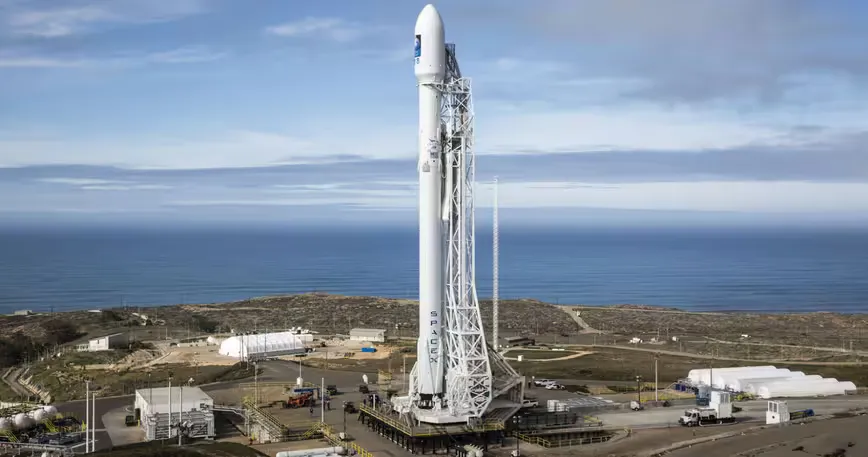
Fresh off a record IPO that helped make Elon Musk a trillionaire, SpaceX is raising at least $20bn in its first bond sale. The move matters because it shifts SpaceX from private-style capital to public bond investor funding for an AI build-out.
SpaceX is about to do something none of Elon Musk's companies has done before: borrow money from public bond investors. Fresh from a record IPO that helped make Musk a trillionaire, SpaceX is raising at least $20bn in what is described as its debut bond sale, with proceeds aimed at bankroll a vast AI build-out. In other words, this is not a small treasury tweak. It is a step-change in how the company plans to fund one of the most capital-hungry bets in tech.
The headline stake is straightforward and big. SpaceX is raising at least $20bn in its debut bond sale. And that matters because bonds are typically where companies go when they want scale financing without giving up ownership. For decision-makers watching the market, it signals SpaceX wants runway measured in years, not quarters, and it wants that runway from public markets rather than only from private capital or internal cash generation.
To understand why this is a serious pivot, you have to zoom out to how financing usually works for companies like SpaceX. Many high-growth companies in the Musk orbit have historically relied on private fundraising and equity-like dynamics, even when they are operationally mature. A bond sale flips the script. It brings a new constituency into the room: public bond investors who will care about repayment ability, cash flow timing, and risk. That can change internal behavior too. When public capital is involved, the company tends to pay more attention to disclosure discipline, risk framing, and the mechanics of long-dated funding.
There is also an incentive layer that is easy to miss when you only look at the money number. Musk's IPO-driven wealth headline is not just celebrity trivia; it is a context marker that SpaceX is now positioned in a different stratum of capital access. After an IPO that helped make Elon Musk a trillionaire, SpaceX can credibly tap broader markets. Debut bond issuance then becomes a litmus test for whether markets will underwrite SpaceX's growth plan at scale, including whatever portion of the AI build-out requires heavy upfront spend.
Regulatory framing is the other half of the story. Bond markets are public markets, which means there is a regulatory and process reality attached to issuing debt to investors. Even when the source text does not list specific filings, the fact pattern is clear: SpaceX is turning to public bond investors, and that implies it is operating under the expectations that come with public capital. That includes standard documentation, compliance, and investor information requirements that do not exist to the same extent in purely private deals. For executives and board members, that is not just paperwork. It is a governance signal, because it forces the company to translate its growth plan into the risk and repayment lens bond investors use.
Now zoom in on the second-order effect for AI watchers. The proceeds are described as intended to bankroll a vast AI build-out. AI build-outs are notorious for being expensive early, and they can be longer-cycle than stakeholders expect. If SpaceX believes AI is strategically essential to its next phase of operations, it is choosing a financing structure that can support sustained investment while avoiding immediate equity dilution. In plain English: instead of asking shareholders for more money through another ownership round, SpaceX is asking lenders to help fund the runway, betting that future cash generation, operating performance, or asset-backed confidence will align with debt commitments.
For peers, boards, and investors, this is the part that should make everyone sit up. SpaceX is not just raising money. It is extending the idea that major AI expansion is not limited to the software firms on the investor dashboards. It is also showing that an operating company can use public debt to finance AI ambitions at a scale that previously might have felt reserved for the biggest balance sheets. If the bond market reception is strong, it becomes a reference point. It tells other capital-hungry infrastructure and AI-adjacent builders that public debt funding may be available for transformative build-outs, even when the company is early in its AI journey.
And for decision-makers inside companies considering similar moves, the practical implication is simple: the capital stack is widening. SpaceX's debut bond sale is a visible proof point that the market is willing to fund AI expansion through structured debt, not just venture capital or equity rounds. That changes how executives think about financing timing, risk allocation, and growth planning. The next wave of board conversations may include the question: if SpaceX can do it, what does that mean for your financing options, and what should your company show to bond investors before you try to borrow billions?
This story's Key Insights and Take-aways are locked.
Create a free account to unlock Executive Actions for one credit.
Register to UnlockAlways free for Executives Club members. Join the Club
More in Business

A flaw in PHP just forced governments to pull their own sites offline
European agencies from Belgium to Germany took websites dark to patch a critical weakness in the language behind almost 70% of the web, and the blast radius extends far beyond government portals.

BioWare shuts down, Mass Effect 5 dead after $55B EA buyout
The legendary RPG studio's closure lands months after a $55 billion investment group buyout of EA, raising tough questions for gaming's biggest acquirers.
Musk weighs Tesla-SpaceX mega-merger as boards form review panels
Special committees at both companies will examine a tie-up that could fuse electric vehicles and space launch, forcing a fresh look at governance and valuation.