

SpaceX eyes $1.75 trillion valuation, above Tesla
A fixed $135 IPO roadshow price would put SpaceX at $1.75 trillion, a milestone that reshuffles how founders, boards, and public-market investors compare private and listed giants.
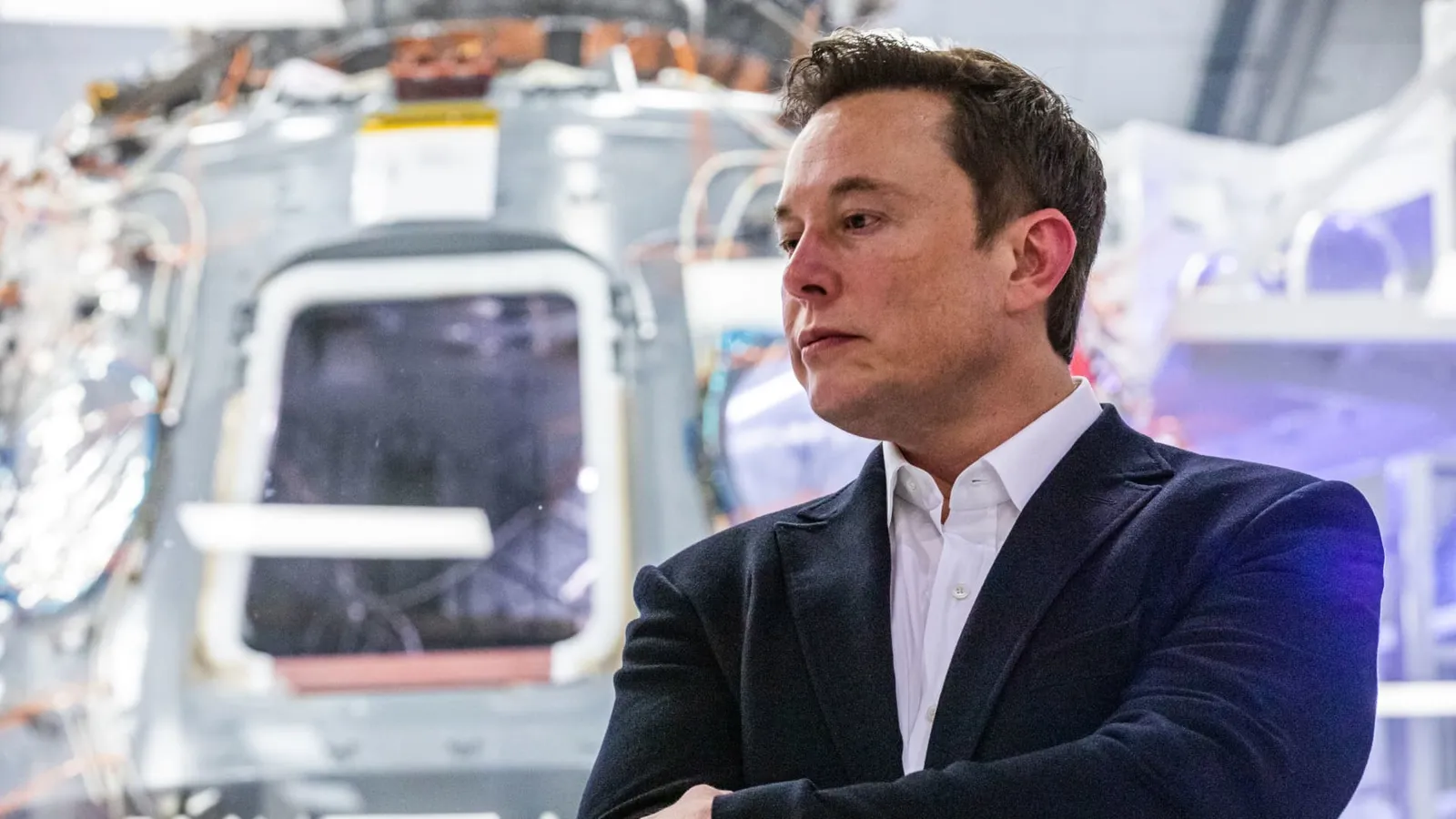
SpaceX is targeting a fixed $135 IPO roadshow price at a $1.75 trillion valuation, according to a source cited by CNBC. That would make Elon Musk's company the seventh-biggest in the U.S., ahead of Tesla's roughly $1.6 trillion market cap, and raise the bar for how investors benchmark private-company scale.
SpaceX is aiming for a fixed $135 IPO roadshow price at a $1.75 trillion valuation, according to a source cited by CNBC. That is the number that jumps off the page. If it lands, Elon Musk's rocket and satellite company would rank as the seventh-biggest company in the United States, and it would do so above Tesla, which has a market cap of about $1.6 trillion.
That comparison is the headline inside the headline. Tesla is already one of the most closely watched public companies on the planet, yet SpaceX, still private in this reporting, would be valued even higher on this roadshow pricing target. For founders, investors, and board members, that is the kind of cross-company benchmark that forces a rethink of what scale looks like in 2026: not just revenue, not just profit, but the market's willingness to assign extreme value to a company it cannot yet trade in the open market.
The source does not lay out the full mechanics of the offering, but the wording matters. A fixed roadshow price suggests the company is presenting a specific anchor to investors rather than floating a wide range and seeing where demand lands. In plain English, the roadshow is the part of the IPO process where a company pitches institutions, shows them the business, and tries to line up appetite before shares begin trading. A fixed price at $135 implies confidence in that valuation target, and it also signals how much room SpaceX may believe it has to shape expectations before any public-market repricing begins.
The bigger strategic point is what this says about the scale of private-market ambition. A $1.75 trillion valuation is not just large, it is elite-by-any-standard large. It places SpaceX in a rare club that most public companies never approach, and it does it while the company remains tied to Elon Musk, whose businesses already span electric vehicles, rockets, satellites, AI, and social media. The source also notes the basic comparison that will matter to every executive watching this story: SpaceX would sit above Tesla in U.S. market value, even though Tesla is the public-market benchmark most people already use for Musk's empire.
That upside-down comparison is why this matters beyond SpaceX. Public and private markets often talk past each other, but moments like this force a conversation. If a private company can command a valuation above a mega-cap public company, then the old rulebook about liquidity, disclosure, and listed-market discipline starts to look less universal than it used to. For boards, that creates a live question: how much strategic value can a company preserve, or even enhance, by staying private longer and pricing itself at a level that rivals public giants? For investors, it is a reminder that the private market is not merely a feeder system into public equities anymore. It can be the main event.
There is also a second-order signal embedded in the fact pattern. The source says the company is targeting a fixed roadshow price, which means the story is not about a rumor of interest or a vague future possibility. It is about an active attempt to set terms. In capital markets, terms are power. Whoever controls the reference price controls the first framing device investors see, and framing matters because it can influence how institutions model upside, scarcity, and risk. If the market accepts the number, SpaceX gets a valuation story that reinforces its status as one of the most valuable companies in the country. If demand falls short, the same number becomes the point of comparison everyone remembers.
For operators and CFOs, the implication is practical. The top of the market is no longer defined only by decades-old public titans, and Musk-controlled businesses now sit in a category where each new capital-markets move becomes a signal about what scale premium the market is willing to tolerate. That affects comp, fundraising, secondary sales, and acquisition currency across the ecosystem. It also affects how boards think about timing. A company with this much leverage can choose when to ask the market for its verdict, and that timing itself becomes a strategic asset.
And for everyone else watching from the sidelines, there is a simple takeaway: the valuation race among U.S. giants is not just about bragging rights. It shapes how capital flows, how talent prices itself, and which business models get treated as breakout winners before they are fully public. If SpaceX really opens a roadshow at $135 a share and $1.75 trillion, then the market is doing more than pricing a company. It is redrawing the map of what “too big to ignore” looks like.
This story's Key Insights and Take-aways are locked.
Create a free account to unlock Executive Actions for one credit.
Register to UnlockAlways free for Executives Club members. Join the Club
More in Business
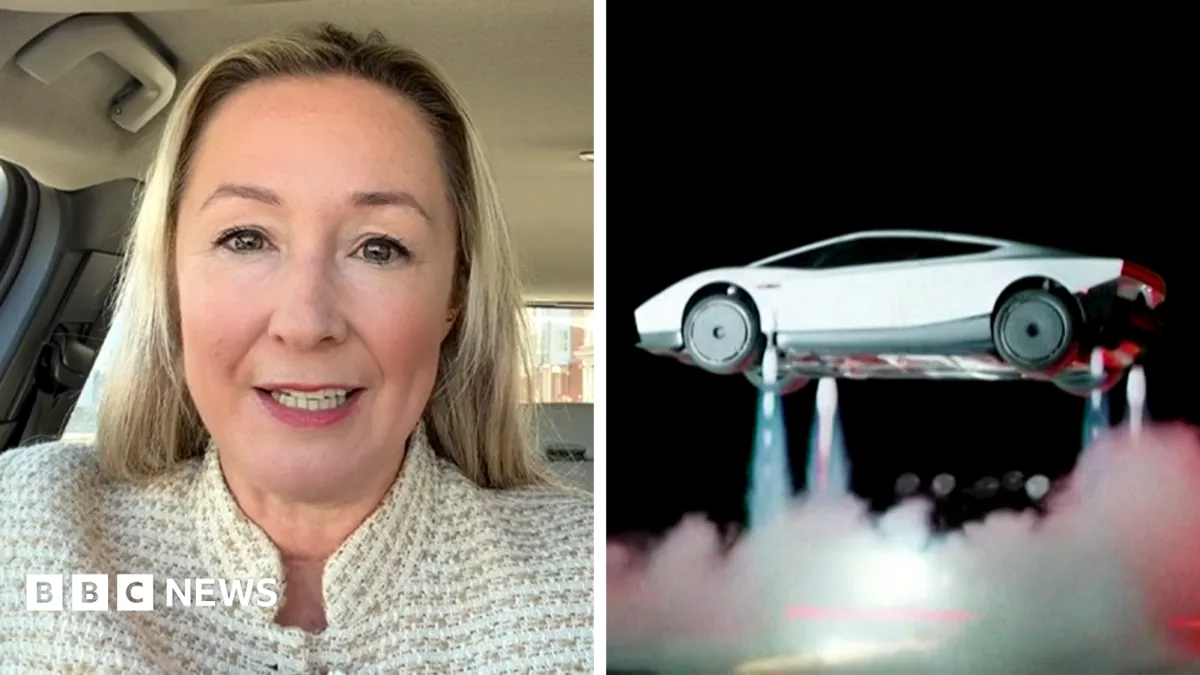
Elon Musk unveils a flying car, and SpaceX helped build it
The Tesla CEO's showcase at a SpaceX facility signals a future where road and rocket engineering converge.

Apple's $2,000 iPhone Duo opens preorders, taking on Samsung and Google
Apple's first foldable hits the market at a premium price, reshaping a category Samsung and Google have led.

Pope Leo XIV, first American pope, diagnosed with lung cancer
The 71-year-old Chicago-born pontiff underwent successful surgery on his right lung, and his diagnosis raises new questions about his AI-focused papacy and the Vatican's future.