

SpaceX pullback won’t shake Hong Kong tech much, analysts say
The US space-tech jitters may be loud, but Hong Kong’s local tech valuations are built on different math.
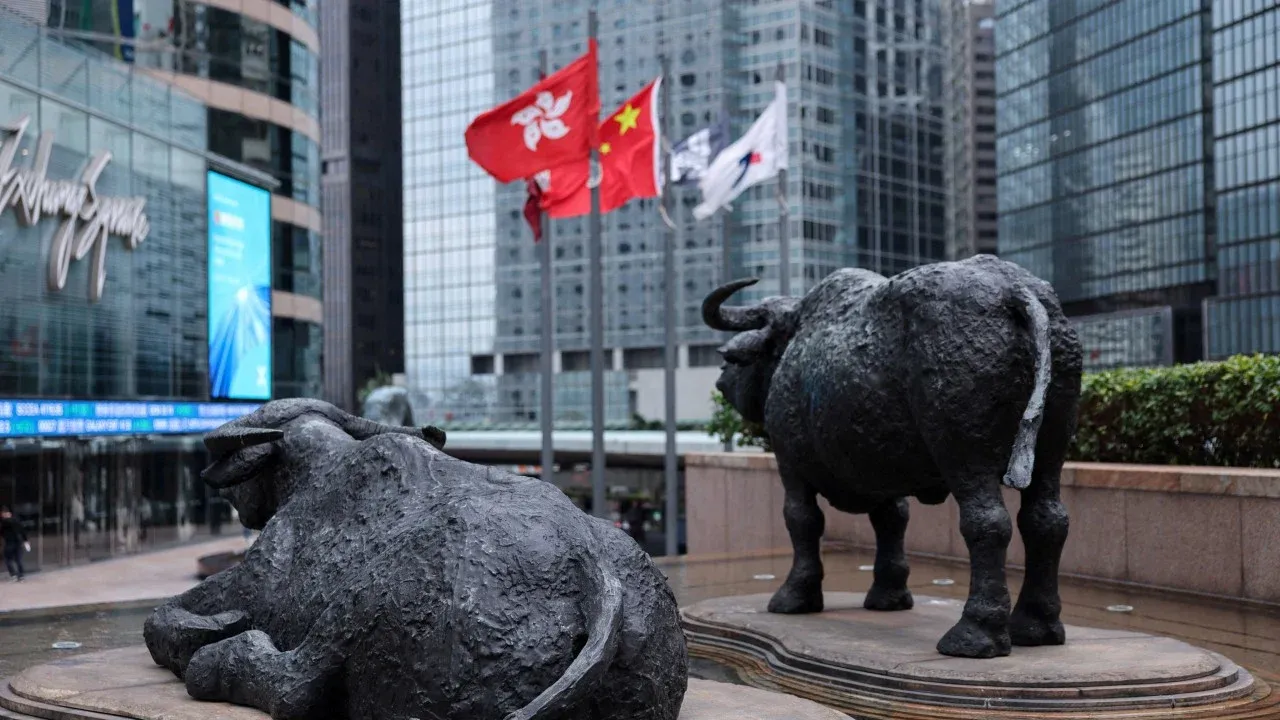
SCMP reports that a sharp pullback in SpaceX, alongside renewed valuation pressure on Wall Street's tech heavyweights, is unlikely to trigger a major sell-off in Hong Kong equities. Analysts point to distinct local business models and less stretched valuations as the key reason decision-makers may not need to panic.
SpaceX is taking a hit, but Hong Kong tech is not expected to follow it down. SCMP notes that a sharp pullback in the US space-technology giant SpaceX and renewed valuation pressure on Wall Street’s tech heavyweights are unlikely to trigger a major sell-off in Hong Kong equities, according to analysts. The core idea is simple: even if US tech sentiment cools, Hong Kong’s market dynamics are not a carbon copy.
“I don’t think there will be much impact” in Hong Kong, said Kenny Tang Sing-hing, chairman of the Hong Kong Institute of Financial Analysts and Professional Commentators. That quote matters because it frames how local investors and professional analysts appear to be thinking about cross-market risk. In other words, this is not being treated as a contagion event where one name, or one sector, automatically drags everything else with it.
To understand why, you have to look past the headlines and into how valuations and business models travel. SCMP reports that analysts expect limited spillover because local tech firms operate under distinct business models and lack the stretched valuations of their overseas peers. When valuations are “stretched,” prices often reflect aggressive future expectations. In those setups, even small disappointments can trigger outsized repricing, because investors are not just buying current performance, they are buying a very specific future trajectory.
Hong Kong’s tech cohort, as described in the SCMP piece, does not share that same valuation vulnerability. That distinction is the hinge on which the story swings. If investors in Hong Kong are less dependent on high-multiple optimism, then a correction in US growth stocks or a specific market downgrade in a platform like SpaceX may be more likely to stay where it started. The risk is not zero, but it changes shape from broad panic to more targeted rebalancing.
There is also a timing and positioning angle. “Renewed valuation pressure” on Wall Street’s tech heavyweights suggests that, beyond any single company issue, investors were already recalibrating their pricing of the category. That is the kind of environment where capital can become more selective. But selectivity does not always translate into a synchronized sell-off across geographies. Markets can diverge when investors believe local companies are exposed to different end markets, revenue drivers, and funding conditions.
Another practical reason for divergence is what Hong Kong sits between. Hong Kong equities are heavily influenced by global capital flows, yet local companies are still shaped by regional demand, local listings and investor bases, and how management teams finance growth. When overseas tech gets re-rated, the question for Hong Kong boards and CFOs becomes: are they priced off the same assumptions? SCMP’s analysts appear to be saying no, at least not in a way that would justify a sweeping sell-off.
For executives, the second-order implication is about how to respond to volatility without overreacting. If the market is telling you that your sector is “decoupled” from a specific US narrative, then the worst move is treating every red headline as a direct hit to your funding prospects or share price. Instead, boards should pay attention to which parts of the story are transferable. Is it the cost of capital? Is it risk appetite? Is it investor rotation out of tech broadly? SCMP’s framing suggests the answer might be more “rotation and sentiment” than “structural damage.”
Still, valuation pressure is rarely a one-day event. Even if Hong Kong tech does not experience a major sell-off immediately, investors may gradually re-price growth expectations, demand more proof of earnings durability, or shift how they compare risk across regions. That can affect capital raising, investor outreach, and how companies communicate milestones. The strategic stakes for peers are not just “Will we drop?” but “How will we be valued if overseas multiples compress?” In a world where global investors increasingly manage portfolios at the category level, understanding whether your market is priced differently becomes a competitive advantage.
In short: SCMP reports that the SpaceX slump and Wall Street tech pressure are not expected to ignite a broad Hong Kong sell-off, because local tech valuations and business models are described as less stretched and more distinct. For decision-makers, the message is to monitor the macro signal, but calibrate your actions to the local fundamentals Kenny Tang Sing-hing highlights through his view that impact should be limited.
This story's Key Insights and Take-aways are locked.
Create a free account to unlock Executive Actions for one credit.
Register to UnlockAlways free for Executives Club members. Join the Club
More in Business

Uber buys Delivery Hero for nearly $15B, vaulting to top food delivery outside China
The deal doubles Uber's dual-services footprint and pushes a ride-and-eats bundling play into 50 more markets.

Epic and Google drop settlement bid, forcing rival Android app stores by July 22
Google told the court it is ready to carry third-party app stores starting Wednesday, July 22.
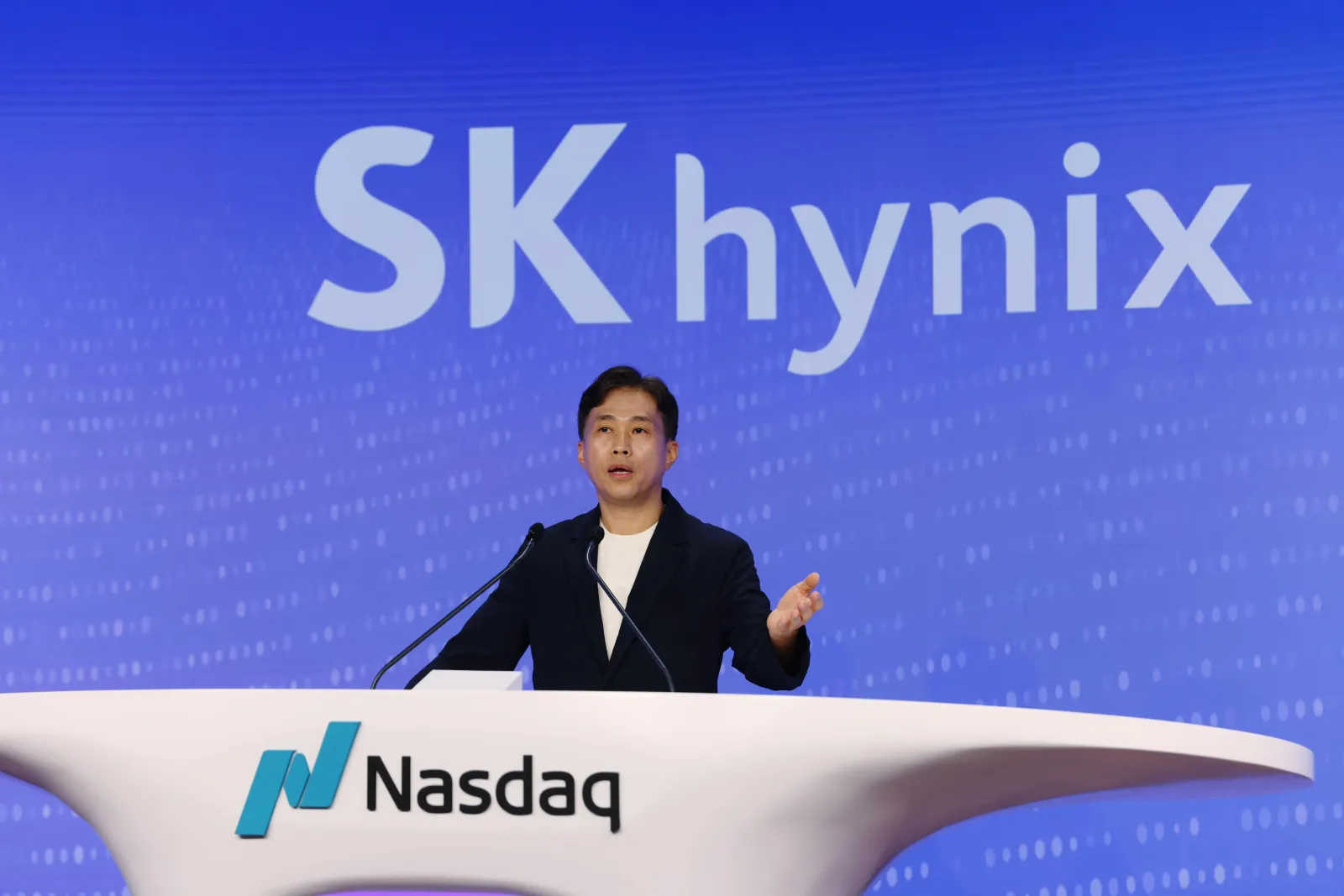
SK Hynix opens at $170, raises $26.5B, and tops foreign IPO records
In Friday's Wall Street debut, SK Hynix turns AI RAM demand into a $26.5B fundraising moment that rewrites comps.