

SpaceX stock closes below IPO price for the first time, as launch odds dominate focus
With the stock slipping under its IPO benchmark, executives should watch the next “single most important” launch milestone closely.
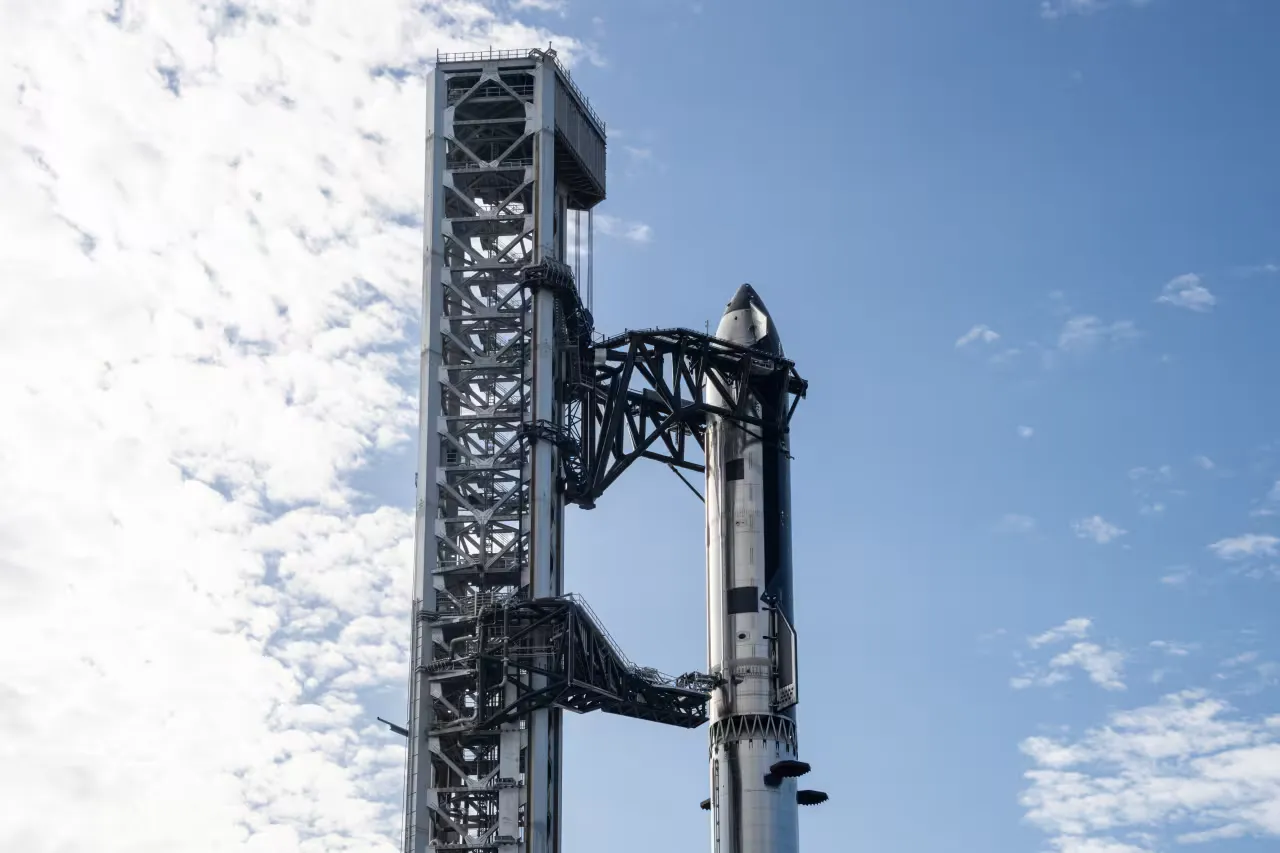
SpaceX’s stock notched its first close below its IPO price as the company prepares for a crucial launch. MarketWatch frames the megarocket’s success as the company’s most important near-term watch item, because it is tied directly to investor and operational confidence.
SpaceX has hit a milestone that investors tend to feel in their bones: its stock has notched its first close below its IPO price, and the company is now gearing up for a crucial launch. In this moment, the market is not just waiting for a rocket to leave the pad. It is watching whether the megarocket’s success can reassert confidence in SpaceX’s execution.
MarketWatch highlights the megarocket’s success as SpaceX’s “single most important watch item,” according to an analyst cited in the story. Translation: if you are an executive trying to judge where the next quarter, funding round, or capital markets narrative could land, this launch is the highest-signal event on the calendar. A megarocket failure or delay does not just affect one mission. It changes how people mentally price schedule risk, reliability, and the momentum that underwrites future contracts and valuation expectations.
Why does a stock print like “first close below IPO price” matter so much here? Public markets often treat the IPO price as a psychological anchor. Even if the business fundamentals are unchanged in the near term, crossing below that benchmark can shift how traders interpret every subsequent update: earnings, backlog, launch cadence, and regulatory milestones. For boards and leadership teams, those shifts show up fast in sentiment, liquidity, and what investors demand next.
And SpaceX’s launch cycle has always been a high-stakes feedback loop. A successful launch tends to do more than deliver a payload. It signals manufacturing stability, operational maturity, and the ability to hit timelines that customers rely on. In capital-intensive businesses like space, those signals can be as valuable as the physical payload itself. When the analyst says the megarocket’s success is the single most important watch item, it is basically pointing to the one operational variable that can most quickly change the narrative for the market.
There is also a regulatory and oversight dimension to the “watch item” framing. Launches do not happen in a vacuum. Space operations are typically bounded by regulatory approvals and safety requirements, and each mission can influence how regulators and stakeholders view risk posture. Even when approvals exist, each launch carries a demonstration of compliance and safety engineering in the real world. That matters to executives because regulatory credibility and schedule predictability are often what keep enterprise customers confident and capital providers comfortable.
Second-order effects are where leadership teams should stay paranoid. If the market is already focused on the megarocket, then any deviation from plan, even one that looks technical or localized, can become a broader story about reliability and scale. Conversely, a clean success can compress uncertainty and pull forward confidence, sometimes faster than any press release can. That is why a “crucial launch” is not just a headline; it is a form of risk management for the valuation story.
There is another layer for governance and investor relations. When a public benchmark like IPO price is breached, investors often scrutinize management communication with more intensity. Leadership teams have to be careful with what they emphasize, how they characterize risk, and how they present contingency planning. If the megarocket’s success is the single most important watch item, then the company also needs to ensure that the market understands what success and failure look like operationally, what the remediation steps would be, and how the next steps maintain momentum.
For executives at adjacent firms in space and launch supply chains, this moment is instructive. SpaceX is not only competing on engineering. It is competing on schedule certainty and market trust. When the market ties the story to a single launch outcome, it signals how sensitive capital is to operational milestones. If you are leading a company that sells into this ecosystem, your own board should treat SpaceX’s next launch as a live indicator of where industry confidence is heading, and how quickly sentiment can change when a major operational event hits.
This story's Key Insights and Take-aways are locked.
Create a free account to unlock Executive Actions for one credit.
Register to UnlockAlways free for Executives Club members. Join the Club
More in Business

Uber buys Delivery Hero for nearly $15B, vaulting to top food delivery outside China
The deal doubles Uber's dual-services footprint and pushes a ride-and-eats bundling play into 50 more markets.

Epic and Google drop settlement bid, forcing rival Android app stores by July 22
Google told the court it is ready to carry third-party app stores starting Wednesday, July 22.
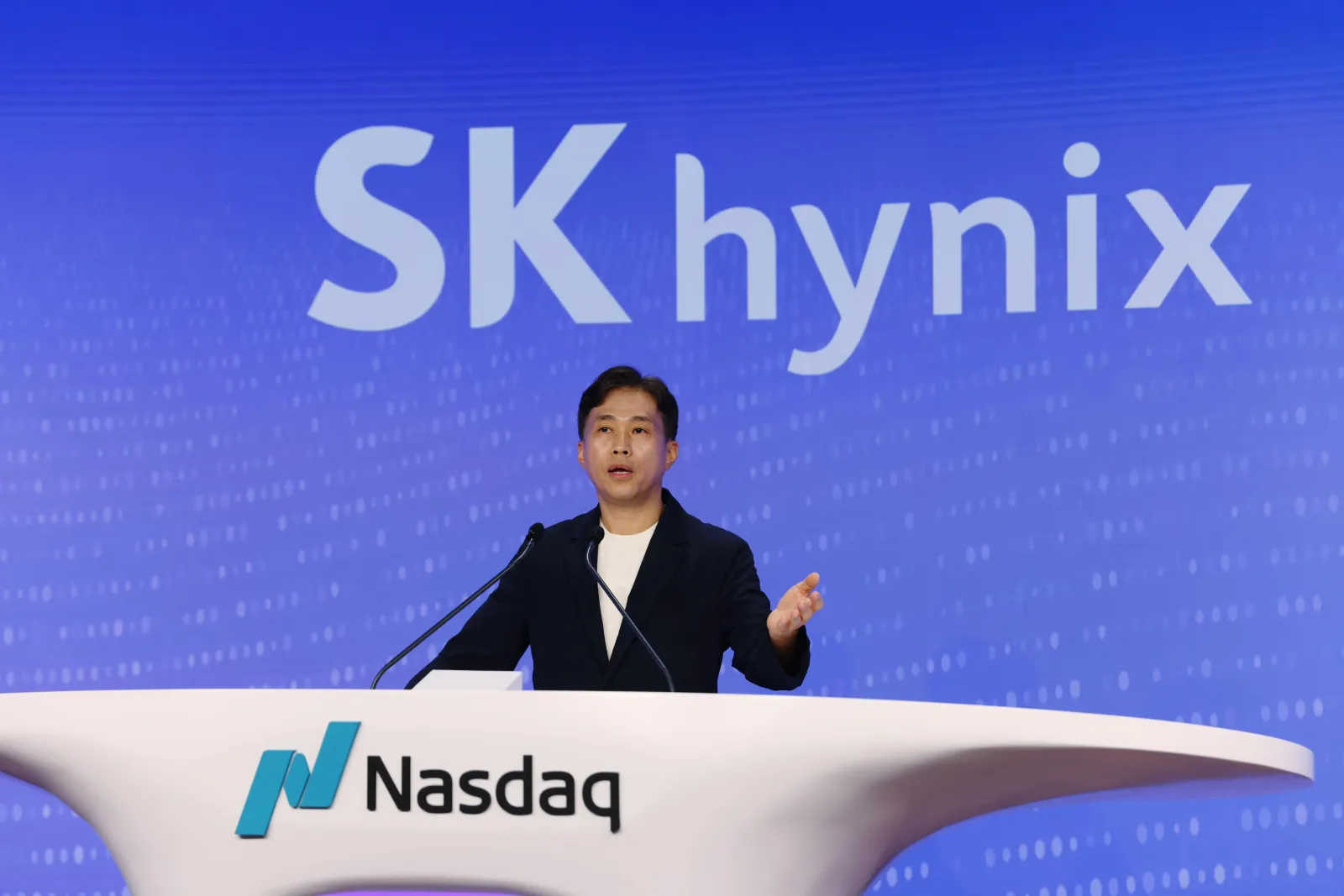
SK Hynix opens at $170, raises $26.5B, and tops foreign IPO records
In Friday's Wall Street debut, SK Hynix turns AI RAM demand into a $26.5B fundraising moment that rewrites comps.