
SpaceX Swings to Profit as Starlink and AI Revenue Double
Elon Musk's rocket company posts a profit while AI spending surges - a sign that its satellite and AI bets are paying off.
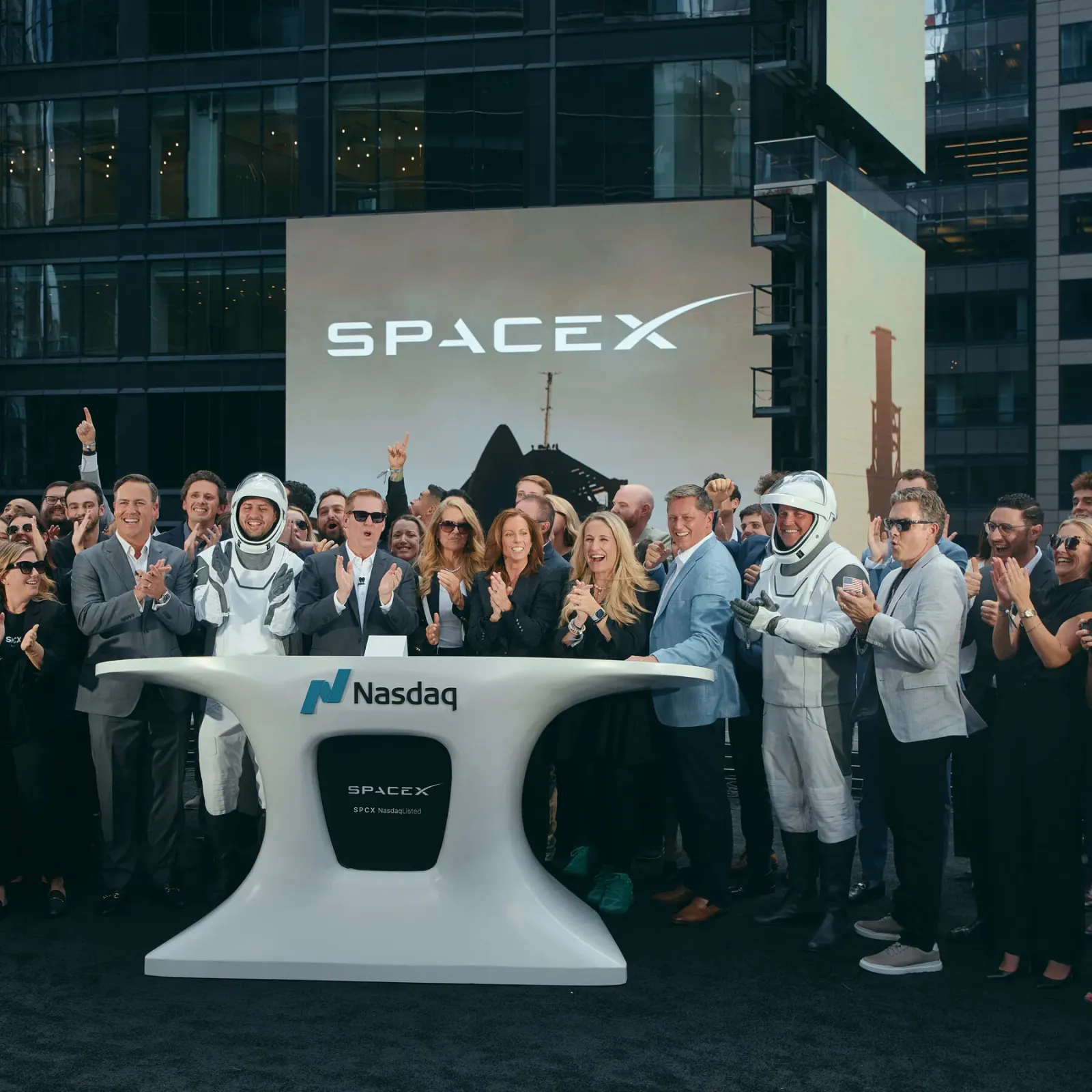
SpaceX, Elon Musk's rocket company, swung to a profit as revenue from Starlink and AI products more than doubled while AI spending soared. The result signals that capital-intensive bets on satellite internet and AI infrastructure can reach profitability faster than many expected.
SpaceX just did something it rarely does: it swung to a profit. Elon Musk's rocket company said revenue more than doubled from its Starlink internet satellite service and AI products, even as its artificial intelligence spending soared. The headline number is the profit, but the engine behind it is the doubling of revenue from Starlink and AI - two businesses that were once side projects to the main rocket launch operation and are now carrying the financial weight of the company.
For decision-makers, the profit is the signal, and the revenue mix is the story. SpaceX has historically plowed nearly everything it earns back into rocket development, Starship testing, and satellite deployment. A swing to profit means the company has reached a point where its commercial services - Starlink subscriptions and AI-related offerings - are generating enough cash to cover both operating costs and a chunk of its ambitious spending. The company said AI spending soared, which is notable because it suggests SpaceX is investing heavily in AI infrastructure, likely for both internal engineering and customer-facing products, while still landing in the black.
Starlink has become the quiet workhorse of the SpaceX empire. What started as a constellation of satellites to beam internet to remote areas has grown into a global communications business that now serves consumers, enterprises, airlines, shipping companies, and governments. The revenue doubling from Starlink and AI products indicates that demand for high-speed, low-latency internet from space is not just real but accelerating. For telecom and broadband incumbents, that is a competitive threat that keeps compounding: every new Starlink subscriber is a customer who does not need a fiber line, a cable modem, or a traditional satellite provider.
The AI piece is newer and less understood. SpaceX's AI products likely include data processing, analytics, and machine learning services tied to its satellite network and launch operations. The company said AI spending soared, which means it is pouring money into compute, talent, and infrastructure. That spending is a bet that AI will be central to how SpaceX designs rockets, operates satellites, and serves customers. For executives watching from other industries, the lesson is that even a company with a dominant physical business - rockets - sees AI as a growth multiplier, not a cost center to be minimized.
The profit also changes the narrative around SpaceX's capital needs. For years, the company raised massive rounds from private investors, with valuations climbing into the hundreds of billions. A swing to profit gives Musk and his team more leverage: they can fund internal projects without diluting existing shareholders as aggressively, and they can point to real earnings when negotiating with investors, lenders, or potential partners. It also raises the stakes for a possible eventual IPO, though Musk has shown little interest in taking SpaceX public while Starlink and other units are still scaling.
For competitors, the implications are stark. Blue Origin, Rocket Lab, and international launch providers now face a SpaceX that is not just the dominant launcher but also a profitable, diversified tech company. The revenue doubling from Starlink and AI products means SpaceX can cross-subsidize its launch prices, undercut rivals, and invest in next-generation hardware while others struggle to reach breakeven. In the satellite internet market, players like Amazon's Project Kuiper are racing to catch up, but Starlink's head start in subscribers and revenue is widening.
Regulators and policymakers are also watching. Starlink's growing revenue gives SpaceX more influence in spectrum debates, orbital slot allocations, and government contracts. The profit figure will likely be cited in discussions about competition, rural broadband subsidies, and the role of private companies in space infrastructure. For boards and CEOs in adjacent industries, the takeaway is that a company can be simultaneously capital-hungry and profitable if its recurring revenue streams scale faster than its fixed costs.
The strategic stakes extend beyond space. SpaceX's AI spending and revenue growth put it in direct competition with cloud providers, data center operators, and AI infrastructure companies. If Starlink can deliver data from orbit and process it with AI at scale, it becomes a player in the broader AI value chain, not just a satellite company. That is a second-order effect that most market watchers have not fully priced in.
For executives in any capital-intensive industry, the SpaceX story is a case study in patience and portfolio construction. The company spent years losing money on Starlink while building the network, and now that bet is paying off. The profit swing is not a one-quarter fluke; it is the result of a deliberate strategy to turn a physical asset - satellites in orbit - into a recurring revenue business, then layer AI on top. The question for every other CEO is simple: which of your expensive bets are quietly becoming profit centers, and are you investing enough in them before the revenue curve bends upward?
This story's Key Insights and Take-aways are locked.
Create a free account to unlock Executive Actions for one credit.
Register to UnlockAlways free for Executives Club members. Join the Club
More in Business
Musk barred from the room as Tesla, SpaceX boards weigh $3.5 trillion merger
The CEO of both companies is a 'conflicted party' watching independent directors negotiate a tie-up that would create a $3.5 trillion giant he would own about a third of.

Elon Musk just showcased a flying car - and it wasn't at Tesla
The Tesla CEO's latest reveal came at SpaceX, not Tesla, signaling where vertical mobility is headed.

Apple's $2,000 iPhone Duo opens preorders, taking on Samsung and Google
Apple's first foldable hits the market at a premium price, reshaping a category Samsung and Google have led.