

Spain win World Cup 2026, and New York’s Spanish fans erupt for their second title
After Spain’s extra-time thriller over Argentina, celebrations in New York signal why global sports moments keep compounding.
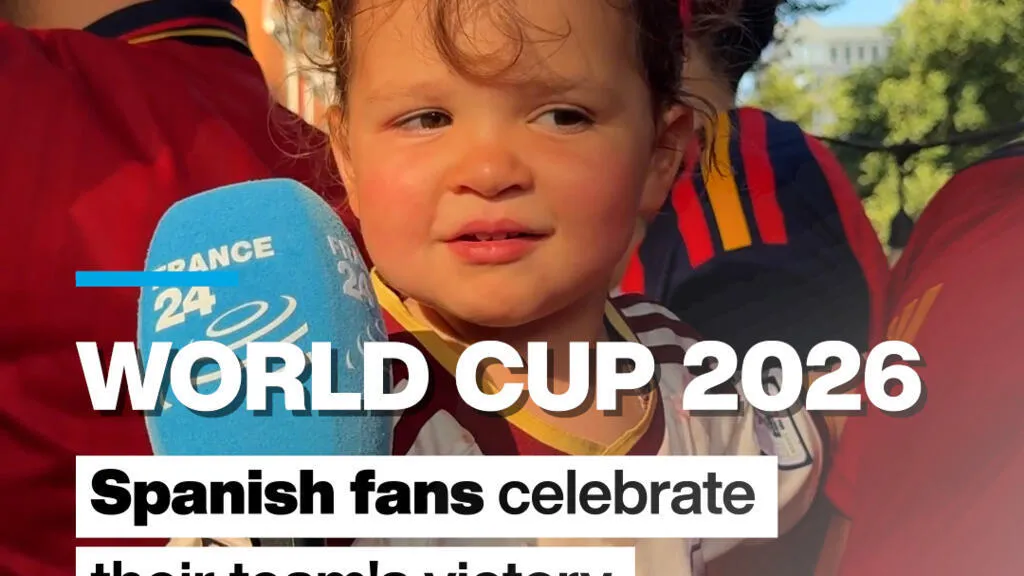
Spain were crowned champions after an extra-time thriller against Argentina, and Spanish fans in New York celebrated La Roja’s second World Cup title. For decision-makers, the key consequence is how quickly major international sports wins turn into repeatable, cross-border audience and brand lift.
Spain’s World Cup 2026 moment went long, dramatic, and then transcended the stadium. After Spain were crowned champions following an extra-time thriller against Argentina, Spanish fans in New York celebrated La Roja’s second World Cup title. This is the part that matters beyond the scoreboard: the celebration was not confined to Spain or even to match-day. It landed in a major global city, showing how international sports fandom turns victories into real-time community energy across borders.
The second title is doing the heavy lifting. In sports terms, “second World Cup title” is not a trivia line, it is credibility with receipts. It tells fans and casual watchers alike that Spain’s success is not a one-off peak. And when fans in New York celebrate specifically for La Roja’s second championship, you get a clear picture of how prestige travels. People are not just reacting. They are validating a narrative they already carry: Spain can win again.
This is where executives should pay attention, even if you do not run a sports brand. Big international competitions create synchronization. When a match reaches extra time, attention compresses. That matters for anyone managing media strategy, sponsorship, partnerships, or audience growth. The source tells us the game ended in an extra-time thriller, and the fan reaction in New York was immediate. That combination, a high-drama outcome plus a global fan hub, tends to amplify reach because it gives people a reason to share, gather, and talk at the same moment.
New York is an especially useful example because it is a concentration point for cross-cultural communities and global distribution channels. The fact that Spanish fans celebrated in New York after Spain won reinforces a familiar dynamic in modern sports culture: diaspora fandom is not passive. It becomes a platform. When fans gather, they create signals that other audiences can read. A victory becomes content. A celebration becomes a feed. A second title becomes something easier for brands to attach to because it is a recognizable milestone.
There is also a second-order implication for how boards and leadership teams think about brand moments. World Cup victories are not just entertainment events. They create short-term spikes in visibility and long-term association benefits. And importantly, the source frames this as “their second World Cup title,” which is a durable hook. First-time wins can feel surprising. Repeat wins feel inevitable, like a cycle. That difference influences how effectively marketers can build campaigns around a team without it reading as opportunistic or temporary.
Regulatory and compliance considerations may not be front-page in a World Cup celebration story, but the environment is always there. International sports events typically operate under layered rules that affect broadcasting, promotions, and sponsorship placements. Even when fans are simply cheering, companies that want to participate in or monetize related attention must navigate rights holders, licensing, and public communications norms. The practical takeaway for decision-makers is that the infrastructure around global events exists so the spotlight does not turn into legal clutter. When fandom erupts in a city like New York, the attention is public. The ability to use it responsibly is the differentiator.
Zooming back out, Spain’s win over Argentina in extra time, followed by celebrations for their second title in New York, is a clean demonstration of how sporting outcomes cascade. A match result becomes a community moment. A community moment becomes social visibility. Social visibility becomes brand conversation. And because this is Spain’s second championship, the story has staying power for audiences who track history, not just highlights.
For executives and operators in adjacent spaces, the strategic stake is clear: you are not only competing for attention during the 90 minutes. You are competing for the ability to be the company that fits naturally into the post-match wave, when fans are already celebrating and sharing. Spain’s World Cup 2026 victory created that wave, and New York’s Spanish fans made it visible in real time. The question for your team is whether you can translate that kind of synchronized attention into something measurable, without forcing it. The clubs, the leagues, the partners, and the media ecosystems all live or die by how well they ride moments like this, and Spain just proved the momentum is real.
This story's Key Insights and Take-aways are locked.
Create a free account to unlock Executive Actions for one credit.
Register to UnlockAlways free for Executives Club members. Join the Club
More in Politics

LA County: DOJ's 20,000 'noncitizen' voter list is 'unreliable,' includes U.S.-born
Preliminary review by Los Angeles County election officials finds errors in the federal list, raising the stakes for voter roll integrity ahead of November.

Trump's $1.5B Pentagon chip investment lands in North Carolina
A $1.5 billion defense infusion for North Carolina chipmaking signals a new era of Pentagon-backed reshoring - here's what it means for the industry.

Nigeria confirms first Ebola case in Abuja, a woman just off a Uganda flight
Health Minister Muhammad Ali Pate says the patient flew in from Uganda, putting Africa's latest outbreak on Nigeria's doorstep.