
Spain wins $51M at 2026 World Cup, with total payout hitting $871M record
FIFA’s 48-team prize structure now pays out $871M, including an April add-on tied to federation travel costs.
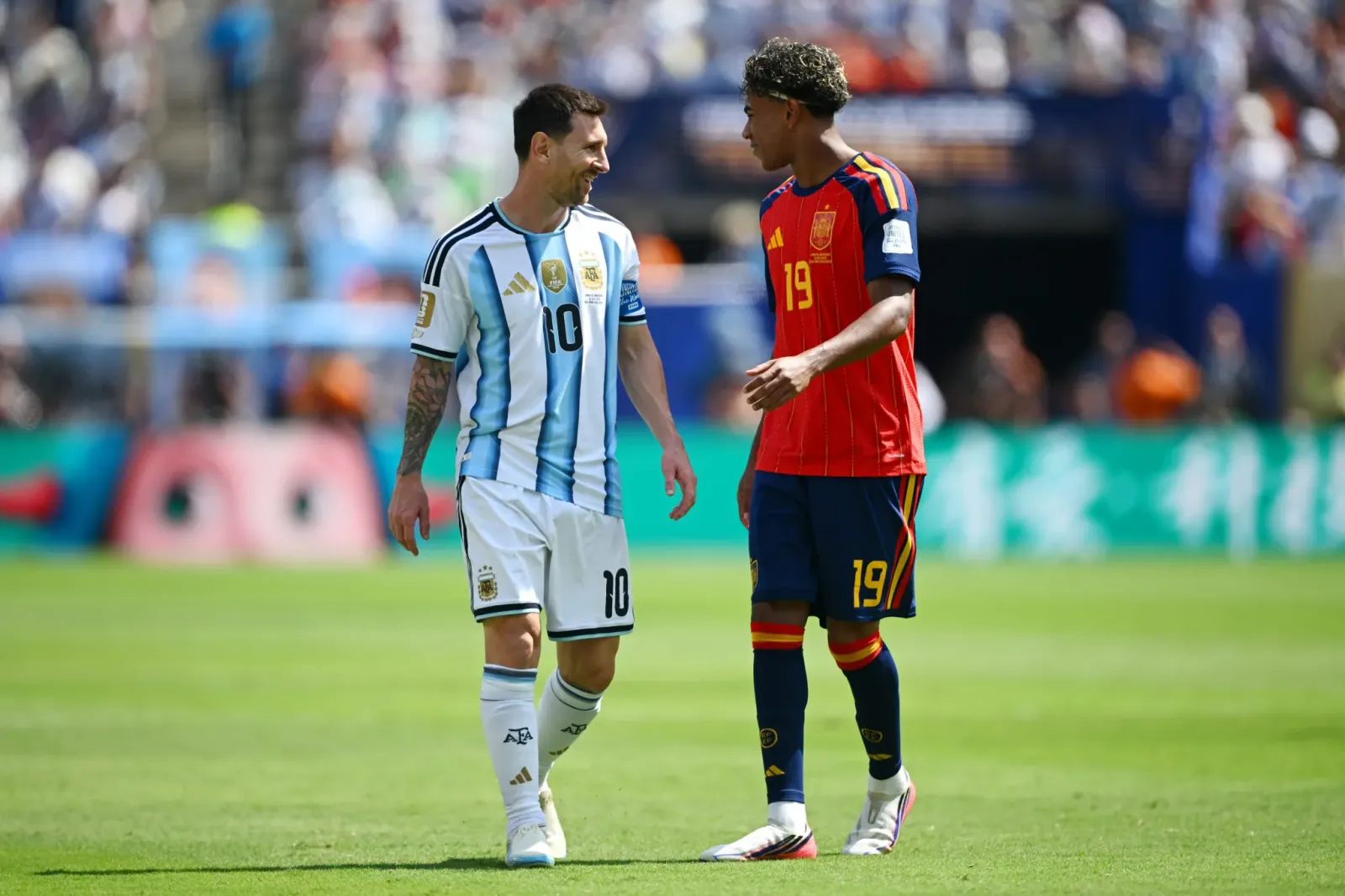
FIFA’s 2026 World Cup prize system pays Spain’s federation $51 million for winning and Argentina $34 million for runner-up. The record total $871 million across all 48 teams, plus a costly-travel adjustment, reshapes how federations lobby and how national budgets plan.
Spain’s federation is set to earn $51 million for winning the 2026 World Cup, while runner-up Argentina’s federation gets $34 million. That headline payout sits inside a record-high combined $871 million FIFA will pay to the 48 participating teams.
This is not just a “nice win” number. FIFA expanded the payout for the 2026 tournament, and the total includes more than $100 million added in April after some federations in Europe lobbied for help. The reason is refreshingly blunt: the World Cup is being played across three countries, and it has required extensive travel and lodging costs.
To understand why executives and boards should care, you have to zoom out from the trophy moment and look at the incentives. FIFA pays two main streams to national federations. First is prize money bonuses based on how far each team advances. Second is across-the-board money intended to cover training and preparation costs. All 48 teams get at least $12.5 million for competing, including $10 million tied to qualifying and playing in the group stage. Everyone also receives $2.5 million for pre-tournament training and expenses.
Then the amounts rise as teams advance, with the higher amounts coming after demands from federations. The underlying dynamic is that federations, especially in Europe, were telling FIFA that the prize money structure and preparation payments set last year would leave them worse off unless their team went deep into the knockout rounds. In other words, the old structure could turn tournament performance into a cash-flow requirement for some organizations. That is the kind of pressure that triggers political negotiation in any capital-intensive industry, even one built around 90 minutes of chaos.
The lobbying pressure was explicit. France federation president Philippe Diallo told sports daily L'Equipe that for several months he had drawn FIFA President Gianni Infantino's attention to World Cup teams not being properly rewarded, compared to what Club World Cup winner Chelsea got one year ago, which was $115 million. Diallo's comparison matters because it highlights a recurring debate in soccer: the “global spectacle” tournament gets more attention, but clubs can receive outsized rewards when tournaments are revamped or monetized differently. Meanwhile, World Cup teams playing games in the United States also faced some tax obligations that are exempted in Canada and Mexico. That tax asymmetry adds another layer to why the financial engineering around the tournament can become contentious.
For the 2026 World Cup winner, the $51 million figure is the peak, but the rest of the ladder is just as useful for budget planning. Runner-up gets $34 million. Third place gets $30 million, and fourth place gets $28 million. Quarterfinalists, slots five through eight, get $20 million each. Teams reaching the Round of 16, ninth through 16th, receive $16 million each. Round of 32 finishes, 17th through 32nd, earn $12 million each. Group stage exits, 33rd through 48th, get $10 million each.
That’s only the FIFA check. Under World Cup regulations, FIFA is already obliged to pay for business-class return flights for each federation to travel to the tournament and to cover board and lodging for a 50-person delegation that includes the players. Hotel payments begin five nights before a team’s first game and one night after elimination. FIFA also covers domestic travel for up to 50 delegation members, plus “a dedicated fleet of vehicles, including an equipment truck.” Federations still pay for “adequate insurance … including but not limited to injury, accident, disease and travel,” as well as “incidental hotel costs” and housing additional members of a delegation.
The strategic kicker is that FIFA pays prize money to federations, not players. How those funds are handled is up to each federation’s rules. The source gives one concrete example: U.S. soccer will keep 20% of prize money, and the remaining 80% will be split evenly between the men’s and women’s national teams. That split follows a 2022 milestone agreement to pay men’s and women’s teams equally, making the American national governing body the first in the sport to promise matching money. For decision-makers, the second-order effect is clear: more money at the federation level magnifies internal governance issues, including how revenue is allocated across programs, gender equity commitments, and performance incentives.
Finally, there’s the trophy, because this is still sports. On Sunday, champions will celebrate with it after the final whistle during an award ceremony, but the original trophy is not awarded permanently. Winners get presented with a gold-plated replica they keep.
For boards, investors, and operators watching sports economics, this $871 million record payout is a signal about where power lives. When tournament costs and tax rules squeeze certain regions, federations lobby, FIFA adjusts, and the financial model changes. The question for anyone in similar roles is whether your system is resilient to those pressures, or whether it forces organizations to gamble on “going deep” just to break even.
This story's Key Insights and Take-aways are locked.
Create a free account to unlock Executive Actions for one credit.
Register to UnlockAlways free for Executives Club members. Join the Club
More in Business

Uber buys Delivery Hero for nearly $15B, vaulting to top food delivery outside China
The deal doubles Uber's dual-services footprint and pushes a ride-and-eats bundling play into 50 more markets.

Epic and Google drop settlement bid, forcing rival Android app stores by July 22
Google told the court it is ready to carry third-party app stores starting Wednesday, July 22.
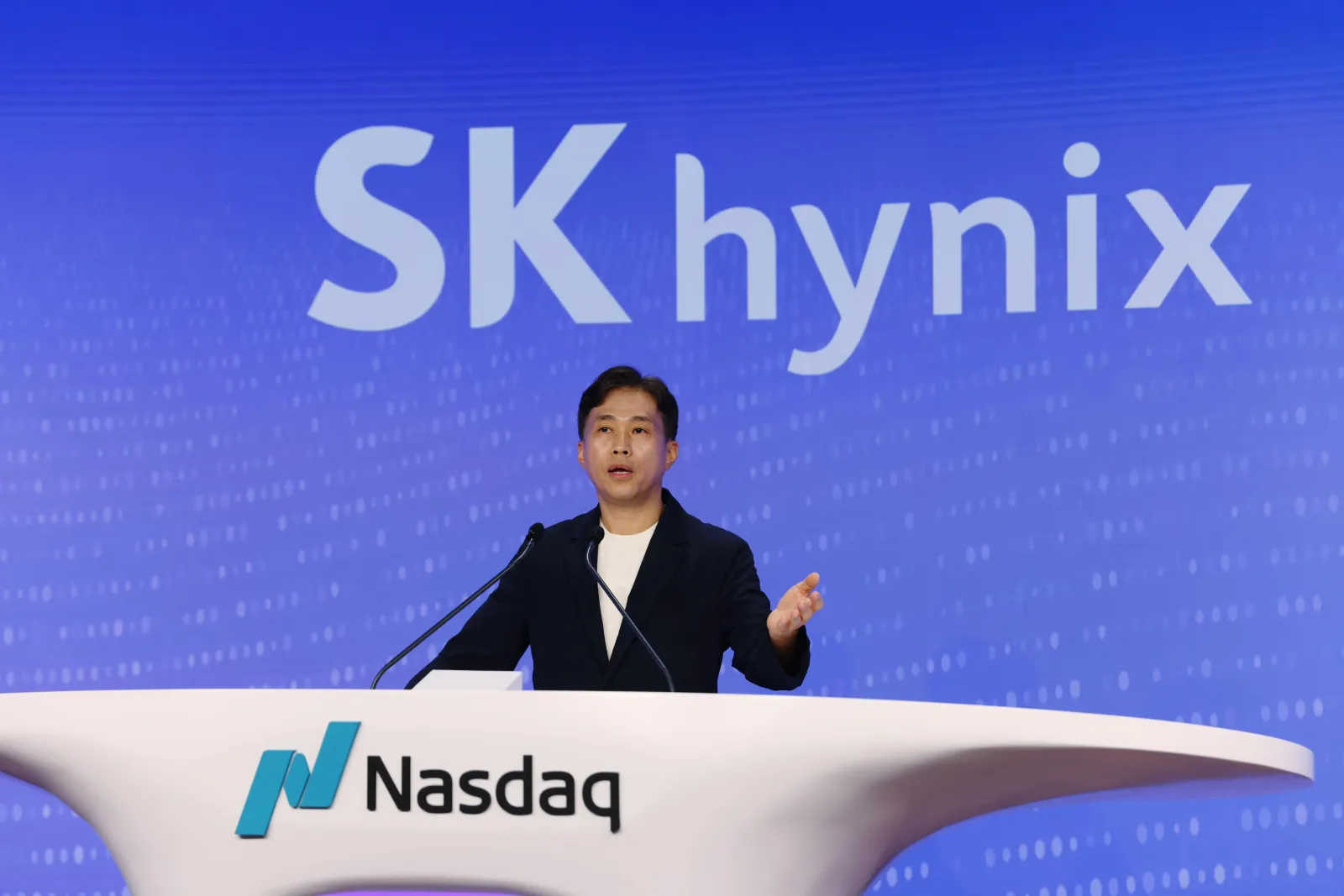
SK Hynix opens at $170, raises $26.5B, and tops foreign IPO records
In Friday's Wall Street debut, SK Hynix turns AI RAM demand into a $26.5B fundraising moment that rewrites comps.