
Spider-Noir finale confirms Ben Reilly stops running and becomes The Spider again
In the season-ending antidote choice, Ben gives up freedom to save Flint Marko, embracing his destiny.
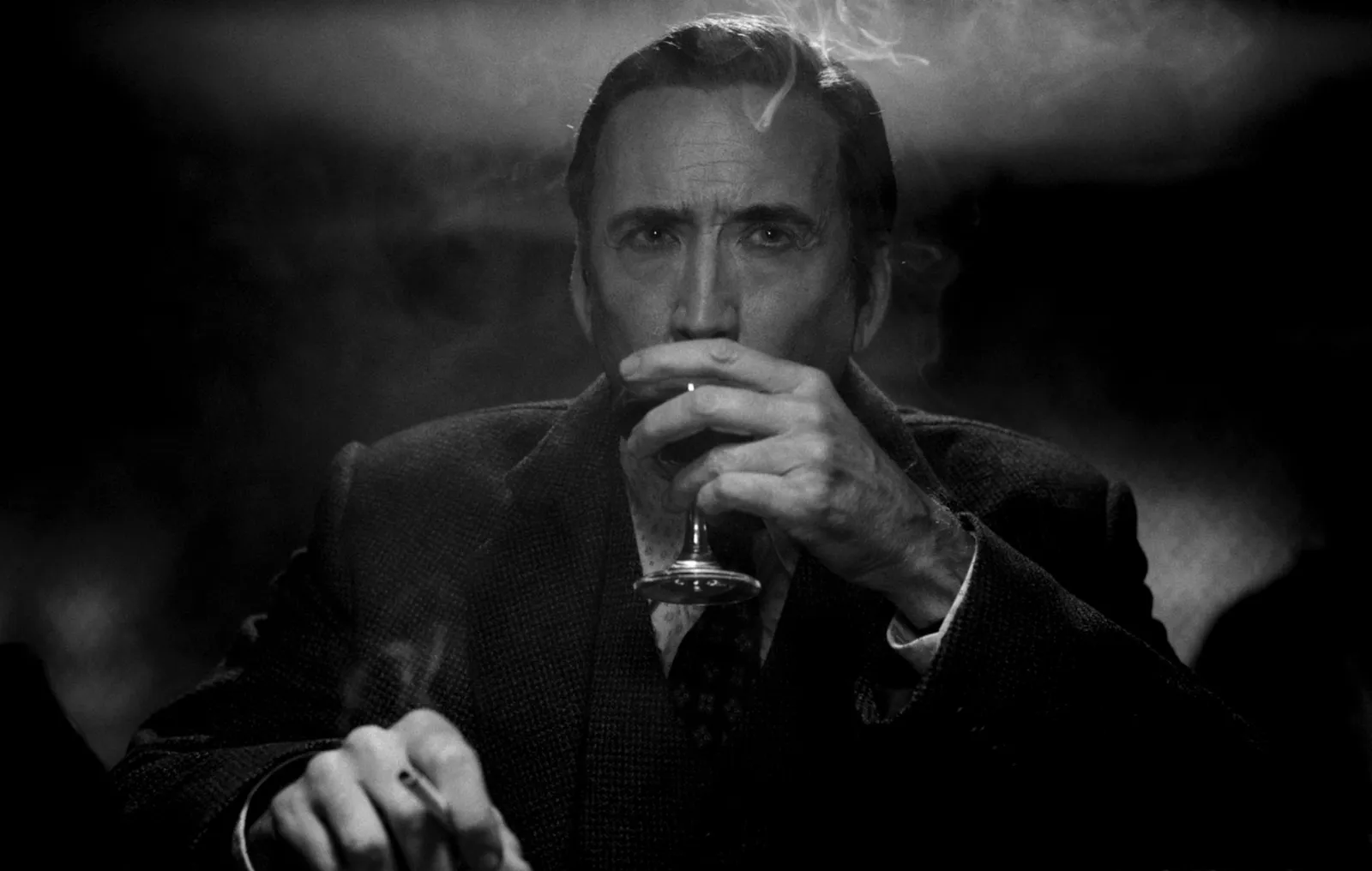
Spider-Noir, the MGM+ and Amazon Prime Video series starring Nicolas Cage as Ben Reilly, ends with Ben finally embracing his superhero role in the 1930s New York world of Spider-Man: Into the Spider-Verse. For decision-makers watching IP spinoffs, the finale’s clear character turn is the payoff to the season’s resistance story.
Spoilers are on the table, because the Spider-Noir finale makes the question impossible to dodge: does Ben Reilly become The Spider again? Yes. Throughout the season, Cage’s Ben Reilly keeps resisting his superhero identity, especially after the death of his girlfriend, choosing to run from the burden tied to his past. But at the start of the finale, everything tightens fast: Brendan Gleeson’s Silvermane and his gang capture Ben and threaten to expose his secret identity.
That’s the setup, and the show pays it off with a decisive end-game. Ben eventually gets access to the last dose of the antidote that could let him escape the burden of The Spider for good. The twist is what he does next. Instead of taking freedom for himself, Ben gives the antidote away to Flint Marko, saving him and allowing Ben to be with Cat Hardy, played by Li Jun Li. By surrendering his own chance at escape, Ben accepts the responsibility he previously resisted and embraces his role and destiny as The Spider.
The episode also resolves the season’s other major threads in a way that reinforces this theme of responsibility over avoidance. Cat Hardy reveals that she had betrayed Silvermane, framing her turn as part of the larger reckoning Ben has to face. Robbie Robbertson, Lamorne Morris’s character, disguises himself as The Spider to protect Ben, meaning Ben gets a brief window of safety that is bought with someone else’s risk. Silvermane then collapses as his mob empire unravels, and Cat kills him during that collapse. In other words, the finale does not just answer the “does Ben become The Spider again?” question. It justifies why he had to.
There is also a clear action-and-death sequence that locks the finale into the darker crime tone the series uses. Ben faces off with Dirk Leyden, in his superpowered persona of Megawatt, and the confrontation ends with Ben throwing Leyden into the path of an oncoming train, killing him. It is the kind of brutal, noir-flavored payoff that tells you Spider-Noir is not trying to be a gentle epilogue. It is finishing the story with consequences, and consequences are exactly what Ben’s earlier avoidance was trying to dodge.
For context, Spider-Noir is streaming in full now. The series is based on the Marvel Comics character Spider-Man Noir and follows Reilly, an aging private investigator and superhero in 1930s New York. It is set within the world of Spider-Man: Into the Spider-Verse, with Nicolas Cage reprising his role from the 2018 film. Developed by Oren Uziel, who previously worked on 22 Jump Street and The Cloverfield Paradox, the show’s eight episodes are streaming on MGM+ in the US and on Amazon Prime Video internationally.
From a strategy lens, the finale’s clarity matters. NME’s earlier three-star review noted a ratings risk tied to audience overlap, asking how much crossover exists between modern Marvel blockbuster fans and pre-war crime fiction fandoms. The show’s end state answers that tension emotionally. It gives viewers the resolution they want: the superhero alter ego returns, and it does so through a moral choice, not just a costume change. The “antidote as freedom” concept is key because it is the business of identity in narrative form. Ben does not simply go back to being The Spider. He chooses to be The Spider even when he could have opted out.
Even the supporting cast choices reinforce that the series is ending on relationships and responsibilities rather than escape. Ben saving Flint Marko with the antidote and allowing himself to be with Cat Hardy lands the season’s personal arc right alongside the noir violence and mob collapse. The show’s answer to the central question is therefore not only “yes, he becomes The Spider again,” but also “he earns it by refusing the easy exit.”
Second-order implications for executives and operators in media are pretty straightforward, even if the content is fantastical. When a spinoff is built inside a larger franchise world, viewer expectations arrive pre-loaded. The show is developed by Oren Uziel and features a marquee reprisal by Nicolas Cage, and it ties directly into Spider-Verse continuity, so the bar for payoff is higher than for an original property. The finale’s decision to make Ben’s transformation unambiguous, and to anchor it in a concrete sacrifice, gives the audience a cleaner “finish line” than a lot of franchise TV endings do. In a market where IP is the engine and retention is the fuel, a clearly resolved identity arc is a retention tool wearing a character costume.
If you are an investor, producer, or studio operator tracking how spinoffs land, this season’s structure is worth noting: it builds resistance, escalates exposure risk, and then resolves with responsibility. The episode does not leave you wondering what Ben chooses. It tells you. He becomes The Spider again, because he gives up his freedom to save someone else, and because that choice is the point.
This story's Key Insights and Take-aways are locked.
Create a free account to unlock Executive Actions for one credit.
Register to UnlockAlways free for Executives Club members. Join the Club
More in Entertainment

Christopher Nolan’s “The Odyssey” posts his biggest Tuesday haul, surpassing “The Dark Knight’s” record
The film’s Tuesday breakout reframes Nolan’s box-office ceiling and forces competitors to rethink timing, budgets, and release strategy.

Kacey Musgraves cancels Aug. 20, 29, Sept. 2 Middle of Nowhere shows
Ticketmaster emails are telling fans refunds are coming, while the tour still starts Aug. 21 in Chicago.

Billie Joe Armstrong launches Epiphone Les Paul Junior and Marshall 1959BJA signature gear
Two limited releases turn decades of Green Day’s tone into branded hardware, including Marshall’s first artist amp in 14 years.