

Spielberg says aliens may be discovered in our lifetime
The director's new film imagines the fallout if non-human intelligence is suddenly revealed, a scenario that could reshape culture, regulation, and public trust.
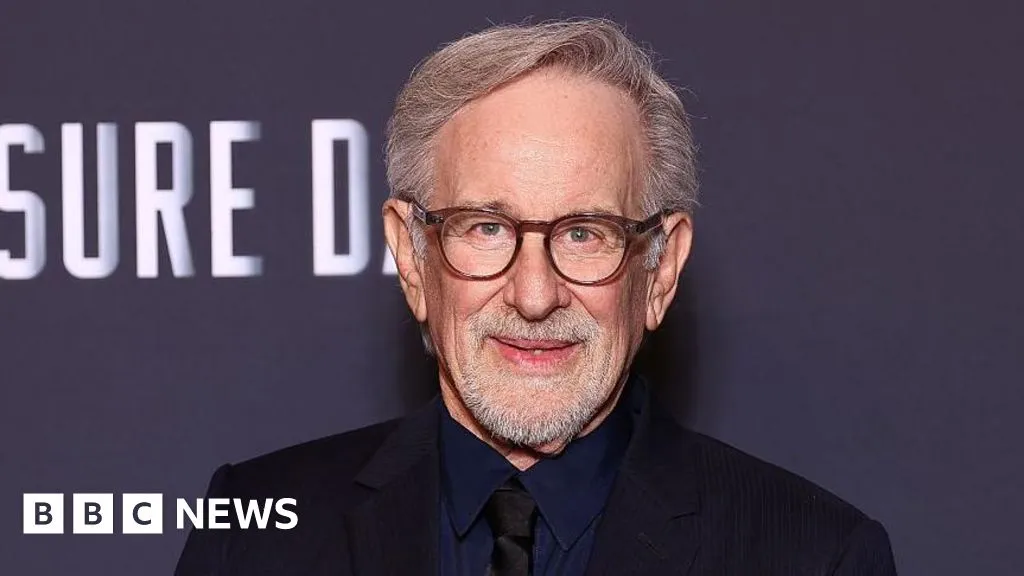
Steven Spielberg said he believes humanity will discover aliens in our lifetime, and his new film imagines what happens if the existence of non-human intelligence is revealed to the world. For leaders, the bigger story is not the sci-fi premise itself, but how fast a single disclosure could scramble institutions, markets, and public messaging.
Steven Spielberg says the alien question is not a far-off fantasy. In comments tied to his new film, the director said he believes we will discover aliens in our lifetime, and the movie imagines what might happen if the existence of non-human intelligence were revealed to the world. That is the whole point of the premise: not laser battles or green little guys, but the social and institutional chaos that could follow a real disclosure. For executives, that makes the project less like a genre exercise and more like a stress test for how people, governments, and companies react when the impossible stops being hypothetical.
The film’s setup matters because it is built around revelation, not invasion. Spielberg is not telling audiences that aliens will arrive on a spaceship tomorrow. He is exploring what happens if proof of non-human intelligence becomes public and the fact pattern can no longer be ignored. That distinction is important for anyone who runs a large organization, because the hardest moments are often not the event itself but the first 24 hours after the event becomes undeniable. A disclosure of this magnitude would demand immediate communication, clear authority, and some kind of unified response across institutions that are usually slow, fragmented, or both. In other words, the real drama is not the sci-fi. It is the governance.
That is also why the story lands beyond entertainment. Spielberg is one of the most commercially powerful directors in film history, which means even a speculative project like this sits inside a real business machine: studios need an audience hook, theaters need a reason to matter, and the cultural conversation around the movie becomes part of the product. The idea of non-human intelligence also comes with built-in public interest because it touches science, religion, security, and trust all at once. If a revelation like this ever arrived, it would not stay in one lane. Regulators would be pulled in. Media would be pulled in. Platforms would be pulled in. And every organization that communicates for a living would suddenly have to answer the same question: who gets to speak first, and who gets believed?
There is a reason fictional scenarios like this are useful to boardrooms even when the source of the idea is a movie. They force leaders to think about response time, message control, and the limits of normal planning. Most crisis playbooks are designed for familiar shocks: product failures, cyber incidents, legal actions, supply chain disruptions, or reputational blowups. But a revelation about non-human intelligence would be qualitatively different because it would mix uncertainty with global attention. The facts would matter, but so would the first framing. Once the public locks onto a narrative, it can be brutally hard to reset it. That is a familiar lesson in business, even if the trigger here is anything but familiar.
For the entertainment industry, the subject also shows how premium audiences are being courted with high-concept ideas that double as conversation starters. A Spielberg film imagining the consequences of extraterrestrial disclosure has built-in shareability because it asks people to project themselves into a world where the rules have changed overnight. That is catnip for culture. But it also reflects a broader economic truth: in a crowded attention market, stories that feel timely and slightly unnerving often cut through better than stories that simply look expensive. The question the film raises is not whether audiences believe in aliens. It is whether they can imagine how fragile modern systems might be if a revelation of that scale landed all at once.
For executives, the takeaway is not to start preparing for little green men. It is to recognize the value of rehearsing for events that sit outside the normal calendar. The source here is a simple entertainment note, but the implications are bigger than the plot synopsis. Spielberg is pointing at a world where the headline event is not discovery itself, but the moment discovery becomes public and everyone has to react in real time. That is exactly the kind of moment where leadership, coordination, and credibility get tested. Whether you run a studio, a platform, a public company, or a government agency, the question is the same: when the extraordinary becomes real, can your organization move faster than the rumor mill? This film is asking that in the language of science fiction, but the answer would matter in any industry.
This story's Key Insights and Take-aways are locked.
Create a free account to unlock Executive Actions for one credit.
Register to UnlockAlways free for Executives Club members. Join the Club
More in Entertainment

Christopher Nolan’s “The Odyssey” posts his biggest Tuesday haul, surpassing “The Dark Knight’s” record
The film’s Tuesday breakout reframes Nolan’s box-office ceiling and forces competitors to rethink timing, budgets, and release strategy.

Kacey Musgraves cancels Aug. 20, 29, Sept. 2 Middle of Nowhere shows
Ticketmaster emails are telling fans refunds are coming, while the tour still starts Aug. 21 in Chicago.

Billie Joe Armstrong launches Epiphone Les Paul Junior and Marshall 1959BJA signature gear
Two limited releases turn decades of Green Day’s tone into branded hardware, including Marshall’s first artist amp in 14 years.