
Spielberg says Bond producers rejected him twice after Jaws and now “can’t afford” him
After calling Cubby Broccoli, Spielberg describes two turn-downs, then argues the business side changed too much.
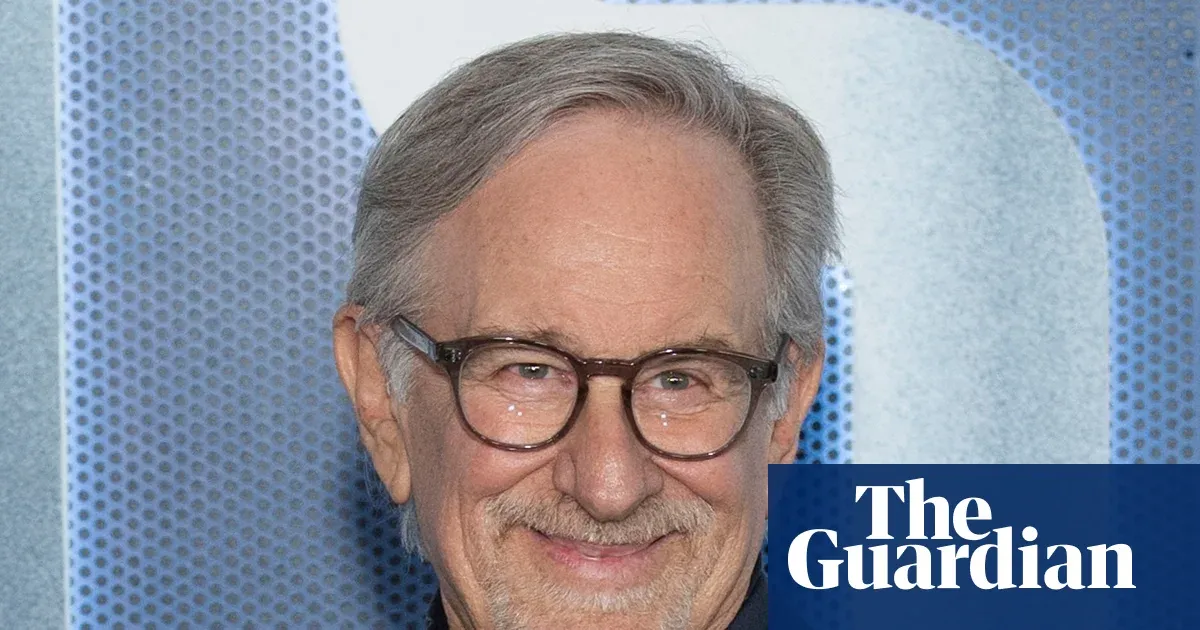
Steven Spielberg says he approached Bond producer Albert “Cubby” Broccoli after Jaws and was rejected twice, before Bond producers moved on. The consequence for decision-makers is a sharper view of how deal leverage and timing can lock out even A-list talent.
Steven Spielberg says he was turned down twice for the chance to direct a James Bond film, and that the producers “now they couldn’t afford me.” The filmmaker told the story on The Rest Is Entertainment podcast when asked if he had any “regrets” about not directing a 007 movie.
According to Spielberg, the first attempt came after Jaws became a major hit. He said he called Albert “Cubby” Broccoli, the Bond producer who worked on every “official” Bond film between Dr No in 1962 and License to Kill in 1989, and volunteered to direct. Spielberg’s description is blunt: he said he would love to direct, Broccoli replied “no,” and then “he moved on.”
The follow-up, Spielberg said, was not some distant maybe years later, but another time he approached the same producer after another major-career turning point. He said he called Cubby Broccoli again after Close Encounters of the Third Kind, only to be knocked back a second time. In other words, this was not a one-off rejection or a vague “not at the moment” handshake. It was a two-shot door close, both times after Spielberg had proven he could deliver mass-audience success.
Why this matters is less about Bond trivia and more about how Hollywood actually prices risk and reputation. Spielberg’s pitch, as he frames it, was simple. After Jaws and after Close Encounters, he believed he could deliver what Bond needed: box-office heft and a mainstream-ready cinematic spectacle. Broccoli’s repeated “no” suggests the producers either had directors in mind, preferred the structure they already had, or did not want to change the creative pipeline that was already working. In business terms, it reads like a veto on creative churn.
And then there is the part Spielberg emphasizes most: the “now they couldn’t afford me” line. That is not just ego. It is a narrative about timing, bargaining power, and what happens when production economics shift. If a studio or producer turns down a filmmaker who is about to become even more bankable, they risk doing exactly what Spielberg implies here. They can preserve continuity in the short term, then discover later that the cost of switching has gone up, often dramatically, because the market has repriced the talent.
For executives, boards, and anyone who oversees creative or capital decisions, the story is a reminder that “afford” is not just about salary. It includes scheduling availability, the opportunity cost of replacing a track record with an unknown, and the downstream effects on budget, marketing plans, and creative control. A producer can be willing to consider a new director when the economics are favorable. But once a filmmaker becomes a global brand, negotiations typically change from “Can you do it?” to “Can we structure this without breaking the deal?” Spielberg’s framing implies the answer eventually became “no.”
The Bond context adds another layer. The franchise, centered on an “official” production line under Broccoli, ran for decades with a consistent producer-led approach. That kind of continuity tends to create internal momentum. When you are confident in the pipeline, you can afford to say “no” to even high-performing outsiders. But continuity also creates inertia. If you do not build in flexibility early, you may end up locked into a creative plan until it either burns out or the talent you declined becomes untouchable.
There is also an incentive dynamic in how these decisions are made. Producers and studios often balance multiple forces at once: franchise strategy, contracted commitments, and the reputational risk of deviating from what has worked. Spielberg’s account suggests that in the mid-stage of his rise, Bond producers chose not to pivot. Then, as his stature grew, the pivot became more expensive. That is the second-order effect managers should notice: early refusals can become later constraints, even if everyone involved was acting rationally at the time.
This story's Key Insights and Take-aways are locked.
Create a free account to unlock Executive Actions for one credit.
Register to UnlockAlways free for Executives Club members. Join the Club
More in Entertainment

Entertainer Russell Brand denies 7 sex charges amid accuser's 'couldn't breathe' claim
The alleged victim's account sharpens the reputational and legal stakes for Brand, his platforms, and any business tied to a public figure under criminal scrutiny.

Russell Brand's accuser 'bewildered and confused' as he denies 7 sex charges
The criminal case against the comedian is a live test of how media companies manage talent risk when serious allegations go public.

'It's a Magic Trick': Ballet Experts Say Rosalía's SNL Pose Is Impossible
Three ballet experts tell Rolling Stone Rosalía's gravity-defying SNL stillness shouldn't be possible - and why the debate is now part of the show.