

Spilt Milk confirms 2026 return after 2025 sold out across Ballarat, Perth, Canberra, Gold Coast
A teaser lands on July 17 with 2026 on the horizon, but dates, locations, and lineup are still missing.

Australia's Spilt Milk festival confirmed its return for 2026 on July 17, launching its next campaign after a months-long post-2025 silence. For executives tracking live events, the signal is clear: when tickets sell across four cities, demand pricing power and planning discipline return.
Spilt Milk is back on the calendar. On Friday, July 17, the festival confirmed it will return in 2026, kicking off its next campaign with a teaser video after months of quiet following last year's sold-out run.
The teaser itself is intentionally lightweight. It shows members of the public being asked to name their favorite Australian music festivals, then cuts to footage of a packed crowd and large-scale stage production. It ends with the same headline you actually care about: Spilt Milk will return in 2026. Organisers still have not announced the dates, locations, or the lineup.
Even with those missing details, this is not a casual update. The confirmation comes right after the 2025 edition, which sold out across all four host cities: Ballarat, Perth, Canberra and the Gold Coast. That matters because it tells you something about the festival market's ability to absorb risk. Live music typically runs on tightly timed decisions, big upfront commitments, and sensitive demand. When an event clears capacity repeatedly, it compresses uncertainty. It also changes how quickly competitors can justify their own schedules, sponsorship packages, and staffing plans.
The stakes get sharper when you look at how Spilt Milk built that momentum. Launched in Canberra in 2016, it grew into one of Australia's largest touring festivals. It expanded to Ballarat and the Gold Coast in 2019, then added Perth in 2023. The 2019 Ballarat event also included Juice WRLD's final live performance, which took place one week before his death. That kind of moment becomes part of the brand's cultural memory, and for organizers it can strengthen emotional attachment, not just marketing reach.
Last year's lineup shows why demand held. It was headlined by Kendrick Lamar and included Doechii, Dominic Fike, Sara Landry, ScHoolboy Q, sombr, Nessa Barrett, Don West and more. Organisers later expanded the bill with Genesis Owusu, Larissa Lambert and Lotte Gallagher ahead of the December run. In other words, Spilt Milk did not just rely on a headline name. It kept feeding the lineup over time, which is often a practical lever when you are trying to keep ticket momentum, social engagement, and partner interest high.
Spilt Milk also telegraphed its own demand pressure before tickets went on sale. Organisers warned that presale registrations exceeded the number of tickets available, and all four events ultimately sold out. That is a strong operational signal. When presales over-subscribe, it can justify keeping supply controlled and avoiding aggressive discounts that would train customers to wait. It also helps forecast revenue with more confidence, which matters for budgeting production costs, artist payments, staging, and local permissions.
The return-to-growth story is also a reminder of the industry's stop-start reality. Like much of Australia's live music sector, Spilt Milk paused during the COVID-19 pandemic before returning in 2022. Organisers skipped the 2024 edition amid a challenging period for the festival market, which also saw several prominent Australian events either cancelled or placed on hiatus. That context is important for decision-makers because it frames why a 2026 confirmation is meaningful now, not later. It suggests planners believe the conditions are sufficiently stable to commit again.
Strategically, Spilt Milk's teaser landing on July 17 with only a 2026 promise is a balancing act. Organisers can build anticipation without committing to dates, locations, or lineup until they are confident. For executives, this is essentially a demand-and-credit check disguised as marketing: the show wants to capture attention early, but it will not over-promise on schedule complexity.
Looking across the Australian live ecosystem, previous editions have featured artists including Post Malone, Lorde, Flume, Khalid, Steve Lacy, Latto, Dom Dolla, FISHER and Peach PRC. That broad roster footprint is part of why the festival can keep expanding. It is also a clue to how Spilt Milk competes: by curating across mainstream and electronic lanes, then leaning on scale when the market rewards it. If Spilt Milk can convert high presale registration into sold-out capacity across four cities, the rest of the sector should take note. The implication for peers is simple: when the right event hits, planning windows reopen fast, partner confidence rises, and everyone starts moving earlier in the cycle to avoid missing demand.
This story's Key Insights and Take-aways are locked.
Create a free account to unlock Executive Actions for one credit.
Register to UnlockAlways free for Executives Club members. Join the Club
More in Business

Uber buys Delivery Hero for nearly $15B, vaulting to top food delivery outside China
The deal doubles Uber's dual-services footprint and pushes a ride-and-eats bundling play into 50 more markets.

Epic and Google drop settlement bid, forcing rival Android app stores by July 22
Google told the court it is ready to carry third-party app stores starting Wednesday, July 22.
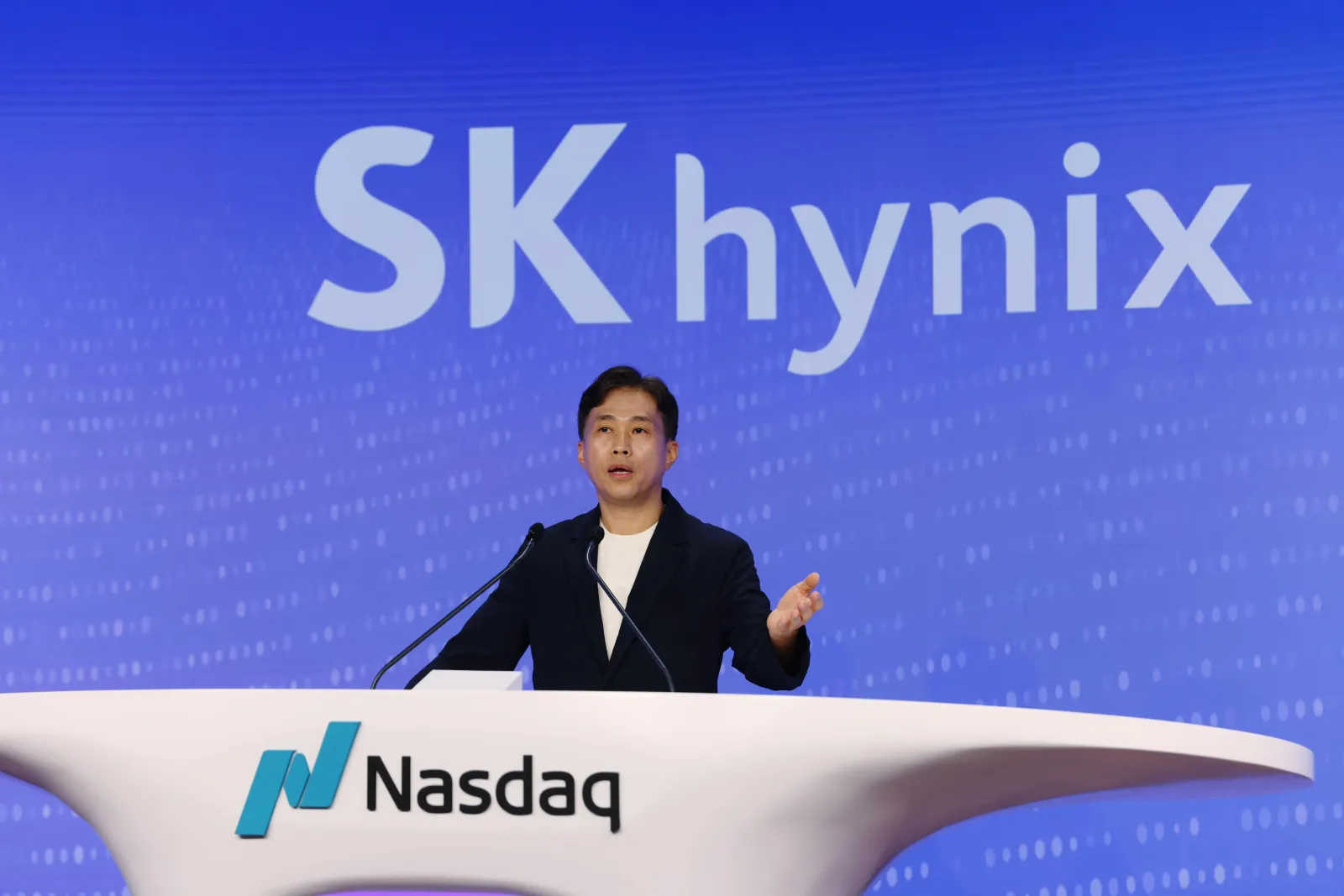
SK Hynix opens at $170, raises $26.5B, and tops foreign IPO records
In Friday's Wall Street debut, SK Hynix turns AI RAM demand into a $26.5B fundraising moment that rewrites comps.