
Sports keeps monetizing fandom, and the multi-billion-dollar machine risks pricing itself out
From streaming stacks to $2,000-plus World Cup seats and luxury stadium makeovers, leagues are squeezing fans harder than ever.
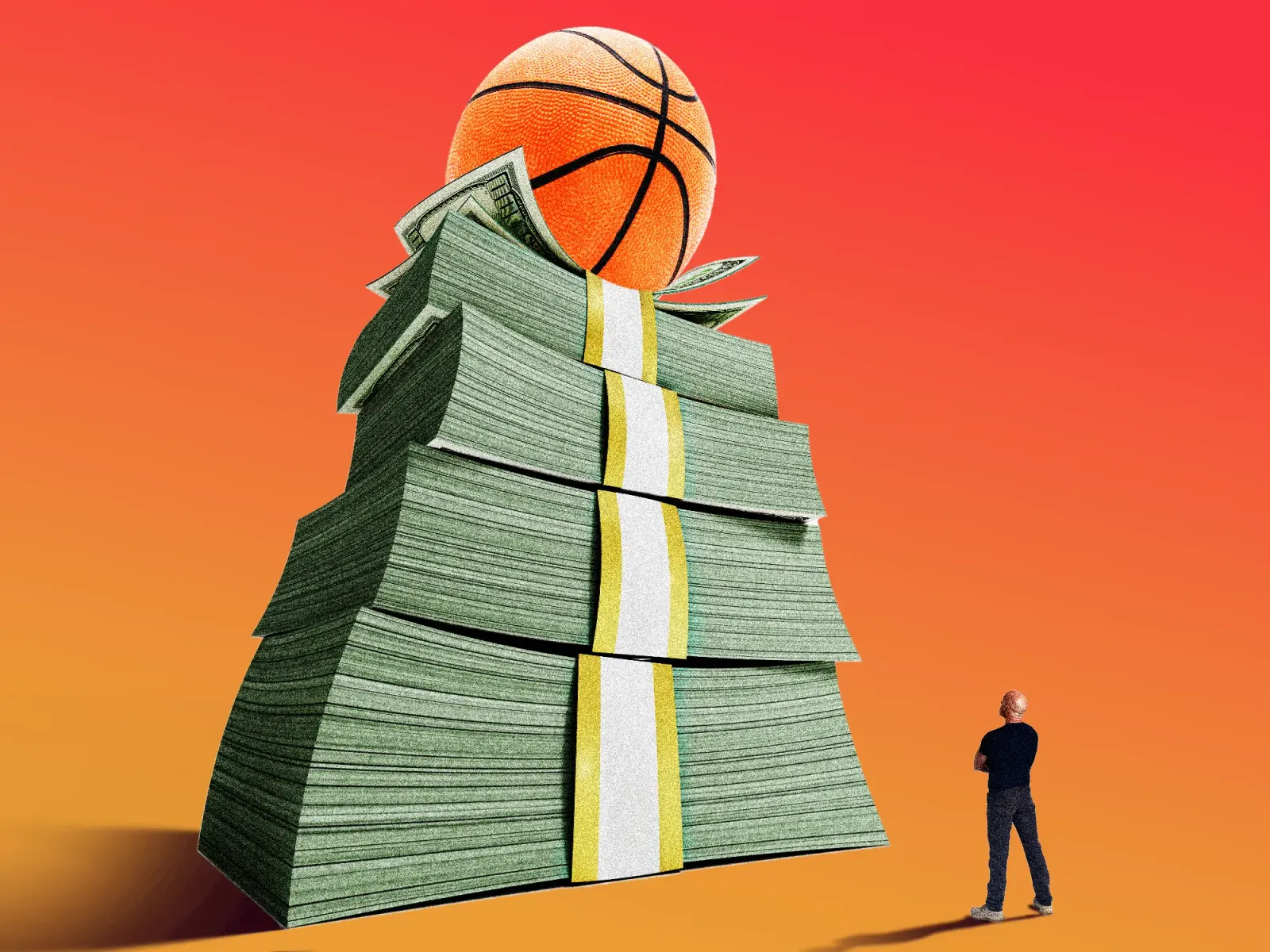
Sports media and ticketing businesses are expanding revenue by bundling streaming rights, raising prices, and redesigning stadiums toward luxury customers. For executives and boards, the consequence is a slow erosion of the fan pipeline that can undermine long-term growth.
Sports are supposed to feel like a shared ritual. You show up, you get nervous, you swear a little, and the whole thing makes you feel alive for a few hours. But the Business Insider report on the current sports economy makes a blunt case: the industry’s growth strategy increasingly runs on pricing out the very fans who made it rich in the first place.
The mechanism is already visible in your monthly and annual budget. Following your favorite teams can turn into a maze of streaming subscriptions, with a pile-up of services needed to watch NFL games. One passage in the piece lists the “dizzying combination” of broadcast television plus cable, Peacock, Netflix, Amazon, Paramount+, and/or YouTube TV. Add it up and you could spend hundreds of dollars just to keep up. And while the league says 87% of its games are available for free on a broadcast network, the un-free 13% still represents a meaningful chunk, especially when the hassle of switching on a game becomes its own kind of tax on normal life.
That tax hits even harder in person. The report points to FIFA World Cup ticket pricing as a high-profile example of backlash. It cites data from SeatPick, which aggregates tickets across secondary markets: while average prices drop as the event gets closer, the average ticket for games was still well above $2,000 in major hubs including New Jersey, Miami, and Mexico City as the tournament was set to begin. This isn’t a once-every-four-years niche either. The piece notes that the nosebleeds at Madison Square Garden for the NBA Finals cost thousands of dollars. Supply and demand explain some of it, especially when a team reaches the finals in the richest city in the US for the first time in over 25 years, but the practical effect is what matters: ordinary fans feel locked out.
Now add the built environment. Across leagues, teams are redesigning stadiums to prioritize luxury suites, premium clubs, and high-end hospitality experiences for wealthy fans and corporate customers. The report connects that to public funding in the US: stadiums are funded in significant part by public tax dollars, so facilities can become more elaborate than in Europe, where teams typically pay for the whole thing themselves and are therefore more budget-conscious. The piece quotes Andrew Zimbalist, a professor emeritus of economics at Smith College and author of multiple books on business and sports, describing the incentive clearly: “If you get the city to pay for it, then the sky's the limit.” In that framing, ticket prices rise because the stadium changes into a luxury venue rather than a normal one.
From the league perspective, the model looks functional today. The report says it’s generally working out, in part because when “30-plus owners” sit in a room, they tend to align on one shared priority: making more money. It also notes that owners and sports executives have long been wary about pushing fans too far and potentially “shooting themselves in the foot,” but for now they don’t see evidence that it’s hurting fandom. The report brings in John Ourand, a sports correspondent at Puck, who says TV ratings are largely up, attendance is fine, and the pricey World Cup seats will ultimately get filled. Ourand also offers a belief behind the strategy: ticket prices may have been too low historically, and fans will continue showing up.
Media rights may be reinforcing that confidence. The report explains how the broadcasting ecosystem benefits both networks and streamers: traditional networks get lifelines for an otherwise dying business, while streamers use sports to pull users in, with the hope they will then discover other content or simply forget to cancel. Victor Matheson, a sports economist at Holy Cross, is cited describing how the NFL revolutionized marketing media rights with a deal with Fox in the 1990s, wrestling games away from the “Big Three” of CBS, ABC, and NBC. The report includes Matheson’s point that Fox effectively treated football like a loss leader, overpaying for the NFL even if it could not recoup through NFL-game advertising directly, because it would make the network “add Fox” to consumers and then sell ads around shows like “The Simpsons” and “The X-Files.” Ourand adds that having many media deals can offset alienating some fans by scattering rights across big companies. Instead of “cutting people out,” he argues, there are multiple big marketers involved, which can paradoxically help casual fans see the games “a little bit more often.”
But here is the strategic risk the piece wants executives to sit with: sports leagues are moving from a decades-long, widely available model toward a quicker cash-in approach that depends on squeezing every dollar out of current fans. The report warns that fandom is unlikely to collapse all at once, yet the slow erosion matters. By wringing out more money from existing audiences, leagues risk chipping away at their bases and sacrificing long-term health. Pricing out current fans also threatens the pipeline: fewer casual fans may become die-hards, and the casual-interest-to-die-hard pipeline could dry up.
The report uses boxing as a cautionary tale. It notes that a century ago boxing was one of the great three American sports alongside horse racing and baseball, and by the 1970s Muhammad Ali was arguably the most famous athlete in the world. Then boxing shifted to a pay-per-view model. Matheson is quoted in the piece with the blunt lesson: “All of a sudden, there were no fans of boxing anymore, and no one would claim that boxing is one of the big sports.” The implication is not that the NFL or other leagues will meet the same fate immediately, but that tightening monetization can eventually break the habit loop that keeps audiences coming back.
For executives and boards, the question becomes how long “fine for now” can remain true while the incentives push the industry toward greater extraction. The report argues that even if the NFL seems too big to fail because it has saturated the US market and is looking internationally for growth, that status may not be permanent. Some casual fans may grow tired of the rigamarole of tuning in, or get so frustrated by high ticket prices that they stop attending live games. The industry has been rewarded for maximizing short-term revenue, but the long-term stake is whether sports still feels like a mass cultural event or slowly turns into a product only the affluent and the financially patient can access. That is the strategic bet embedded in streaming stacks, luxury stadiums, and premium pricing.
This story's Key Insights and Take-aways are locked.
Create a free account to unlock Executive Actions for one credit.
Register to UnlockAlways free for Executives Club members. Join the Club
More in Business
SpaceX IPO: Wedbush calls a Tesla merger “holy grail,” Morningstar pegs $63 fair value
Trading starts June 12 at $135, but analysts are split over a $72-per-share “option premium” on orbital AI dreams.

Razer CEO Min-Liang Tan: AI mega-listings are 'just the start' before IPO wave
Min-Liang Tan says blockbuster AI IPOs are likely the opening act. Here is what that means for capital, governance, and timing.
UK Treasury delays decision on £1.7B Matrix ERP program until December
Workday finance and HR rollout slips again, and HMT may decide whether to join cloud-based shared services.